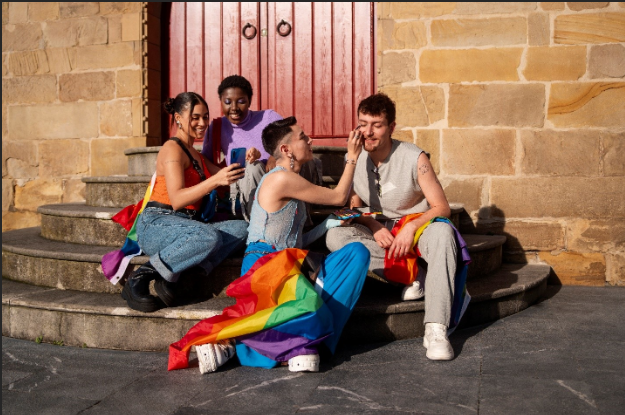
Pride streetwear grew from more than fashion trends. It reflects how identity, culture, and community visibility moved into everyday style. Instead of limiting Pride expression to parades or special events, streetwear made it wearable in daily spaces through hoodies, graphic tees, bold typography, symbolic colors, and relaxed silhouettes.
What makes pride streetwear powerful is its connection to lived experience. It gives people a way to show belonging, resistance, joy, and self-expression without needing a formal statement. The look is shaped by community voices, cultural history, and the desire to be seen naturally, not only during Pride Month.
Key Takeaways
- Pride streetwear turned identity into everyday style, not just event-based fashion.
- Culture shaped the look through music, art, activism, and community visibility.
- Bold graphics work best when they carry meaning, not just decoration.
- Streetwear makes self-expression feel casual, wearable, and confident.
- Community influence keeps the style authentic instead of trend-driven.
- The strongest looks balance comfort, symbolism, and personal identity.
How Pride Streetwear Rose Over Time
-
Early Queer Identity and Coded Expression
Before pride streetwear became visible, queer expression often relied on quiet signals. In the 1950s and 1960s, clothing choices, grooming, accessories, and silhouettes helped LGBTQ+ people recognize one another while navigating social pressure and legal risk. This history shaped the roots of subtle pride apparel, where meaning could exist without being openly explained.
-
Stonewall and the Shift to Visible Identity
The 1969 Stonewall uprising changed how queer identity appeared in public spaces. Clothing moved from coded communication to a visible statement. Denim, leather, handmade shirts, protest slogans, pins, and patches became part of showing up with identity intact. This period helped form the early language of pride streetwear: practical, expressive, and connected to public visibility.
-
Activism, Nightlife, and the 1970s to 1980s
In the 1970s and 1980s, queer style expanded through nightlife, drag, leather culture, disco, and activism. During the AIDS crisis, fashion became more urgent and political. Bold graphics, protest text, buttons, and symbols turned clothing into tools of grief, resistance, and solidarity. Clothing pride accessories became small but powerful markers of identity and support.
-
Streetwear Influence in the 1990s And 2000s
By the 1990s and 2000s, streetwear brought oversized silhouettes, graphic tees, sneakers, skate influence, and hip-hop style into everyday fashion. LGBTQ+ spaces such as ballroom, nightlife, drag, and independent art shaped the look with attitude and community depth. Designs tied to hometown pride also became meaningful because identity was connected to local spaces, chosen family, and belonging.
-
Mainstream Recognition in the 2010s
In the 2010s, queer-owned brands, independent designers, and social media helped push pride streetwear into wider visibility. Larger brands also entered the space, which raised questions about authenticity. People began looking beyond rainbow graphics and asking whether brands supported the community in real ways.
-
Modern Pride Streetwear and Authentic Support
Today, Pride fashion is strongest when it feels rooted in culture, not seasonal marketing. Even an Ally shirt carries more meaning when it reflects real support, awareness, and respect. Modern Pride streetwear works because it blends identity, comfort, visibility, and community impact into clothing people can wear beyond Pride Month.
How Community and Culture Shaped the Look
Pride streetwear grew from places where LGBTQ+ people could gather, create, and feel seen. Community centers, clubs, drag venues, marches, queer bookstores, protests, and music spaces shaped the look because they gave people room to experiment with identity through clothing.
The style became powerful because it was never fixed. People mixed oversized fits, sportswear, workwear, glitter, makeup, patches, and bold graphics to express different sides of themselves. This is where subtle pride apparel also gained meaning, because small details like pins, color accents, or coded symbols allowed people to show identity with control.
Local culture also influenced the look. Designs tied to hometown pride connected fashion with specific neighborhoods, safe spaces, and chosen communities. Ballroom and drag culture added confidence, especially through silhouette, attitude, color, and performance-inspired styling.
Shared fashion also mattered. Clothing pride accessories like patches, caps, badges, and bags helped people personalize outfits while staying connected to the community.
At its core, pride streetwear became strong because it was built through real spaces, real people, and lived experience.
Bottom of Form
Conclusion
The rise of pride streetwear began with visibility, protest, and the need to express identity in public. Over time, it was shaped by major historical moments, from Stonewall to AIDS activism to ballroom culture and digital-era queer design. The community looked at its flexibility, confidence, and shared meaning. Culture gave it its symbols, its message, and its emotional depth.
That is why pride streetwear continues to matter. It is not only about style. It is about history made wearable.
FAQs
What is Pride streetwear?
Pride streetwear is a style shaped by LGBTQ+ identity, visibility, activism, and community culture. It blends casual streetwear elements with symbols, colors, graphics, and styling choices connected to Pride and queer expression.
Why is Stonewall important to Pride fashion?
Stonewall marked a shift toward open resistance and public identity, helping subtle pride apparel evolve from coded signals into more visible expressions of identity and protest.
How did ballroom culture influence Pride streetwear?
Ballroom culture shaped confidence, presentation, gender expression, and bold visual styling, giving pride streetwear more attitude, movement, and creative freedom.
Is Pride streetwear only about rainbow clothing?
No. Clothing pride accessories like patches, pins, bags, and badges also carry meaning through activist graphics, identity symbols, protest influence, and community storytelling.
Why do people care about authenticity in Pride streetwear?
Authenticity matters because people want fashion rooted in real LGBTQ+ culture, hometown pride, history, and support rather than seasonal branding.
Can allies be part of Pride fashion respectfully?
Yes, an Ally shirt can show respectful support when it reflects awareness, consistency, and solidarity without taking attention away from LGBTQ+ voices.
Top of Form
Bottom of Form