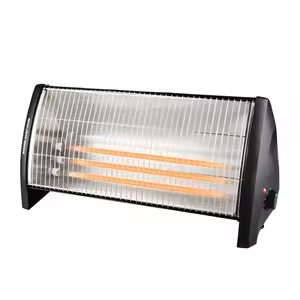
Electric radiant heater operates by emitting infrared radiation, a form of heat that directly warms objects and surfaces rather than the surrounding air. This method mimics natural heat sources like the sun, providing a sense of comfort and efficiency in various environments. The design of radiant electric heaters makes them suitable for diverse applications, including homes, offices, and industrial spaces. They deliver focused warmth to specific areas, making them especially effective in spaces with high ceilings or poor insulation. The absence of air circulation during operation reduces the spread of dust and allergens, enhancing indoor air quality. This feature makes them a practical choice for individuals seeking a healthier heating solution. Their simplicity and efficiency contribute to their popularity, offering a straightforward and effective way to maintain warmth in cold conditions.
Mechanism of Radiant Electric Heaters
Radiant electric heaters operate by converting electrical energy into infrared radiation. This process begins when electricity flows through a heating element, which is commonly made from materials like metal or ceramic. As the element heats up, it emits infrared rays that travel through the air and are absorbed by objects or surfaces within their path. These objects then warm up, creating a consistent and direct source of heat.
This method of heating does not rely on warming the air, which allows radiant electric heaters to deliver targeted warmth with minimal energy loss. The absence of moving parts, such as fans, further enhances efficiency by reducing mechanical energy expenditure. Additionally, the ability to focus heat directly onto specific areas ensures that warmth is delivered where it is needed most, making these heaters an energy-efficient choice for a range of applications.
Benefits of Radiant Electric Heaters
Radiant electric heaters provide direct heat by warming objects and surfaces, minimising energy waste. This efficiency translates into reduced electricity consumption, offering a cost-effective heating solution. Their design often includes adjustable settings, allowing for precise temperature control, which further contributes to energy savings.
Health benefits are another advantage, as these heaters operate without circulating air. This reduces the spread of dust and allergens, making them a practical choice for improving indoor air quality. Additionally, their silent operation enhances comfort in both residential and professional spaces.
Safety features are commonly incorporated, such as automatic shut-off mechanisms and overheat protection, ensuring secure usage. The absence of combustion processes eliminates risks associated with gas emissions or leaks. With enclosed heating elements, these heaters reduce the likelihood of accidental burns, making them suitable for environments with children or pets.
Installation Considerations
Proper placement is key to maximising the efficiency of radiant electric heaters. Positioning the unit at an appropriate height and angle ensures optimal heat distribution. Wall-mounted models are ideal for saving floor space and can be strategically installed to focus heat on specific areas. Freestanding designs offer flexibility, allowing them to be relocated to suit different layouts or needs.
Most radiant electric heaters are designed for straightforward installation, often requiring only a standard electrical outlet. Wall-mounted units may involve securing brackets or other basic hardware, which can be completed with minimal tools. It is important to follow manufacturer guidelines to ensure safe and efficient operation.
Clearances around the heater should be maintained to prevent obstruction and allow for effective heat output. Attention to these factors ensures the heater performs reliably while maintaining safety within the space.
Applications in Residential Settings
Radiant electric heaters are well-suited to residential environments, offering targeted warmth for specific areas. They are particularly effective in living rooms, where consistent heat can create a comfortable and inviting atmosphere. Their ability to operate silently ensures they do not disrupt daily activities, making them an unobtrusive choice for family spaces.
Bathrooms are another setting where these heaters excel. Their rapid heating capability provides quick warmth during colder months, enhancing comfort. Wall-mounted models are particularly advantageous in bathrooms, as they save space while ensuring safety by keeping the unit away from water sources.
Additionally, radiant electric heaters are useful in home offices or study areas, where focused heat can create a productive and comfortable environment. Their energy-efficient operation helps maintain warmth in frequently used spaces without excessive energy consumption, aligning with modern household needs.
Applications in Commercial Settings
Radiant electric heaters offer effective heating solutions for various commercial environments, catering to the specific needs of different industries. In retail spaces, these heaters create a warm and welcoming atmosphere for customers while maintaining energy efficiency by focusing heat on occupied areas. Their silent operation ensures they blend seamlessly into the shopping experience.
Industrial settings, such as warehouses or workshops, benefit from their ability to provide direct and consistent warmth. By targeting specific zones rather than heating the entire space, these heaters enhance comfort for employees while reducing overall energy consumption.
In hospitality settings, such as restaurants or cafés, radiant electric heaters can be strategically positioned to ensure diners remain comfortable, particularly in outdoor or semi-outdoor seating areas. Their precise heat delivery and minimal maintenance requirements make them a practical choice for enhancing guest satisfaction without incurring excessive operational costs.
Environmental Impact of Electric Radiant Heater
An electric radiant heater is recognised for its energy efficiency, as they directly transfer heat to objects and surfaces without significant energy loss. This targeted approach reduces electricity usage compared to conventional heating methods, aligning with efforts to conserve resources and lower emissions.
Their compatibility with renewable energy sources, such as solar or wind-generated electricity, further enhances their sustainability credentials. The minimal maintenance requirements and durable design also contribute to reduced environmental impact, as fewer replacements and repairs generate less waste.
Additionally, these heaters do not produce by-products like carbon monoxide or other pollutants, ensuring clean operation indoors. This environmentally conscious heating solution supports modern demands for reducing ecological footprints while maintaining comfortable indoor conditions.
Comparing Radiant and Convection Heaters
Radiant and convection heaters differ significantly in their heating methods and efficiency. Radiant heaters transfer heat directly to objects and surfaces through infrared radiation, ensuring minimal energy loss. This focused warmth makes them particularly effective in spaces with high ceilings or poor insulation, where convection heaters may struggle.
Convection heaters rely on circulating warm air, which can result in uneven heat distribution and greater energy consumption in larger or draughty spaces. Radiant heaters, by contrast, provide consistent and targeted heat without relying on air movement. Additionally, convection heaters may create temperature fluctuations as heated air rises and cool air sinks, whereas radiant heaters maintain steady warmth by directly heating their surroundings. These distinctions highlight their respective advantages in specific environments.
Maintenance and Care
Regular upkeep is essential to ensure the efficiency and longevity of radiant electric heaters. Dust and dirt can accumulate on the heating element or protective grille over time, potentially hindering performance. Gently cleaning these areas with a soft, dry cloth helps maintain optimal functionality.
Periodic inspections of electrical connections are recommended to identify any signs of wear or loose components. Addressing minor issues promptly reduces the risk of faults developing. Keeping the unit free from obstructions also enhances heat output and prevents potential overheating.
While these heaters generally require minimal maintenance, adhering to manufacturer guidelines and performing routine checks contribute to consistent performance and safety. These practices help preserve the heater’s reliability in providing effective warmth for extended periods.
Choosing the Right Radiant Electric Heater
Selecting an appropriate radiant electric heater involves evaluating several critical factors to ensure optimal performance. The size of the space plays a significant role, as larger rooms may necessitate models with higher wattage or output. Assessing the heater’s design is equally important, with wall-mounted or freestanding options catering to different spatial requirements.
Features such as adjustable heat settings, programmable timers, and remote controls can enhance functionality and energy efficiency. Safety measures, including overheat protection and automatic shut-off mechanisms, provide added reassurance during operation. Additionally, the material and build quality of the heater should be considered for durability. Careful analysis of these factors ensures a tailored solution suited to specific heating demands and environmental conditions.
Energy Consumption and Costs
Managing energy consumption is essential for optimising the efficiency of radiant electric heaters. These heaters utilise infrared technology to provide direct warmth, reducing wasted energy compared to traditional heating methods. Features such as timers and thermostats can help control operation duration and temperature, preventing unnecessary energy use.
Ensuring proper placement within the space maximises heating efficiency by targeting specific areas. Additionally, maintaining adequate insulation in the environment minimises heat loss, enhancing overall performance. By focusing on these factors, radiant electric heaters can deliver cost-effective heating while maintaining consistent comfort levels in various settings.
Safety Measures for Radiant Electric Heaters
To ensure safe operation, radiant electric heaters should be positioned on a stable, heat-resistant surface or securely mounted according to manufacturer guidelines. Adequate ventilation around the unit is essential to prevent overheating and allow efficient heat dispersion. Avoid placing objects too close to the heater to minimise fire risks.
Inspecting the power cord regularly for signs of damage is crucial, as compromised wiring can pose electrical hazards. Many models include safety features such as tilt switches and thermal cut-offs, which enhance operational security. Regularly checking these mechanisms ensures continued functionality and contributes to maintaining a secure heating environment.
Conclusion
Electric radiant heater offers a highly efficient, targeted heating solution by utilising infrared radiation to warm objects and surfaces directly rather than heating surrounding air. Their silent operation, rapid warmth delivery, and absence of air circulation make them ideal for residential, commercial, and industrial spaces alike, improving indoor air quality while reducing energy waste. By incorporating advanced safety mechanisms and compatibility with renewable electricity sources, these versatile heaters align perfectly with modern sustainable living goals. Investing in a quality radiant heater ensures dependable comfort, cost-effective performance, and reliable warmth across diverse environments throughout Australia.
FAQs
How does electric radiant heater differ from traditional convection heaters?
Electric radiant heater emits infrared radiation to warm people and objects directly, whereas convection heaters rely on heating and circulating air. This direct infrared transfer prevents energy waste in spaces with high ceilings or draughts, providing immediate, focused warmth without stirring up dust or allergens across Australian homes.
Are radiant electric heaters safe to use around children and pets?
Yes, modern radiant electric heaters incorporate robust safety features including automatic tilt switches, thermal cut-off protection, and cool-touch housings. Because they operate without combustion or exposed flames, they eliminate gas leak risks, making them exceptionally secure for residential living areas with children and pets.
Do radiant electric heaters improve indoor air quality?
Radiant electric heaters do not use fans or forced air circulation, which prevents the distribution of dust, pet dander, and other airborne allergens. This lack of air movement maintains a cleaner indoor environment, making them an excellent choice for individuals with asthma or respiratory sensitivities.
Where should I place a radiant electric heater for maximum efficiency?
For optimal efficiency, position your radiant heater where its infrared rays can directly strike occupants or frequently used zones rather than empty space. Wall-mounted units installed at appropriate heights or portable units placed nearby ensure targeted warmth with minimal heat loss in rooms.
Are radiant electric heaters energy efficient for large spaces?
Radiant electric heaters are highly efficient for targeted zoning in large spaces because they warm objects directly rather than heating the entire volume of air. This focused delivery prevents unnecessary energy consumption, making them a cost-effective choice for large workshops, warehouses, and open-plan living areas.
| Related Business Listings |
| Contact Directory |
| Local Business Profiles |