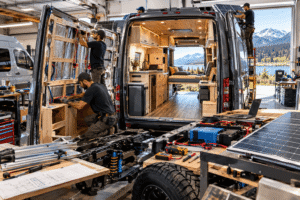
A few years ago, a plain cargo van was just a work vehicle. Today, that same van might be someone’s weekend cabin, a mobile coffee shop, or a full-time home. The rise of van conversions across the United States has turned ordinary vans into creative, personal spaces built for life on the road.
The idea is simple. You take an empty van and transform it into something useful. But the process behind a good build is anything but simple, and it pays to understand what really goes into one before you start.
What Goes Into a Van Build
At its core, a conversion is about using limited space wisely. Builders map out where the bed, kitchen, storage, and seating will go long before any tools come out. Good planning prevents wasted room and costly mistakes later.
Electrical systems usually come next. Solar panels, batteries, and wiring let people power lights, fridges, and devices off-grid. Insulation and ventilation follow, keeping the interior comfortable through both hot summers and cold nights.
Then there’s the structural side, which many first-timers overlook. Adding heavy gear, roof decks, or extra seating can change how a van handles weight. In some builds, frame modifications become necessary to support the added load safely and keep the vehicle road-legal.
Why People Take This Route
The appeal is easy to see. A well-planned conversion offers freedom to travel without hotel costs and the flexibility to work from almost anywhere. For many across the United States, it’s a cheaper path to adventure than buying a dedicated RV.
Customization is another big draw. No two builds look alike, so owners get a space that fits their exact needs. A photographer might prioritize gear storage, while a couple might focus on a comfortable bed and a small kitchen.
There’s also long-term value. A thoughtful build, done with quality materials and proper safety work, tends to hold up better and can even improve resale appeal.
Real-World Scenarios
Consider a remote worker who spends three months touring national parks. Their van needs reliable power, a desk nook, and strong insulation. These priorities shape every design choice.
Now picture a small business owner converting a van into a mobile pet-grooming unit. Here, plumbing, water storage, and a reinforced floor matter far more than a cozy bed. The same base vehicle, two completely different outcomes.
Heavier commercial builds often raise safety questions. When owners add significant weight or custom equipment, shops may recommend frame modifications and professional inspections before the van hits the highway.
Getting It Done Right
Not every project belongs in a home garage. Electrical work, gas lines, and structural changes carry real safety stakes, which is why many people turn to experienced professionals for the technical parts of a build.
Automotive specialists like Hudson Automotive Repair & Service are among the shops that handle this kind of structural and mechanical work, helping owners confirm their vans are safe and ready for the road. Mixing DIY creativity with expert help often produces the best results.
Across the United States, demand for skilled conversion work keeps growing as more drivers embrace mobile living. Whether the goal is travel, business, or a simpler lifestyle, a smart approach to van conversions starts with good planning and sound safety choices.
Frequently Asked Questions
How much does a van conversion cost?
Costs vary widely based on materials and features. Simple builds can run a few thousand dollars, while full custom conversions with solar, plumbing, and insulation often reach much higher figures.
Do van conversions need special permits?
It depends on the state and the changes made. Structural work or added seating may require inspections, so checking local rules before starting is always wise.
Are frame modifications necessary for every build?
No. Most lightweight interior builds don’t need them. They typically come up only when heavy equipment, roof additions, or extra load capacity are involved.
How long does a conversion take?
A basic build might take a few weekends, while a detailed full-time setup can take several months, especially when electrical and structural work are included.
Can a converted van still be used daily?
Yes. Many owners drive their vans regularly. Proper weight distribution and quality workmanship help keep the vehicle safe and practical for everyday use.