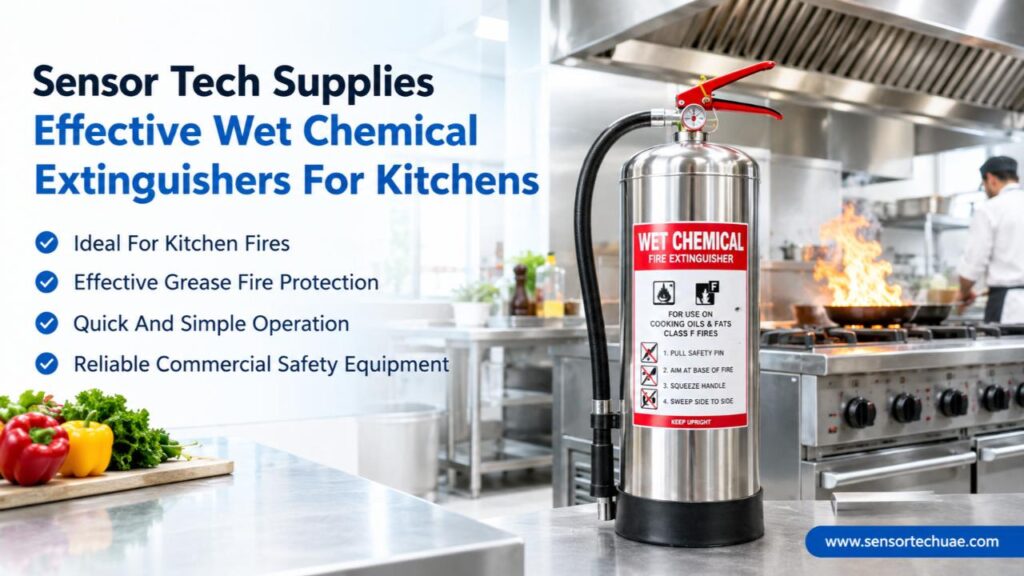
When it comes to keeping spaces safe from fire risks, Wet Chemical Extinguishers stand out as one of the most effective tools available for modern hazards. These specialized units were engineered to tackle high-temperature fires that ordinary water or foam units simply cannot put out. Understanding how a Wet Chemical Extinguisher works gives you peace of mind whether you manage a bustling restaurant or want to upgrade your home protection.
Why Specialized Fire Safety Matters in Modern Kitchens
Fire safety is never a one-size-fits-all scenario. Different types of fuel burn in distinct ways, meaning an extinguisher that works on wood or paper could cause a massive explosion if sprayed onto hot cooking oil. Standard liquid units sink to the bottom of hot oil and turn into steam instantly, flinging burning liquid across the room.
That is where specialized extinguishing materials come into play. When cooking oils reach their flashpoint, they retain an enormous amount of heat. Extinguishers designed specifically for these environments use an aqueous solution that reacts chemically with the hot fats, creating a thick, soapy blanket over the flame. This process cools the liquid and cuts off the oxygen supply simultaneously, preventing re-ignition.
Key Applications of Cooking Safety Solutions
Cooking areas are the prime environment where these units excel, but their utility spans several specific settings across commercial and domestic properties:
-
Commercial Kitchens and Restaurants: High-volume deep fryers, open-top griddles, and commercial wok ranges use massive quantities of oil that stay hot for long periods.
-
Food Processing Facilities: Industrial plants that fry or pre-cook foods require large-capacity safety systems designed for high-fat fire risks.
-
Residential Kitchens: Home cooks using deep fat fryers or heavy oil frying benefit greatly from compact kitchen-rated units.
-
Bakery and Pastry Operations: Facilities using large vats of melted butter, lard, or vegetable shortening need reliable coverage against liquid grease hazards.
Having the right unit nearby allows kitchen staff to act fast during a flare-up, keeping a minor cooking mistake from turning into a major catastrophe.
Essential Features That Deliver High Performance
Understanding what makes these safety units effective helps you pick the right equipment for your space. These devices rely on a process called saponification, turning burning fats into non-combustible soap.
Fast Cooling Action
Unlike dry chemical powder, which leaves hot oil susceptible to reigniting once the powder settles, wet chemical formulas absorb thermal energy rapidly. They cool the fuel source below its auto-ignition temperature so the fire stays out for good.
Gentle Spray Pattern
High-pressure streams can splash hot burning oil everywhere, spreading the flames instantly. These specialized devices feature a soft-discharge wand or misting nozzle that gently deposits the foam layer onto the burning liquid without causing splattering.
Easy Cleanup Properties
While dry powder leaves an abrasive dust that ruins electrical equipment and HVAC ducts, wet chemical foam remains contained near the fire zone. Once the area cools down, the residue can be wiped away with soap and water.
Using a class k fire extinguisher in your commercial kitchen ensures full compliance with local safety codes and provides targeted protection against high-heat grease risks.
Proper Maintenance and Usage Essentials
Having top-quality equipment is only half the battle; knowing how to care for and operate it matters just as much.
First, ensure everyone on your team knows the basic discharge technique. Aim the nozzle from a safe distance, sweep gently across the burning surface, and allow the foam layer to build completely over the oil. Never turn your back on a cooking fire until you are certain the heat has dissipated entirely.
Second, schedule routine visual inspections every month. Check that the pressure gauge needle sits firmly in the green zone, verify the safety pull-pin is locked in place, and inspect the hose for cracking or blockage. Professional annual servicing is essential to guarantee the chemical mixture inside remains active and ready for immediate deployment.
Conclusion
Fire safety technology continues to evolve, but having specialized protection tailored to specific hazard types remains the best way to safeguard lives and property. Whether you are running a high-volume commercial kitchen or looking to secure your home setup, choosing the right suppression system makes all the difference. For reliable, industry-certified safety solutions designed to keep your premises secure, rely on Sensor Tech to protect what matters most.