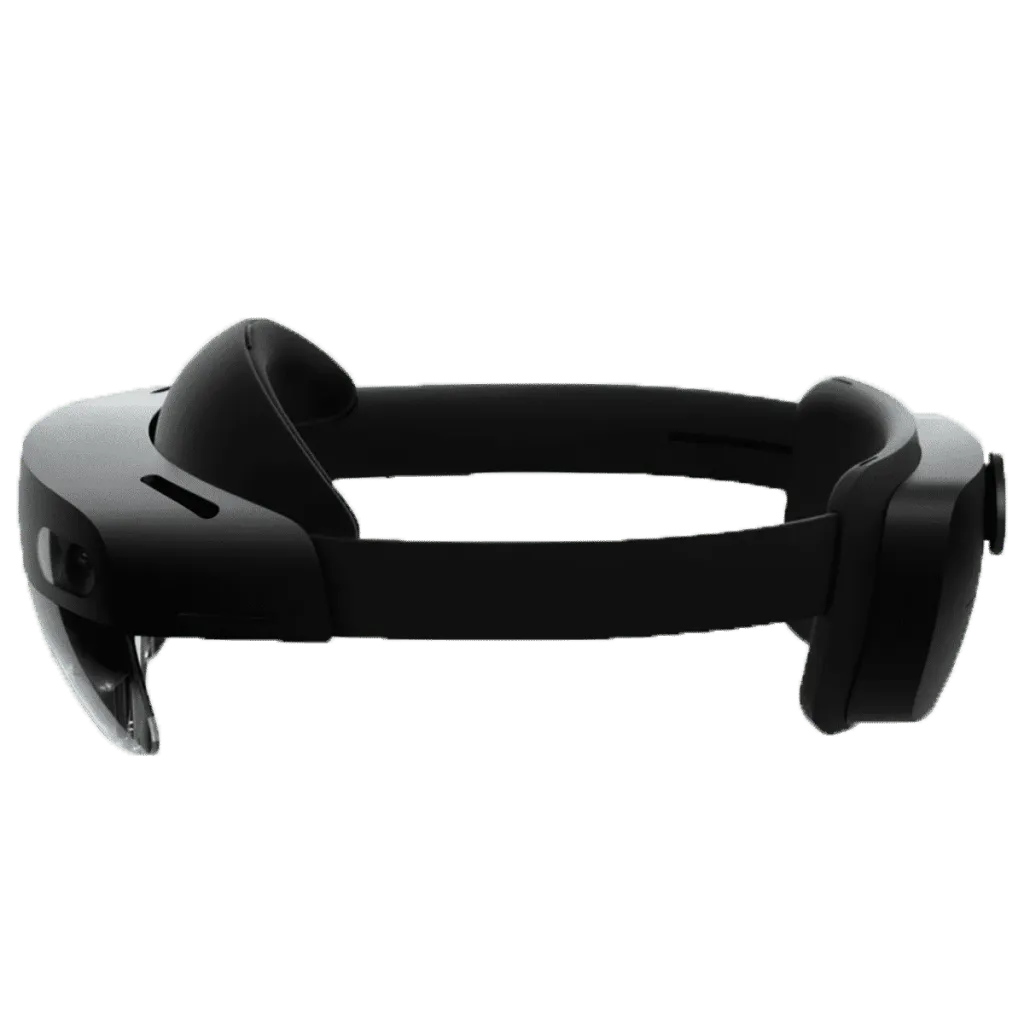
When Microsoft released HoloLens 2, it did something that most consumer tech companies do not do: it designed two distinct versions of the same device for two fundamentally different working environments. On the surface, the Commercial and Industrial editions share the same core technology. But the differences between them are not cosmetic. They reflect entirely different risk profiles, regulatory requirements, and operational contexts.
For procurement teams evaluating which version to deploy, the choice is not simply about budget or preference. It is about matching the device to the specific demands of the environment in which it will be used. Getting that wrong is costly and, in some cases, potentially dangerous.
The Commercial Edition: What It Is Built For
HoloLens 2, in its standard Commercial Edition, is designed for enterprise use across a wide range of professional environments. Office settings, clinical training facilities, university labs, manufacturing floors without hazardous materials, and retail or service contexts all fall within its operating parameters.
The device runs Windows Holographic OS, supports enterprise security features including Azure Active Directory integration, and works with Microsoft Dynamics 365 applications and a wide ecosystem of third-party enterprise software. It is self-contained, requiring no connected PC, and offers the full suite of hand and eye tracking capabilities that make it the dominant platform for industrial mixed reality work.
For most enterprise deployments, the Commercial Edition is the appropriate choice. It handles demanding use cases well, and the software ecosystem built around it is mature and well-supported.
The Industrial Edition: What Changes and Why
The HoloLens 2 Industrial Edition is the same core device, but with a significantly modified hardware shell designed to operate safely in environments where flammable gases, vapours, or dust may be present. It carries ATEX Zone 1 certification and UL Class I, Division 2 certification, which are the regulatory standards required for equipment used in potentially explosive atmospheres.
Industries where this matters include oil and gas extraction, chemical processing, offshore operations, certain pharmaceutical manufacturing environments, and utilities. In these settings, standard electronic devices are a genuine safety risk, and uncertified equipment cannot legally or safely be used. The Industrial Edition removes that barrier.
The physical changes include an upgraded enclosure that contains and manages any electrical discharge risk, an ultraviolet-resistant visor, and an antimicrobial hard hat integration that meets safety requirements for many heavy industrial sites. The device also has an IP54 rating for dust and water resistance, making it more suited to outdoor and harsh indoor conditions.
A Side-by-Side Look at the Key Differences
To make the distinction concrete, here are the practical differences between the two editions:
- Safety certification – Industrial Edition carries ATEX Zone 1 and UL Class I Div 2; Commercial Edition does not have hazardous area certification.
- Visor material – Industrial Edition uses a UV-stabilised visor for durability in outdoor and harsh light environments.
- Hard hat compatibility – Industrial Edition integrates with standard safety helmets; Commercial Edition does not.
- Antimicrobial treatment – Industrial Edition includes antimicrobial surface treatment, which is relevant in some healthcare and laboratory contexts as well.
- IP rating – The Industrial Edition carries IP54 protection against dust and water ingress; the Commercial Edition has lower environmental protection.
- Price – Industrial Edition commands a higher price point reflecting its enhanced hardware and certification requirements.
Choosing the Right Edition for Your Deployment
The decision comes down to one core question: where will this device be used, and what are the regulatory and safety requirements of that environment?
If the answer involves any environment classified as hazardous under ATEX or NEC standards, the Industrial Edition is not optional. It is the only compliant choice. Using uncertified equipment in those environments is not just a procurement misstep; it is a regulatory and safety violation.
If the deployment is in a standard office, hospital, training centre, or commercial facility, the Commercial Edition is the right call. It costs less, is widely available, and delivers the full HoloLens 2 capability set without the additional hardware overhead that the Industrial version adds.
Availability and Sourcing
The Industrial Edition is harder to source than the Commercial Edition due to lower production volumes and more controlled distribution. For organisations that need it, this means going beyond standard retail or brand channels. A specialist mixed reality headset supplier with a global sourcing network is often the most reliable route to consistent availability.
XR Depot stocks both editions and operates through a global supply network that allows it to locate devices when regional availability is limited. For organisations running deployments in hazardous environments that need to maintain fleet consistency over time, having a specialist supplier on hand is a practical necessity rather than a preference.
Software and Ecosystem: No Difference
One point worth clarifying: despite the physical differences, both editions run identical software. The same Windows Holographic OS, the same enterprise management capabilities, the same application ecosystem, and the same Microsoft Dynamics 365 integrations are available on both versions. Switching between editions does not require changes to software infrastructure or application development.
This matters for organisations that need to run mixed fleets across different facility types. A deployment that includes both a standard office environment and a certified hazardous area can use the same software platform, same management tools, and same training materials across both device variants.
FAQ
1. Is the Industrial Edition significantly heavier than the Commercial Edition?
The Industrial Edition is slightly heavier due to the modified enclosure and integrated hard hat mounting system. For most users, the difference is manageable, particularly given that it is designed for environments where safety helmets are already standard.
2. Can the Industrial Edition be used in standard office environments?
Yes, the Industrial Edition functions perfectly well in standard environments. However, its higher price point makes it unnecessary for non-hazardous deployments where the Commercial Edition delivers the same functionality.
3. How do organisations source the Industrial Edition when it is not available locally?
Specialist XR hardware suppliers with international sourcing networks are typically the most reliable route to securing Industrial Edition units, particularly when regional stock is limited or when large quantities are required consistently.