Medically reviewed by Dr. Mahmoud Akrama .
Introduction
Healthy-looking skin is about more than having a smooth complexion. An even skin tone, comfortable skin texture and balanced pigmentation all contribute to the way people feel about their appearance. However, dark patches and uneven colouring can sometimes affect the face, making the complexion appear less uniform. One common condition responsible for these changes is melasma.
Melasma is a pigmentation condition that causes brown, grey-brown or darker patches, particularly across the cheeks, forehead, nose and upper lip. It can affect different skin types and is often associated with sunlight exposure, hormonal changes and genetic factors. Although it is not usually harmful to physical health, it can influence confidence and personal wellbeing.
Melasma Treatment plays an important role in managing these pigmentation concerns. With appropriate professional assessment, individuals can understand the reasons behind their skin changes and explore suitable treatment options. The aim is to improve the appearance of pigmentation while supporting the skin’s overall condition and maintaining natural-looking results.
What Is Melasma Treatment and How Did It Start?
Melasma Treatment in Abu Dhabi refers to professional approaches used to reduce the appearance of excess pigmentation and manage the factors contributing to its development.
Melasma occurs when melanocytes, the cells responsible for producing melanin, become overactive in certain areas of the skin. This leads to patches of increased pigmentation that commonly appear on the face. The condition can develop gradually and may become more noticeable following sun exposure or hormonal changes.
The management of melasma has developed considerably as dermatological research has improved the understanding of pigmentation. Earlier approaches focused mainly on topical lightening ingredients. Modern management can involve a combination of sun protection, prescription skincare, chemical peels and selected energy-based procedures.
Rather than relying on one universal solution, contemporary dermatology focuses on understanding the individual’s pigmentation pattern, skin characteristics and possible triggers.
This personalised approach is particularly important because melasma can be persistent and may return even after visible improvement.
How Does Melasma Treatment Work?
Melasma Treatment works by addressing excess pigment production, reducing existing discoloration and limiting factors that encourage pigmentation to return.
The first step usually involves a professional skin assessment. A dermatologist examines the affected areas, considers the depth and pattern of pigmentation and reviews relevant medical and skincare history. This helps determine whether the pigmentation is consistent with melasma and which management options may be appropriate.
Topical treatments are commonly included in professional management plans. Depending on individual suitability, these may contain ingredients such as azelaic acid, hydroquinone or other pigment-regulating agents. Prescription products should be used according to professional instructions.
Sun protection is another essential part of treatment. Ultraviolet radiation and visible light can contribute to pigmentation, making consistent protection important. Broad-spectrum sunscreen, appropriate protective clothing and limiting excessive sun exposure can support treatment outcomes.
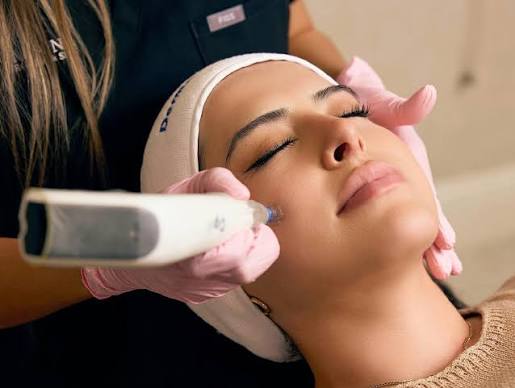
For selected individuals, dermatological procedures may also be considered. Chemical peels work by encouraging the removal of superficial skin cells containing excess pigment. Certain laser technologies target pigment-related structures, although their suitability depends on the patient’s skin type and pigmentation characteristics.
For readers seeking professional guidance, Melasma Treatment provides a relevant starting point for understanding available pigmentation treatment options.
A carefully selected approach may also support broader skin rejuvenation goals by improving visible unevenness and helping the complexion appear more balanced. However, collagen stimulation is not the primary purpose of melasma treatment, and procedures such as laser-assisted lipolysis address body contouring rather than facial pigmentation.
An experienced aesthetic practitioner or dermatologist can explain the differences between these treatments and help patients avoid choosing procedures that do not address their actual skin concerns.
What Are the Main Reasons People Choose Melasma Treatment?
People commonly consider Melasma Treatment because they want to manage persistent dark patches and achieve a more even-looking complexion.
Improving uneven skin tone
Visible pigmentation can create differences in skin colour across the face. Professional treatment aims to reduce these differences and support a more balanced appearance.
Addressing stubborn dark patches
Melasma can remain noticeable despite using ordinary skincare products. A professional assessment helps identify whether targeted pigmentation treatments may offer a more suitable approach.
Supporting skin confidence
Changes in facial pigmentation can affect how comfortable people feel without makeup. Improving the appearance of dark patches may help individuals feel more confident about their complexion.
Maintaining healthier-looking skin
Treatment planning often includes sun protection, appropriate skincare and ongoing monitoring. These measures help support the skin while addressing pigmentation concerns.
Achieving natural-looking results
Many people prefer gradual improvements that preserve their natural complexion rather than dramatic changes in skin colour. A personalised treatment plan can focus on reducing visible pigmentation without attempting to alter the individual’s natural skin tone.
Real Expectations Versus Common Misconceptions
Melasma Treatment can improve visible pigmentation, but understanding its limitations is essential before starting.
One common misconception is that melasma can always be removed permanently. In reality, it is a chronic and sometimes recurring condition. Even when pigmentation becomes less noticeable, sun exposure and hormonal influences can contribute to its return.
Another misunderstanding is that laser treatment is automatically the most effective option. Although certain laser procedures can help selected patients, they are not appropriate for everyone. In some cases, excessive or unsuitable laser treatment can trigger inflammation and worsen pigmentation.
Patients should also understand that results are not immediate. Depending on the treatment approach, skin characteristics and pigmentation depth, improvement may take several weeks or months.
Potential side effects depend on the procedure or medication used. Topical products can cause dryness, redness, irritation or peeling. Chemical peels may produce temporary redness and sensitivity. Laser procedures can cause discomfort, swelling, temporary redness and, in some cases, post-inflammatory hyperpigmentation or lighter patches.
People with darker skin tones may require particularly careful treatment selection because inflammation can sometimes lead to additional pigmentation.
Quick recovery should never be assumed. Recovery varies according to the treatment method, intensity and individual skin response.
How Does Melasma Treatment Compare with Over-the-Counter Brightening Products?
Professional Melasma Treatment and ordinary brightening skincare products serve different purposes. The main distinction is the level of assessment, treatment customisation and clinical supervision involved.
| Feature | Professional Melasma Treatment | Over-the-Counter Brightening Products |
|---|---|---|
| Assessment | Individual skin evaluation | Usually no clinical assessment |
| Treatment approach | Personalised management plan | General skincare formulation |
| Ingredients | May include prescription agents | Commonly includes cosmetic brightening ingredients |
| Procedures | Selected peels or laser options may be considered | No professional procedures |
| Monitoring | Professional follow-up where needed | Usually self-managed |
| Main purpose | Managing diagnosed pigmentation | Supporting general skin appearance |
Over-the-counter products may support a skincare routine, but they are not necessarily sufficient for persistent melasma.
Professional assessment is particularly useful when pigmentation is widespread, recurring or unresponsive to ordinary skincare. A dermatologist can distinguish melasma from other pigmentation conditions and recommend an appropriate approach.
Choosing the Right Clinic and Practitioner
Choosing an appropriately qualified practitioner is an important part of managing melasma safely and effectively.
Patients should look for a dermatology service that prioritises skin assessment rather than immediately recommending a procedure. Understanding the type, depth and possible triggers of pigmentation helps determine whether topical treatment, a chemical peel or another approach is appropriate.
It is also worth checking the practitioner’s qualifications and experience with pigmentation conditions, particularly when considering laser-based procedures.
A reliable consultation should include a discussion of the expected treatment timeline, possible side effects, maintenance requirements and realistic outcomes. Patients should feel comfortable asking questions and understanding why a particular treatment has been recommended.
For people living in the UAE, sun exposure is an important consideration when planning pigmentation management. A suitable treatment plan should account for everyday outdoor activities and the need for consistent photoprotection.
Patients should also be cautious about treatments promising instant or permanent results. Melasma often requires ongoing attention, and professional guidance can help establish realistic expectations.
Frequently Asked Questions
Is Melasma Treatment suitable for all skin types?
Melasma management can be considered for different skin types, but the approach must be personalised. Skin tone, pigmentation depth, sensitivity and medical history all influence treatment selection.
How long does Melasma Treatment take to show results?
Visible improvement varies between individuals. Some people notice changes after several weeks, while others require several months of consistent treatment. The severity and depth of pigmentation can influence the timeline.
Can melasma return after treatment?
Yes. Melasma is a recurring condition, and pigmentation may become noticeable again following sun exposure or hormonal changes. Ongoing sun protection and maintenance skincare are important.
Is laser treatment necessary for melasma?
No. Laser treatment is not necessary for everyone. Many treatment plans begin with sun protection and topical therapies. Laser procedures may be considered for selected cases following professional assessment.
What should I discuss during a melasma consultation?
It is helpful to discuss your pigmentation history, previous treatments, current skincare products, skin sensitivity and expectations. You should also ask about treatment suitability, potential side effects and long-term maintenance.
Conclusion
Melasma Treatment plays a valuable role in supporting skin health by addressing uneven pigmentation and helping individuals achieve a more balanced-looking complexion. Although melasma can be persistent, professional assessment and an appropriate management plan can make its appearance easier to control.
The most suitable approach depends on individual skin characteristics, pigmentation depth and contributing factors. Combining professional guidance with consistent sun protection and appropriate skincare can support more sustainable improvements.
If facial pigmentation is affecting your confidence or you are unsure which treatment approach is suitable, consider arranging a professional consultation. A qualified practitioner can assess your skin, explain the available options and help you make an informed decision based on your individual needs.