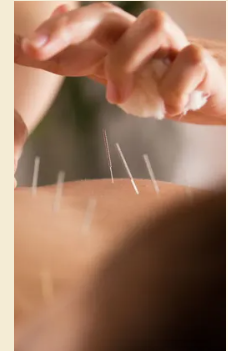
Your first acupuncture visit is about understanding your health, easing your concerns and building a care plan that fits your needs.
If pain, stress, poor sleep or hormonal concerns have started affecting your daily life, acupuncture may be worth exploring. Your first consultation in acupuncture in New Hyde Park begins with understanding your health, not rushing into treatment.
Understanding Your First Acupuncture Visit
Your first acupuncture consultation is more than a treatment session. It gives your practitioner time to understand your symptoms, health history, lifestyle and goals before recommending care. Rooted in Traditional Chinese Medicine (TCM) and guided by modern clinical knowledge, this process helps create a personalised treatment plan.
Whether you are dealing with back pain, joint stiffness, fertility concerns, tension headaches or stress, your practitioner will first listen to what your body has been experiencing.
- Start With an Open Conversation About Your Health
Your first visit usually begins with a discussion about your concerns. You may be asked when your symptoms started, what makes them worse, what brings relief and how they affect your daily routine.
You can also discuss previous treatments, medications, sleep patterns, digestion, menstrual health, physical activity and stress levels. These details help your practitioner understand your health beyond the symptoms you want to address.
There is no need to prepare perfect answers. Your honest experience helps guide the consultation.
- Understand How Your Practitioner Assesses Your Condition
Traditional Chinese Medicine uses a detailed assessment to understand patterns that may be linked to your symptoms. This may include observing your tongue, checking your pulse and asking questions about your energy, appetite, sleep and general wellbeing.
These traditional assessment methods help guide treatment within the TCM framework. However, they are not substitutes for standard medical tests, imaging or diagnosis when these are needed.
Your practitioner may also assess muscle tension, joint movement, posture or areas of tenderness. This is particularly helpful if you are seeking acupuncture for sports injuries, sciatica, neck pain or physical strain.
- Know What Happens During Treatment Planning
After reviewing your health history and assessment, your practitioner will explain the proposed treatment approach, expected benefits, possible risks and alternatives. You should have time to ask questions before treatment begins.
| Your concern | What your practitioner may explore |
| Knee or back pain | Movement, muscle tension, pain triggers and activity levels |
| Stress or poor sleep | Sleep habits, stress patterns and relaxation needs |
| Fertility support | Menstrual history, fertility treatment and reproductive health |
| Sports injuries | Recovery, mobility, physical strain and injury history |
| Headaches | Frequency, triggers, symptoms and medical history |
The plan may combine acupuncture with therapeutic massage, gentle stretching or other integrative bodywork when appropriate. The goal is to support comfort, function and overall wellbeing without overlooking the need for conventional medical care.
- Learn What Acupuncture Needles Feel Like
Once you agree to treatment, your practitioner will explain where the needles may be placed. Acupuncture uses very fine, sterile, single-use needles inserted into selected points on the body.
Needle placement depends on your symptoms and treatment plan. For knee pain, needles may be placed around the knee or at other points. For neck tension, treatment may focus on the neck, shoulders or other areas.
Acupuncture needles are much thinner than most needles used for injections.
You may feel a slight prick, tingling, heaviness, warmth or a dull ache. Some people barely notice the insertion. Others feel a brief sensation that fades quickly. You should not feel sharp or persistent pain. Tell your practitioner if anything feels uncomfortable.
- Settle Into a Comfortable Treatment Session
After needle placement, you may rest quietly for around 15 to 30 minutes, depending on your treatment plan. Your practitioner will make sure you feel comfortable and can adjust the treatment if needed.
Some people feel relaxed, sleepy or calm during the session. Others notice little change at first. Your response may vary from one visit to another, and you do not need to feel anything special for treatment to be worthwhile.
If you are exploring acupuncture in Garden City Park, look for a practitioner who explains each step, respects your comfort and encourages open communication throughout the session.
- Follow Simple Post-Treatment Care
After your first acupuncture session, you may feel relaxed, refreshed or slightly tired. Some people experience mild soreness, temporary tenderness or a small bruise near a needle site. These effects usually settle quickly.
To support your comfort after treatment:
- Drink water and eat regular meals.
- Avoid strenuous exercise if you feel tired or sore.
- Give yourself time to rest if needed.
- Monitor how your symptoms and movement change.
- Contact your practitioner if you experience unusual or lasting symptoms.
Serious complications are rare when acupuncture is performed by a qualified practitioner using sterile needles. However, seek medical attention if you experience severe pain, fainting, signs of infection or other concerning symptoms.
- Build a Care Plan That Supports Your Progress
Acupuncture is not always a one-session solution. Your practitioner may recommend several visits based on your condition, response to treatment and health goals. Progress should be reviewed regularly rather than assuming that everyone needs the same number of sessions.
Evidence suggests acupuncture may help manage certain pain conditions, including some types of chronic musculoskeletal pain. However, results vary, and research on other conditions remains mixed. It works best as a complementary approach, not a replacement for essential medical care.
Your First Visit Is the Beginning of a Partnership
Your first acupuncture consultation should leave you feeling heard, informed and comfortable with your next steps. From health history and assessment to needle placement and aftercare, each stage should support a thoughtful approach to your wellbeing.
Rooted in traditional Chinese practice and guided by modern clinical understanding, acupuncture can offer an additional way to manage discomfort, support relaxation and improve quality of life. The right practitioner helps you make informed choices, one session at a time.