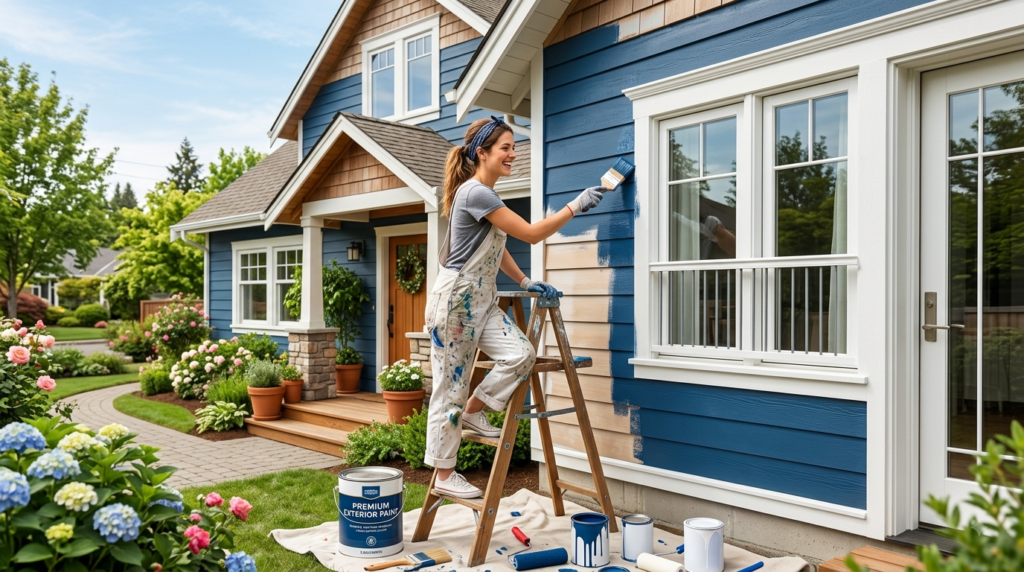
Painting the outside of a house can completely change how the property looks, but the project is about more than choosing a new color. Exterior surfaces deal with sunlight, rain, humidity, temperature changes, dirt, and everyday wear. A good-looking result depends on choosing a suitable coating and preparing the surface properly before the first brush or roller touches the wall.
When selecting Exterior Paint, it helps to think about the actual conditions the coating will face. The surface material, existing finish, weather, desired sheen, and amount of preparation required can all influence the final result. Centerville Paint & Hardware carries Benjamin Moore exterior products for different applications, including wood, masonry, siding, and other exterior surfaces.
Start by Looking at the Existing Surface
Before thinking about color, walk around the property and inspect the surfaces that will be painted.
Look for peeling or flaking paint, cracks, chalking, mildew, damaged wood, exposed areas, and places where the existing coating has lost its adhesion. These problems should be addressed before applying a new finish.
A fresh coat of paint cannot hide every underlying problem. In some cases, painting over a damaged or contaminated surface can leave visible imperfections or contribute to adhesion problems later.
Benjamin Moore recommends cleaning exterior surfaces, allowing them to dry thoroughly, repairing visible damage, and removing loose or peeling paint before beginning the coating process.
Weather Can Affect the Entire Project
Outdoor painting is unusual because the environment is part of the job.
Rain can interrupt the project, but temperature and humidity matter too. If the surface is too cold, too damp, or exposed to unsuitable conditions, drying and adhesion can be affected.
Benjamin Moore recommends checking the weather before starting and avoiding exterior painting when temperatures are below 40°F (4.4°C). Its guidance also notes that high humidity can slow drying.
This is particularly worth considering when planning a multi-day project. A forecast that looks acceptable for the afternoon may not tell the whole story if overnight temperatures or moisture levels create problems.
Rather than rushing to finish before bad weather arrives, plan the project around a reasonable weather window.
Cleaning Comes Before Painting
One of the less exciting parts of an exterior painting project is also one of the most important.
Exterior walls collect dirt, dust, chalk, mildew, and other contaminants over time. If these remain on the surface, the new coating may not adhere as well as it should.
Benjamin Moore recommends cleaning exterior surfaces before painting and allowing them to dry completely. Areas affected by mildew should also be properly cleaned before coating.
If pressure washing is used, the surface still needs time to dry afterward. Painting immediately because the surface looks clean is not the same as confirming that it is ready for paint.
Choose the Product for the Surface
Not every exterior surface behaves the same way.
Wood siding, fiber cement, vinyl, aluminum, stucco, concrete, brick, and metal can have different preparation and coating requirements.
For example, Centerville Paint & Hardware currently lists Benjamin Moore Regal Select exterior products that are recommended for surfaces including wood, hardboard, fiber cement, cedar shake, vinyl, aluminum siding, brick, concrete, stucco, cinder block, and primed metal.
That does not mean one product should automatically be used everywhere. The existing surface and project conditions still need to be considered.
If you’re uncertain about compatibility, checking the product specifications or asking a knowledgeable paint professional before purchasing can save you from an expensive mistake.
Decide Whether Primer Is Necessary
Primer is not always an automatic requirement, but there are situations where it can make a significant difference.
Bare substrates, repaired areas, surfaces that have been sanded back to the underlying material, certain stains, rust, and difficult-to-coat surfaces may require primer.
Benjamin Moore specifically identifies bare substrates, sanded areas, rust or stains, dramatic color changes, and certain difficult surfaces among situations where primer may be appropriate.
Some modern exterior paints are designed with self-priming characteristics. For example, Centerville Paint & Hardware’s listing for Regal Select exterior paint describes it as a high-build, self-priming acrylic latex coating.
The important thing is to follow the specific product’s instructions rather than assuming that every exterior project requires — or does not require — a separate primer.
Sheen Changes More Than Appearance
Once the surface and product have been decided, there is still the question of sheen.
Flat finishes can help disguise minor surface imperfections. Satin offers a somewhat cleaner, more durable surface, while semi-gloss provides greater moisture resistance and easier cleaning. Higher-gloss finishes can create a striking appearance but may also make surface imperfections more noticeable.
Benjamin Moore describes these differences in its exterior finish guidance.
For a large exterior wall, a lower sheen may create the visual effect you’re looking for. Trim, doors, shutters, and other architectural details may benefit from a different level of sheen.
Using different finishes thoughtfully can add definition without requiring dramatically different colors.
Color Deserves More Testing Than You Might Expect
Exterior colors are strongly affected by natural light.
A color that looks one way on a small indoor sample can appear noticeably different when spread across a large wall under direct sunlight. Nearby landscaping, roofing, stonework, and neighboring structures can also influence how the color is perceived.
Instead of deciding from a tiny digital image, consider physical samples and observe them on the actual property.
Centerville Paint & Hardware offers custom color matching for Benjamin Moore paints as well as custom colors from other brands.
Testing before committing to several gallons can be particularly useful when choosing a bold color or changing from a light exterior to a much darker one.
Don’t Forget the Details Around the House
A repaint is a good opportunity to inspect areas that are easy to overlook.
Pay attention to:
- Window and door trim
- Shutters
- Fascia and soffits
- Porch ceilings
- Exterior doors
- Railings
- Garage doors
- Small areas of exposed wood
Small cracks and gaps around windows and doors may need appropriate caulking before painting. Benjamin Moore recommends using quality paintable caulk for minor exterior gaps and cracks as part of the preparation process.
These details can have a surprisingly large effect on how finished the house looks.
Consider Alternatives for Exterior Wood
Paint is not the only option for every exterior wood project.
If the goal is to preserve some of the natural appearance of wood, a stain and sealer may be more appropriate.
Centerville Paint & Hardware currently carries Benjamin Moore Woodluxe Oil-Based Waterproofing Stain + Sealer in a semi-transparent finish. The product is designed for exterior use and is formulated to provide UV and mildew resistance while allowing much of the wood grain and texture to remain visible.
This can be worth considering for decks, siding, or other suitable wood surfaces where maintaining the natural character of the material is part of the design.
Buy Enough Material — But Don’t Guess
Running out of paint halfway through an exterior project is frustrating, especially when the weather is cooperating and the job is already underway.
Estimate the surface area carefully and consider the product’s stated coverage. Keep in mind that rough or porous surfaces may require different amounts of material than smooth surfaces, and additional coats may be necessary depending on the existing color and condition.
At the same time, buying far more paint than necessary can leave you with unnecessary expense and storage problems.
If the project is large or the surfaces are complicated, discussing the measurements and application with a paint professional can help produce a more realistic material estimate.
Give the Surface Time to Become Ready
One of the easiest mistakes to make is rushing.
A surface may look dry without actually being ready for the next stage. Likewise, a cleaned wall may look ready to paint while still holding moisture.
Exterior painting works best when each stage gets the time it needs: cleaning, drying, repairing, priming where appropriate, caulking, and finally applying the finish.
It can be tempting to compress the schedule when you’re eager to see the new color. But taking an extra day for preparation is usually less frustrating than having to correct a problem after the project is finished.
A Better Exterior Starts Before the Paint Goes On
A successful exterior painting project is rarely about one magical product or a single perfect color. It comes from putting several decisions together: understanding the surface, preparing it properly, watching the weather, selecting a suitable coating, choosing an appropriate sheen, and giving each stage enough time.
When choosing Exterior Paint, start with the conditions the product needs to handle rather than simply picking a color from a shelf. The right product should work with the surface and the environment while giving you the appearance you want.
Centerville Paint & Hardware is a family-owned paint and hardware store in Centerville, Massachusetts, specializing in paint and decorating while also offering services such as custom color matching.
With the right preparation and product selection, an exterior repaint can do more than freshen up the appearance of a property. It can give the entire project a more finished, considered look — and make the work you’ve put into it worthwhile.
