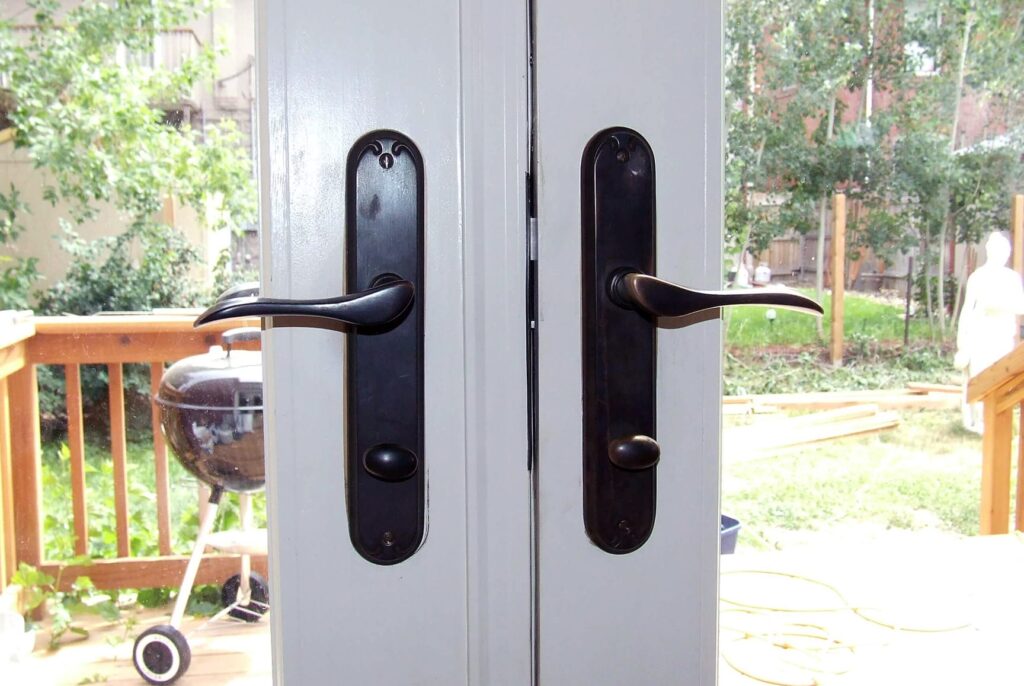
Patio doors are an important feature of many modern homes. They connect indoor living spaces with gardens, balconies, patios, and outdoor entertaining areas while allowing plenty of natural light into the property.
However, choosing the right door involves more than simply considering its appearance. Security, durability, insulation, ease of use, and maintenance should all be carefully evaluated before making a purchase. If you are looking for lockable patio doors, understanding the most important features can help you select an option that provides both practicality and peace of mind.
Prioritise Security
Security should be one of the first considerations when purchasing a patio door. Because patio doors can provide direct access to the outside, they need a dependable locking system that helps protect your home against unwanted entry.
Look for doors with strong multi-point locking mechanisms rather than relying on a basic single-point lock. Multi-point systems secure the door at several positions along the frame, making it considerably more difficult to force open. High-quality cylinders, reinforced frames, and durable handles can also contribute to overall security.
It is worth checking whether the door has been tested against recognised security standards. Products that have undergone independent testing can provide additional confidence that their locking components and construction have been designed with security in mind.
Choose the Right Material
The material used to construct your patio door can influence its strength, appearance, insulation, lifespan, and maintenance requirements. Common options include uPVC, aluminium, timber, and composite materials.
uPVC doors are popular because they are relatively affordable, energy efficient, and easy to maintain. Aluminium doors provide a sleek, contemporary appearance and can accommodate large glass panels while maintaining a strong structure. Timber can create a traditional and attractive look, although it generally requires more maintenance.
When comparing lockable patio doors, consider how the material will perform in your particular environment. Think about exposure to rain, sunlight, temperature changes, and everyday use. A suitable material should remain stable and functional over many years.
Examine the Locking System
A high-quality locking system is essential, but you should also consider how convenient it is to operate. A lock that is difficult to use may become frustrating, particularly when the door is opened and closed frequently.
Check that the handle feels solid and operates smoothly. The key or internal locking mechanism should work without excessive force. Some modern patio doors can also incorporate additional security features, such as anti-snap cylinders, anti-drill protection, and reinforced locking points.
If children or elderly family members use the door regularly, ease of operation becomes even more important. The best system should combine strong security with straightforward everyday functionality.
Consider Energy Efficiency
Large areas of glass can have an impact on a property’s energy performance. Poorly insulated patio doors may allow heat to escape during winter and permit excessive heat into the home during summer.
When shopping for a new door, look at the glazing specification and overall energy efficiency. Double glazing is a common choice, while triple glazing may provide additional insulation in suitable situations. Low-emissivity glass, gas-filled glazing units, and thermally efficient frames can further improve performance.
Good weather seals are equally important. They help prevent draughts and reduce unwanted air movement around the door. A well-insulated patio door can make an indoor space more comfortable while potentially reducing the amount of energy required for heating and cooling.
Pay Attention to Glass Quality
The glass represents a large part of any patio door, so it deserves careful consideration. Safety should be a priority, particularly where large glass panels are involved.
Toughened or laminated safety glass can provide additional protection compared with ordinary glass. If the glass breaks, safety glazing is designed to reduce the risk associated with large, sharp fragments.
You can also explore privacy options if the patio area is visible from neighbouring properties or public spaces. Obscured, tinted, or specialist glass may provide additional privacy without completely sacrificing natural light.
Measure the Opening Accurately
Before ordering a patio door, accurate measurements are essential. The door must fit the existing opening correctly, including its height, width, and available installation space.
An incorrectly measured door can lead to installation complications, draughts, poor operation, or additional costs. If you are replacing an existing door, do not assume that the old dimensions automatically represent the correct measurements for a replacement.
Professional measurement is often worthwhile, especially for large or custom-sized doors. An experienced installer can assess the opening and identify potential issues before the product is manufactured or ordered.
Think About Door Style and Operation
Patio doors are available in several configurations. Sliding doors are useful where space is limited because the panels move along a track rather than swinging into the room. French doors can provide a more traditional appearance, while bi-fold systems can create a wide opening between indoor and outdoor areas.
Your available space, furniture arrangement, and intended use should influence the choice. Consider how frequently the door will be opened, how much ventilation you want, and whether you need a particularly wide opening for entertaining or moving furniture.
For many homeowners, lockable patio doors should provide a balance between attractive design and practical operation. A stylish door is valuable, but it should never compromise security or usability.
Check Weather Resistance
Patio doors are exposed to changing weather conditions, making weather resistance another important factor. Rain, wind, humidity, and direct sunlight can affect frames, seals, hardware, and finishes over time.
Look for products with effective drainage systems and high-quality weather seals. The frame should be designed to minimise water penetration, while the threshold should provide appropriate protection against rain entering the property.
If your home is located in an area that experiences strong winds or heavy rainfall, pay particular attention to the door’s performance specifications. Choosing a product designed for your local conditions can help prevent problems later.
Consider Maintenance Requirements
A patio door should not become a major maintenance burden. Different materials have different requirements, so consider how much time you are willing to spend on cleaning and upkeep.
uPVC and aluminium generally require relatively little maintenance. Timber may require periodic painting, staining, or sealing to preserve its appearance and protect it from moisture.
Regardless of material, locks, handles, rollers, hinges, and tracks should be checked periodically. Keeping moving components clean and properly maintained can help the door operate smoothly and extend its useful life.
Compare Warranties and Installation
A strong warranty can provide valuable reassurance when investing in a new patio door. Review what the warranty covers and how long the coverage lasts. Pay attention to whether it includes the frame, glazing, locking hardware, and installation.
Professional installation can also make a significant difference. Even a high-quality product may perform poorly if it is installed incorrectly. Poor installation can affect alignment, security, insulation, and weather resistance.
Before choosing an installer, check their experience with the specific door type you are purchasing. Ask about installation procedures, aftercare, and what happens if adjustments are required after installation.
Final Thoughts
Buying a patio door is a decision that should combine aesthetics, security, comfort, and long-term value. Focus on the quality of the frame, glazing, locking system, weather seals, and hardware rather than choosing a product based solely on its appearance.
When comparing lockable patio doors, make security a central consideration while also assessing energy efficiency, durability, maintenance, and ease of operation. Accurate measurements and professional installation can further improve the final result.
Ultimately, the right patio door should complement your property while providing reliable performance for years. By carefully comparing materials, security features, glazing, styles, warranties, and installation services, you can make a confident choice that enhances both your home’s appearance and everyday functionality.