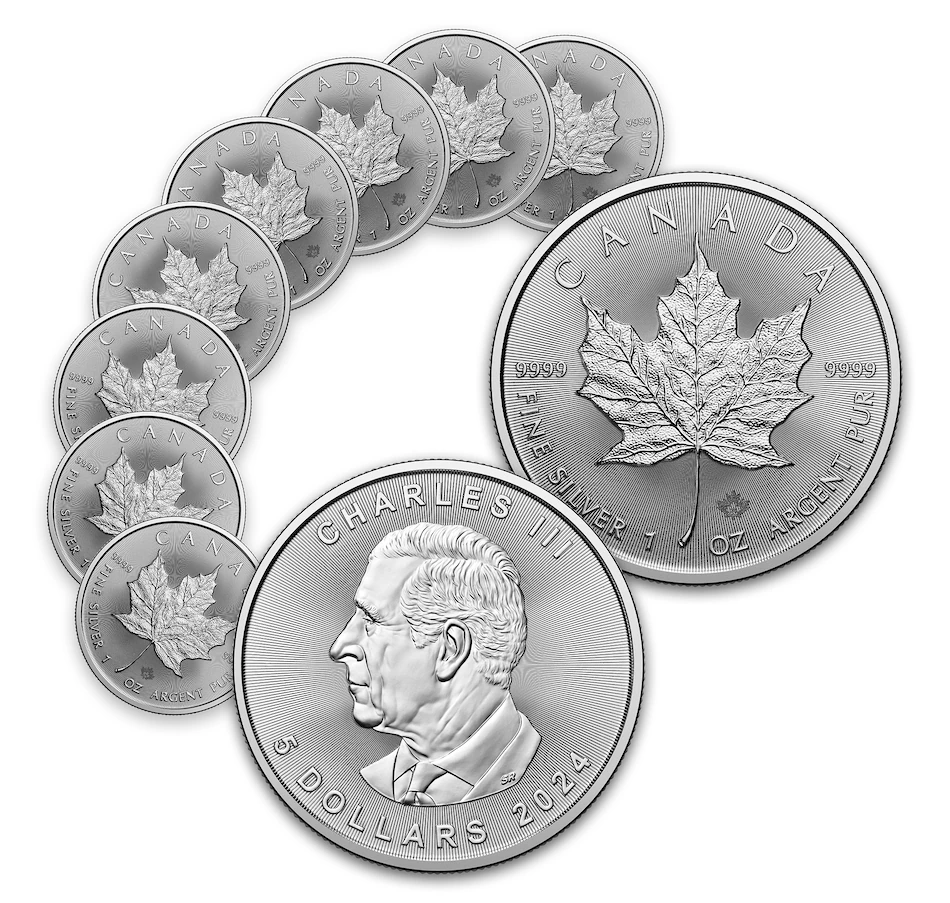
Buying silver coins can be a practical way to build a precious metals collection, but choosing the right dealer is just as important as selecting the coins themselves. Whether you are a first-time buyer or an experienced collector researching the 1 oz maple leaf canada silver 2026, knowing how to evaluate sellers can help you avoid counterfeit products, excessive premiums, and unnecessary purchasing risks. The key is to compare reputable sources, verify authenticity, and understand the full cost before placing an order.
Can You Buy Silver Coins From Trusted Dealers?
Finding a reliable seller starts with understanding the main purchasing channels available to American buyers. Online bullion retailers, established local coin shops, and dealers connected to recognized mint distribution networks can all be useful options. Each offers different advantages in pricing, convenience, product selection, and personal service.
1. Established Online Bullion Dealers
Online bullion dealers are a convenient option for buyers who want to compare several coins without visiting multiple stores. Their websites often display live or frequently updated prices, product specifications, available quantities, shipping charges, and payment options.
A reputable online seller should provide a verifiable business identity, clear contact information, transparent purchase terms, and a written shipping and return policy. Check whether the listed price applies to your preferred payment method, as some dealers charge different prices for credit cards, bank transfers, or other payment methods.
Online shopping is particularly useful when comparing standard bullion coins, including Canadian Silver Maple Leafs and American Silver Eagles. However, never assume that the lowest advertised price represents the best deal. Shipping fees, insurance, payment surcharges, and the dealer’s buyback price can affect the overall value of a purchase.
2. Local Coin Shops and Bullion Stores
Local coin shops offer an alternative for buyers who prefer to inspect coins and speak with a dealer before spending money. You can ask questions about silver purity, condition, current premiums, and the differences between bullion and collectible coins.
An established shop may also allow you to purchase a small quantity without paying delivery charges. This can make local buying practical for beginners who want to learn about precious metals before committing to larger orders.
Before visiting, call to confirm that the shop carries the specific coins you want. Ask whether its quoted price includes applicable taxes and other charges. You should also check independent customer reviews and look for a consistent record of clear communication and fair dealing.
A physical storefront alone does not guarantee reliability. Apply the same verification standards to local sellers that you would use for online retailers.
3. Mint-Recognized Dealer Networks
Official mint websites are valuable starting points when you want to identify established distribution channels. For example, the Royal Canadian Mint provides information about its bullion products and registered dealer network, helping buyers find sellers associated with its products.
In the United States, the U.S. Mint distributes its bullion coins through authorized purchasers rather than selling standard bullion coins directly to the public. Its published list can help buyers identify companies involved in the official distribution of U.S. Mint bullion. The Mint also cautions that its listing is not an endorsement or guarantee of every company’s retail services.
Remember that authorization for one mint’s products does not automatically establish a dealer’s suitability for every type of silver coin. Check the dealer’s current credentials, retail terms, and the specific product you intend to buy.
How to Evaluate a Silver Coin Dealer Before Paying
A professional-looking website and attractive prices are not enough to establish trust. Before making a purchase, evaluate the seller’s business practices and determine whether you can verify the product, transaction, and delivery arrangements.
Verify the Company’s Identity
Look for the business’s legal or registered name, physical business address, customer service telephone number, and clearly stated policies. Check whether these details are consistent across its website, invoices, and independent business listings.
Search for customer feedback from multiple sources rather than relying exclusively on testimonials published by the seller. Give particular attention to complaints about undelivered orders, unexpected charges, refund disputes, or difficulty selling coins back to the same dealer.
A new or small business is not automatically unreliable, but limited trading history means you may have less evidence to assess its performance.
Check Product Descriptions Carefully
Every listing should identify the coin’s issuing mint, year, metal content, weight, and product type. These details matter because standard bullion coins, proof coins, commemoratives, and collectible issues can have significantly different prices.
For example, a one-ounce silver coin may contain one troy ounce of silver, but that does not mean every coin weighing roughly an ounce has the same silver content. Confirm the stated fineness and the amount of actual silver in the product.
Also distinguish between a coin sold as ordinary bullion and one advertised as a rare collectible. A higher price is not automatically justified by attractive packaging, a recent issue date, or promotional descriptions.
Review Payment, Shipping, and Return Policies
Read the checkout terms before submitting payment. Confirm the final price, expected dispatch timeframe, delivery method, insurance arrangements, and process for reporting damaged or missing packages.
Pay attention to cancellation and return restrictions. Bullion prices can change quickly, so many dealers impose special conditions on orders once the price has been locked in. Understand these conditions before confirming your purchase.
Be cautious of sellers who demand immediate payment through unusual methods, refuse to provide an invoice, or pressure you to buy before you have time to verify their claims.
Understanding Silver Coin Prices and Dealer Premiums
The price of a bullion coin generally reflects the current silver market price plus a premium charged to cover production, distribution, and retail costs. The premium is the amount paid above the value of the coin’s silver content.
Two dealers may offer the same coin at different prices because their costs, stock levels, payment terms, and pricing policies differ. For that reason, comparing the final purchase cost is more useful than comparing headline prices alone.
Calculate the Total Cost of Ownership
Suppose one dealer offers a silver coin for $42 and another offers the same coin for $40. The second dealer may appear cheaper, but a $5 shipping fee would bring its total to $45 before any applicable tax. If the first dealer offers free insured shipping, its $42 price could represent better value.
This simple example illustrates why buyers should compare the complete checkout total for identical products and quantities.
Also consider the dealer’s buyback price. The difference between the amount you pay to purchase a coin and the amount a dealer would pay to buy it back is commonly called the buy-sell spread. A low purchase premium may be less attractive if the dealer offers a particularly low resale price.
Comparing the Main Places to Buy Silver Coins
The following table summarizes how the main purchasing options differ. These are general characteristics, not guarantees about every seller.
| Buying channel | Main advantage | What to verify | Best suited for |
|---|---|---|---|
| Online bullion retailer | Convenient price and product comparisons | Shipping costs, payment terms, reviews | Buyers comparing several products |
| Local coin shop | In-person service and potential physical inspection | Business reputation, pricing, authenticity | Beginners who want personal guidance |
| Mint-listed dealer | A useful starting point for verifying distribution relationships | Current listing and retail terms | Buyers prioritizing established channels |
| Coin shows and dealer events | Opportunity to compare multiple sellers in person | Credentials, receipts, testing procedures | Collectors who prefer face-to-face purchases |
| Secondary-market seller | Potentially competitive prices on previously owned coins | Provenance, authenticity, return policy | Experienced buyers comfortable with additional checks |
Regardless of the channel, compare the same coin, year, quantity, and condition. This keeps the comparison meaningful and reduces the risk of choosing an apparently cheaper but materially different product.
What to Know Before Buying the 2026 Silver Maple Leaf
The Canadian Silver Maple Leaf is a popular bullion coin produced by the Royal Canadian Mint. Its familiar design, high silver purity, and built-in security features make it a useful example of what buyers should examine when choosing silver coins.
The standard 2026 bullion issue contains one troy ounce (31.11 grams) of 99.99% pure silver, has a $5 Canadian face value, and measures 38 millimeters in diameter. Its security features include precision-machined radial lines, a micro-engraved maple leaf, and BULLION DNA anti-counterfeiting technology.
Distinguish Standard Bullion From Premium Collectible Issues
Not every coin bearing a 2026 date is the same product. The standard bullion coin differs from specially packaged or limited-mintage versions that may carry additional design features or a higher collectible premium.
Before placing an order, read the full product description and verify the product number when one is provided. Check whether the coin is sold individually, in a protective capsule, or as part of a premium presentation package.
If your main goal is to acquire silver by weight, compare the premium over the silver value. If you are collecting particular designs or packaging, you may be willing to pay more, but understand that the additional amount may not be recovered when you resell the coin.
Use Security Features as Part of Your Verification Process
Security features can help distinguish genuine Maple Leafs from counterfeits, but buyers should not rely on appearance alone. Examine the radial lines and the small, laser-engraved maple leaf under suitable magnification. The micro-engraved mark on the 2026 issue includes the numeral “26.”
The Royal Canadian Mint’s BULLION DNA technology supports authentication of eligible Maple Leaf coins dated 2015 onward. Where the appropriate equipment or verification service is available, it can provide an additional check.
For higher-value purchases, consider having an experienced bullion professional assess the coin. Avoid aggressive scratch tests, filing, or other destructive methods that can damage the product and reduce its resale appeal.
Common Mistakes to Avoid When Purchasing Silver Coins
Even experienced buyers can make costly mistakes when they focus too heavily on price or overlook transaction details. A careful process can help reduce these risks.
Choosing the cheapest listing without checking the seller: An unusually low price can be a warning sign, particularly when the seller’s identity and policies are unclear. Compare the offer with current market prices and seek further verification before paying.
Confusing bullion value with collectible value: A coin’s silver content provides a useful baseline, but rarity, condition, and collector demand can also affect its price. Do not pay a substantial collectible premium unless you understand what makes the particular coin desirable.
Ignoring resale conditions: Some buyers research purchase prices extensively but never investigate how they would sell their coins. Check whether established dealers publish buyback prices and what identification, condition, or minimum-quantity requirements apply.
Overlooking delivery protection: Silver is valuable and relatively compact. Use a seller that explains how orders are packaged, shipped, insured where applicable, and handled if a parcel goes missing.
Responding to pressure tactics: Be wary of claims that a coin will certainly rise in value or that you must purchase immediately to avoid guaranteed losses. Silver prices fluctuate, and no dealer can promise investment profits. The U.S. Mint advises consumers to research prevailing metal prices and exercise extra scrutiny when an offer falls below the current market price.
How to Make Your First Silver Coin Purchase
If you are new to bullion, a straightforward first purchase can help you learn the market without making the process unnecessarily complicated.
Start by selecting a widely traded coin with clearly documented weight and purity. Obtain comparable quotes from two or three dealers, including the total delivered cost. Confirm the seller’s identity, read the payment and return conditions, and keep a copy of the order confirmation and invoice.
When the coin arrives, inspect the packaging and compare the product with the original listing. Check the design, date, stated specifications, and visible security features. If anything appears inconsistent, contact the seller promptly and avoid altering the coin while the issue is being resolved.
Finally, keep purchase records and store your coins securely. If you intend to buy regularly, maintain a simple record of dates, quantities, purchase prices, and any associated fees. This will help you track your average acquisition cost and make more informed comparisons over time.
Conclusion
Buying silver coins from a trusted dealer requires more than finding an attractive price. Buyers should verify the seller’s business details, compare premiums and delivery costs, review transaction policies, and understand the coin’s specifications before making a purchase. For products such as the 2026 Canadian Silver Maple Leaf, official mint information provides a useful reference for confirming purity, weight, and security features. Whether you choose an online bullion retailer or a local coin shop, prioritize transparency, authenticity, and fair resale terms. A careful approach can help you build a silver collection with greater confidence and fewer avoidable purchasing risks.
Frequently Asked Questions
1. Where is the safest place to buy silver coins in the United States?
Established online bullion dealers, reputable local coin shops, and verified sellers within recognized mint distribution networks are good starting points. Check the dealer’s business identity, independent reviews, pricing policies, and authenticity procedures before purchasing.
2. How can I tell whether a silver coin dealer is trustworthy?
Look for clear business information, transparent pricing, written transaction policies, and a documented record of customer service. Compare reviews across independent sources and avoid sellers who use aggressive sales tactics or make guaranteed profit claims.
3. Is it cheaper to buy silver coins online or from a local dealer?
Neither option is always cheaper. Online dealers may offer competitive pricing and a wider selection, while local shops may eliminate shipping costs and allow in-person inspection. Compare the final price, including applicable taxes, fees, and delivery charges.
4. How much silver does a 2026 Canadian Silver Maple Leaf contain?
The standard 2026 Silver Maple Leaf bullion coin contains one troy ounce, or approximately 31.11 grams, of 99.99% pure silver. It also incorporates security features designed to help with authentication.
5. Can I resell silver coins after purchasing them?
Yes. Many bullion dealers and coin shops buy silver coins from customers, although the prices and conditions vary. Before purchasing, compare potential buyback prices and understand that you may receive less than your original purchase price, particularly after accounting for premiums and transaction costs.