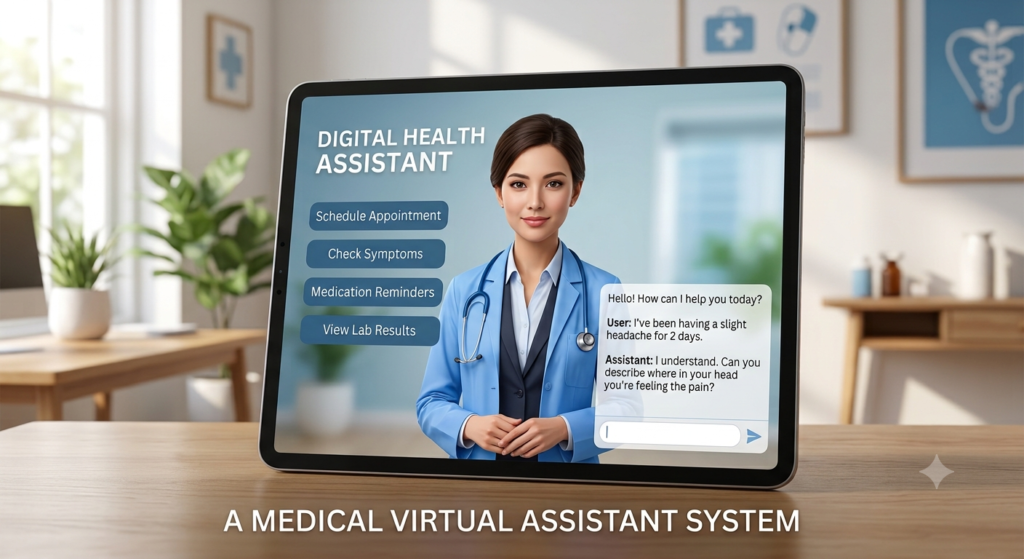
Healthcare practices are constantly looking for better ways to manage administrative responsibilities while providing patients with a smooth and professional experience. As patient expectations increase and medical offices become busier, many providers are exploring remote support solutions. This growing demand is one of the reasons healthcare virtual assistants are becoming increasingly popular among medical practices.
What Is Driving the Growing Demand?
One of the biggest reasons for this trend is the need to save time. Medical staff often spend a significant portion of their day handling routine administrative activities such as scheduling appointments, responding to general inquiries, updating information, and managing messages.
A healthcare virtual assistant can help with many of these non-clinical responsibilities remotely. By taking care of suitable administrative tasks, virtual support professionals can help reduce pressure on in-office employees and allow them to concentrate more on patients and essential practice operations.
How Do Virtual Assistants Support Medical Practices?
Virtual assistants can provide flexible administrative support based on the specific needs of a healthcare organization. Their responsibilities may include appointment scheduling, patient follow-ups, data entry, reminder calls, email management, and handling routine communication.
This flexibility can be particularly useful for growing practices. Instead of immediately expanding their physical office staff, healthcare providers can use remote support to manage additional workloads. This approach can also help practices maintain consistent administrative processes during busy periods.
Improving Patient Communication
Patient communication plays an important role in healthcare. Delayed responses, missed calls, or unclear appointment information can create frustration for patients. Having additional administrative support can make it easier for practices to respond to routine requests promptly.
Virtual assistants can help organize patient messages, appointment requests, and follow-ups. With appropriate procedures and access controls in place, they can support communication while allowing clinical staff to focus on healthcare-related responsibilities.
Why Dental Practices Are Also Using Remote Support
Dental offices experience many of the same administrative challenges as medical practices. Staff may need to manage appointment requests, cancellations, patient questions, reminders, and incoming calls while simultaneously assisting people in the office.
A dental-answering-service can help dental practices manage routine calls and communication more efficiently. Professional answering support can help ensure that incoming inquiries are handled consistently, which can be especially valuable when front-desk employees are busy with patients.
Flexibility and Cost Considerations
Another factor behind the popularity of virtual support is flexibility. Practices can choose services according to their workload rather than maintaining a large in-house administrative team for every situation.
Remote assistance may also help organizations manage operational costs by providing support without requiring additional physical office space and equipment. However, practices should evaluate service quality, training, confidentiality procedures, and communication standards before choosing a provider.
The Future of Virtual Healthcare Support
As healthcare organizations continue adopting digital and remote working solutions, virtual administrative support is likely to remain an important part of modern practice management. These services can help medical and dental practices handle routine responsibilities while improving workflow efficiency.
Conclusion
Healthcare virtual assistants are becoming more popular because they offer flexible administrative support, help manage routine workloads, and can contribute to better patient communication. For medical and dental practices facing increasing administrative demands, remote support can be a practical way to improve everyday operations while allowing staff to focus on their core responsibilities.
Healthcare virtual support can make patient communication more organized, responsive, and manageable. From handling routine inquiries to supporting appointment scheduling and call management, these services can reduce administrative pressure on medical teams.
For healthcare and dental practices, using the right virtual communication solution can help create smoother workflows while allowing staff to focus more on delivering quality patient care.