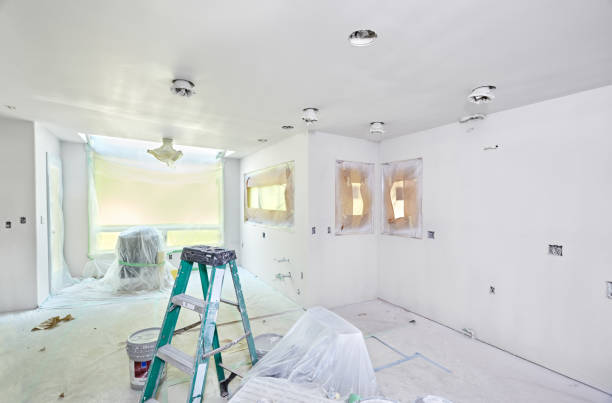
Interior Painting
A successful interior painting project begins with a careful review of the surfaces that will receive paint. Before Interior Painting Boise, Idaho becomes part of a planned home improvement project, preparation should focus on the actual condition of walls, ceilings, trim, doors, and other finished areas. Cracks, stains, peeling coatings, dents, moisture damage, and uneven textures can affect the finished appearance if they are overlooked.
1. Examine Drywall for Cracks and Dents
Drywall provides much of the visible surface inside a home, so its condition deserves an early inspection. Small nail holes, dents, joint cracks, and damaged corners can remain noticeable after a fresh coat of paint.
Minor surface imperfections may require appropriate patching and sanding before primer or paint is applied. Larger cracks or areas showing signs of recurring movement may require further evaluation before cosmetic repairs begin.
2. Check Ceilings for Stains and Uneven Areas
Ceilings can reveal problems that walls do not. Water stains, discoloration, peeling paint, and irregular textures may indicate an underlying issue that should be addressed before painting.
A ceiling with an existing textured finish also requires attention. Areas that have been repaired may have a different texture from the surrounding surface, creating visible differences after painting.
3. Inspect Baseboards Along the Floor
Baseboards collect scuffs, dirt, dents, and old paint buildup. Their condition can influence how cleanly a newly painted wall meets the floor.
Loose sections should be identified before surface preparation. Deep scratches and damaged areas may need repair, while excessive layers of old paint can require additional preparation for a uniform result.
4. Review Door Casings and Window Trim
Trim around doors and windows creates strong visual lines throughout an interior. Cracks at joints, chipped paint, caulk deterioration, and dents should be identified before the painting process starts.
Wood trim can also have a different preparation requirement than drywall. Glossy or previously painted surfaces may need careful cleaning and preparation so the new coating can adhere properly.
5. Look Closely at Interior Doors
Doors receive frequent contact and often show more wear than nearby walls. Edges, panels, handles, and lower sections can develop chips, scratches, and accumulated grime.
A painting assessment should determine whether the door needs spot repairs, cleaning, sanding, or broader preparation. Hinges and hardware should also be considered when determining how the door will be protected during painting.
6. Assess Areas Around Kitchens and Bathrooms
Interior surfaces near kitchens and bathrooms can experience more humidity, condensation, grease, and routine cleaning. These conditions can affect existing coatings and may leave residue that interferes with a new finish.
Walls near sinks, ranges, showers, and tubs deserve particular attention. Peeling or bubbling paint should not simply be covered without determining what caused the deterioration.
For Interior House Painting Boise, Idaho projects, these areas should be assessed carefully because surface conditions can vary significantly from one room to another.
7. Check Previously Repaired Wall Sections
Old repairs can become more visible after repainting because patched areas may have different textures or levels of porosity. A wall can appear smooth at first glance while still containing subtle variations.
A painting professional may need to assess whether isolated repairs require additional smoothing or primer. Consistent preparation across the repaired area helps reduce visible differences in the finished coating.
8. Inspect Walls for Moisture-Related Damage
Discoloration, bubbling paint, soft drywall, or recurring stains can indicate moisture problems. Painting over an active source of damage can lead to premature coating failure.
For Boise properties, the appropriate response depends on the location and cause of the damage. Plumbing issues, roof leaks, condensation, and other sources require resolution before cosmetic work proceeds.
Moisture-related concerns should be discussed with Boise Interior Painters, Idaho before painting begins so affected surfaces can be evaluated and prepared appropriately.
At this stage, Blu Macaw Pro Painting can be included in the planning process when professional surface assessment, preparation, and interior painting are being considered.
9. Review Stairwells and Hard-to-Reach Surfaces
Stairwells often combine tall walls, narrow working areas, railings, trim, and changing elevations. These conditions can make preparation and access more complicated than painting a standard room.
Railings and adjacent surfaces should be inspected for chips, scratches, accumulated dirt, and previous touch-ups. Proper protection for floors and nearby fixtures should also be included in the preparation plan.
10. Examine Built-In Cabinets and Shelving
Built-in shelving, cabinets, and other fixed features can become focal points after a room is repainted. Existing finishes should be checked for peeling, grease, scratches, dents, and worn edges.
Different materials can also require different preparation methods. A painted wood cabinet, laminate surface, and previously stained feature should not automatically receive the same treatment.
For Residential Interior Painting Boise, Idaho projects, built-in features should be included in the initial assessment rather than treated as ordinary drywall surfaces.
11. Inspect Accent Features Before the Color Is Chosen
Accent walls, paneling, wainscoting, exposed wood details, and decorative molding can affect both color selection and preparation. Their existing finish may influence how the new color appears.
A room with several surface materials may benefit from a consistent inspection before colors are finalized. Wall Painting Services Boise, Idaho homeowners should account for differences in texture, material, existing coatings, and the condition of each decorative feature.
Preparing the Rooms Before Painting Begins
Once the surfaces have been reviewed, preparation can be organized according to the condition of each room. Furniture placement, floor protection, fixture protection, wall repairs, cleaning, and access should be considered before paint is opened.
Several practical checks can help establish the work area:
- Identify surfaces requiring repair or additional preparation.
- Move or protect furniture and other movable items.
- Protect flooring and fixed fixtures from preparation debris and paint.
- Mark areas requiring special attention, such as stains, cracks, or damaged trim.
- Confirm that moisture-related problems have been addressed before coating.
The assessment should also account for rooms with limited access, tall ceilings, stairs, or large built-in features. These conditions can influence the order and duration of preparation.
What Happens When Existing Paint Is Peeling?
Peeling paint generally requires more attention than a simple color change. Loose material must be addressed as part of surface preparation, and the underlying surface should be evaluated for damage or moisture.
The appropriate preparation depends on the extent and cause of the peeling. Covering unstable paint with a new coating can leave an uneven appearance and may result in additional peeling later.
How Can a Painting Project Avoid Uneven Results?
Uneven results often begin with inconsistent preparation. A wall that receives thorough repair and cleaning can respond differently from a surface that receives minimal preparation.
A room-by-room assessment helps identify these differences before painting begins. It also allows damaged trim, stained ceilings, repaired drywall, and other problem areas to receive attention rather than being treated as identical surfaces.
Questions About Interior Painting Preparation
What surfaces should be inspected before interior painting?
Walls, ceilings, drywall repairs, baseboards, door trim, window trim, doors, cabinets, stairwells, and decorative features should all be reviewed.
Should damaged drywall be repaired before painting?
Yes. Dents, holes, significant cracks, and damaged sections generally need appropriate preparation before paint is applied.
Can stained walls be painted immediately?
Stains should first be assessed to determine their source. Moisture-related damage should be resolved before repainting.
Do doors require different preparation than walls?
Often. Doors may have different materials, finishes, hardware, and wear patterns, so their preparation requirements can differ from drywall.
Should cabinets be included in an interior painting assessment?
Yes. Built-in cabinets and shelving should be reviewed separately because their materials and existing finishes may require specific preparation.
What information should be discussed before scheduling interior painting?
The property owner should provide information about the rooms involved, surface conditions, previous repairs, visible stains, peeling paint, access limitations, and desired finishes. A professional assessment can then determine the appropriate preparation requirements.
Arranging the Next Painting Step
A thorough surface review gives a painting project a clearer starting point. Property owners in the Boise area can document damaged surfaces, identify rooms requiring work, and discuss preparation requirements before scheduling the project.
For painting inquiries and project discussions, contact +1 208-513-5841 or macawpainter@gmail.com to discuss the property’s interior surfaces, preparation needs, and painting scope.