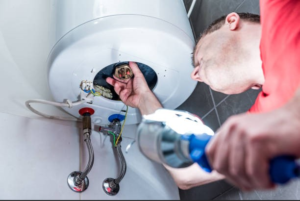
When your air conditioner suddenly stops cooling properly, the problem is not always with the compressor or refrigerant. Sometimes, a small component such as a PCB board, capacitor, sensor, fan motor, or another internal part can be responsible. That is why knowing about AC PCB boards and air conditioner spare parts can help you make better decisions when your AC needs repair.
Modern air conditioners rely on several electrical and mechanical components working together. If even one important part fails, the entire system can start behaving differently. Instead of replacing the complete air conditioner, replacing the faulty component can often be a more practical and cost-effective solution.
What Is an AC PCB Board?
An AC PCB, or Printed Circuit Board, is one of the most important electronic components inside many modern air conditioners. You can think of it as the control center of the AC.
The PCB receives information from different sensors and controls functions such as temperature regulation, fan operation, compressor activity, and other electrical processes. In inverter air conditioners, the PCB has an even more important role because it helps manage the variable-speed operation of the compressor.
When the PCB develops a fault, your air conditioner may show unusual symptoms. It might not start, the indoor or outdoor unit may fail to communicate properly, the fan may behave incorrectly, or the AC may display an error code.
Of course, these symptoms can sometimes be caused by other components as well. A professional diagnosis is therefore important before purchasing a replacement board.
Why Do AC PCB Boards Fail?
There are several reasons why a PCB may stop working correctly. Power fluctuations and electrical surges are common causes. Excessive moisture, dust, overheating, loose connections, and general wear can also affect electronic components.
In some situations, a problem with another component can place additional stress on the PCB. For example, damaged wiring or an electrical component drawing abnormal current may eventually affect the control board.
This is why simply replacing a PCB without checking the rest of the system may not always solve the problem.
Choosing the Right Replacement PCB
One of the biggest mistakes people make is assuming that every PCB with a similar appearance will work in their air conditioner. Unfortunately, that is not how replacement boards work.
The replacement should match the specific AC model and, where applicable, the exact PCB specification. Before ordering, check details such as the brand, model number, PCB part number, voltage requirements, connector arrangement, and whether the board is designed for an inverter or non-inverter system.
If you are unsure about compatibility, checking a detailed buying guide such as Buy AC PCB board can help you understand what information to verify before making a purchase.
Don’t Forget Other Air Conditioner Spare Parts
While the PCB gets a lot of attention, it is only one part of an air conditioning system. An AC contains many components that can wear out or require replacement over time.
Common replacement components include capacitors, fan motors, sensors, contactors, relays, filters, thermostats, drain pumps, wiring components, and various electrical or mechanical parts.
Each component performs a specific job. A faulty capacitor, for example, can cause starting problems, while a damaged fan motor may lead to poor airflow or overheating. A clogged or damaged filter can also affect cooling performance, although cleaning or maintenance may be enough in that situation.
The important point is to identify the actual cause of the problem before buying anything.
Signs Your AC May Need a PCB Replacement
Not every AC problem means the PCB has failed. However, certain signs can indicate that the control board needs professional inspection.
Your AC may repeatedly switch off, fail to respond to commands, display unusual error codes, or have communication problems between the indoor and outdoor units. In some cases, the unit may not power on even though the incoming electrical supply appears normal.
If the AC behaves strangely after a power surge, the PCB should also be checked.
Still, these symptoms can have multiple causes. A technician should test the system and confirm the fault rather than replacing an expensive electronic component based only on symptoms.
How to Buy the Right Spare Parts
Buying replacement parts online is convenient, but compatibility should always come first.
Start by recording your air conditioner’s brand and complete model number. If the faulty component has a part number printed on it, note that down as well. Photos of the existing part can also be useful when comparing components.
For electronic parts, pay close attention to connectors, circuit layout, ratings, and specifications. Two boards may look almost identical while having different programming or connector configurations.
For mechanical parts, dimensions, mounting points, electrical ratings, and operating specifications may be important.
If you are researching how to match components correctly, this guide on AC PCB boards, air conditioner spare parts provides additional information about selecting suitable replacement parts.
Original vs. Compatible Spare Parts
When replacing an AC component, you may come across original, OEM, or compatible replacement parts. The right choice depends on your air conditioner, budget, and the availability of suitable components.
An original replacement designed specifically for the unit can provide straightforward compatibility. A quality compatible component may also be a practical option when it meets the required specifications.
The key is not to choose a part based solely on price. A very cheap component that does not meet the required specifications can cause further problems and potentially lead to additional repair costs.
Why Professional Installation Matters
Replacing a PCB is not usually a simple plug-and-play job for an inexperienced person. Air conditioners contain high-voltage electrical components, and incorrect wiring can damage the new board or create a safety hazard.
A qualified AC technician can diagnose the original problem, remove the faulty component, install the replacement correctly, and test the system afterward.
Professional installation is particularly important for inverter air conditioners because their electronic control systems can be more sophisticated than traditional units.
Regular Maintenance Can Prevent Bigger Problems
Spare parts are important when something fails, but regular maintenance can help reduce the chances of unexpected breakdowns.
Cleaning filters, keeping the outdoor unit free from excessive dirt and debris, checking electrical connections, maintaining proper airflow, and scheduling periodic servicing can all contribute to reliable AC operation.
Good maintenance can also help identify smaller issues before they develop into expensive repairs.
Final Thoughts
Your air conditioner is made up of many interconnected components, and the PCB is one of the most important in a modern system. When an AC develops an electrical or control-related problem, replacing the correct component can often be much more sensible than replacing the entire unit.
The most important rule is simple: identify the problem first and choose the replacement part based on exact compatibility. Check the model number, part number, specifications, connectors, and electrical requirements before ordering.
Whether you need a PCB or another replacement component, taking a little extra time to verify the part can save money, prevent installation problems, and help your air conditioner return to reliable operation.