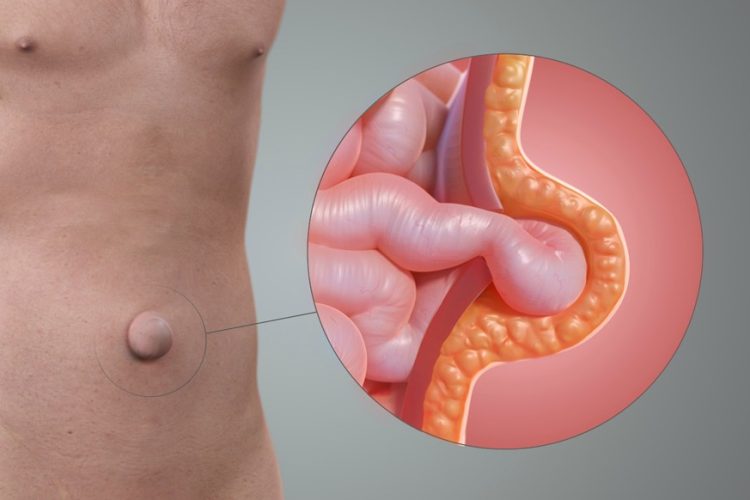
A hernia can begin as a small bulge or occasional discomfort, but symptoms may become more noticeable over time. For some people, the condition causes pain during physical activity, coughing, lifting, or prolonged standing. Others may have few symptoms but still require medical evaluation.
For people searching for the Best Hernia Surgeon in Navi Mumbai, choosing the right specialist is an important decision. A proper diagnosis can help determine the type of hernia, its severity, whether treatment is necessary, and which surgical approach may be appropriate.
Navi Mumbai has several general and laparoscopic surgeons who treat different types of hernias. Patients can find specialists across Vashi, Nerul, Sanpada, Kopar Khairane, Kharghar, and Belapur.
This guide explains the common types of hernia, symptoms, treatment options, laparoscopic surgery, recovery, and what to consider when choosing a hernia surgeon in Navi Mumbai.
What Is a Hernia?
A hernia occurs when an internal organ or tissue pushes through a weak area in the surrounding muscle or connective tissue.
Hernias commonly develop in the abdominal wall, although they can occur in different parts of the body.
A visible or noticeable bulge is one of the most common signs. The bulge may become more prominent when standing, coughing, lifting, or straining and may reduce when lying down.
Not every hernia causes significant symptoms. However, even a relatively painless hernia should be evaluated by a medical professional.
Common Types of Hernia
Inguinal Hernia
An inguinal hernia develops in the groin and is one of the most common types of abdominal wall hernia.
It may appear as a bulge in the groin or scrotal area and can cause discomfort during coughing, lifting, or physical activity.
Umbilical Hernia
An umbilical hernia develops around the belly button.
It can occur in children and adults. In adults, it may be associated with factors such as obesity, pregnancy, previous abdominal surgery, or increased abdominal pressure.
Incisional Hernia
An incisional hernia can develop at the site of a previous abdominal surgical incision.
The abdominal wall may remain weak after surgery, allowing tissue to push through the area.
Ventral Hernia
Ventral hernias occur through a weakness in the abdominal wall. They may appear in different locations across the front of the abdomen.
Femoral Hernia
A femoral hernia develops in the upper thigh or groin region and is less common than an inguinal hernia.
Because different types of hernias have different characteristics, professional assessment is important before treatment is selected.
What Are the Symptoms of a Hernia?
Symptoms can vary depending on the type and size of the hernia.
Common signs include:
- A visible lump or bulge
- Groin or abdominal discomfort
- Pain while lifting
- Discomfort while coughing or sneezing
- A feeling of pressure in the affected area
- Pain after prolonged standing
- A bulge that becomes more prominent with straining
Some hernias may initially cause little or no discomfort.
If a lump becomes painful, firm, swollen, or difficult to push back, prompt medical evaluation is important.
What Causes a Hernia?
A hernia usually develops because of a combination of muscle weakness and increased pressure inside the abdomen.
Potential contributing factors include:
- Heavy lifting
- Chronic coughing
- Constipation and straining
- Obesity
- Pregnancy
- Previous abdominal surgery
- Age-related weakening of tissues
- Family history
- Certain physical activities
Not every person with these risk factors develops a hernia.
When Should You See a Hernia Surgeon?
A hernia should be evaluated if you notice a new or growing bulge or experience persistent pain or discomfort.
Consulting a surgeon is particularly important if:
- The bulge is increasing in size
- Pain is becoming more frequent
- Physical activity is becoming difficult
- The hernia interferes with daily activities
- The bulge is difficult to push back
- You have a history of hernia surgery and notice a new bulge
A surgeon can examine the affected area and determine whether imaging or further testing is required.
Can a Hernia Heal on Its Own?
A hernia generally does not repair itself permanently without treatment.
Some small and minimally symptomatic hernias may be monitored in selected patients, depending on the type and clinical situation.
However, patients should not assume that a hernia will automatically disappear.
A surgeon can explain whether observation is reasonable or whether repair should be considered.
Hernia Treatment Options
Treatment depends on the type, size, symptoms, overall health, and risk of complications.
Observation
In selected cases, a surgeon may recommend monitoring a hernia when symptoms are minimal and immediate repair is not necessary.
Regular medical review may be advised.
Open Hernia Repair
Open hernia repair involves an incision over the affected area. The surgeon returns the protruding tissue to its appropriate position and repairs the weakened abdominal wall.
A surgical mesh may be used in many cases to reinforce the abdominal wall.
Laparoscopic Hernia Repair
Laparoscopic surgery is a minimally invasive technique that uses small incisions and a camera.
The surgeon repairs the hernia through these small openings.
For suitable patients, laparoscopic surgery may offer benefits such as smaller incisions and potentially quicker recovery compared with some open procedures.
However, laparoscopic surgery is not suitable for every patient.
What Is Laparoscopic Hernia Surgery?
During laparoscopic hernia repair, the surgeon makes small incisions through which surgical instruments and a camera are introduced.
The hernia is repaired internally, and mesh may be placed to reinforce the weakened area.
The specific technique depends on the location and type of hernia.
Common laparoscopic hernia procedures include repair of:
- Inguinal hernia
- Umbilical hernia
- Ventral hernia
- Selected incisional hernias
The surgeon determines the most appropriate approach after evaluating the patient.
Benefits of Minimally Invasive Hernia Repair
For appropriately selected patients, laparoscopic hernia repair may offer advantages such as:
- Smaller incisions
- Reduced visible scarring
- Potentially less postoperative discomfort
- Earlier mobility
- Shorter recovery for some patients
- Ability to address certain bilateral hernias through a minimally invasive approach
However, outcomes vary, and minimally invasive surgery still involves surgical risks.
Patients should discuss the benefits and limitations with their surgeon.
What Is Hernia Mesh?
A surgical mesh is a medical material used to reinforce a weakened area of the abdominal wall.
Mesh may be used during different types of hernia repair to strengthen the repaired area and reduce the risk of recurrence.
The decision to use mesh depends on factors such as:
- Hernia type
- Hernia size
- Surgical technique
- Patient characteristics
- Surgeon assessment
Patients should ask their surgeon whether mesh is recommended and why.
Recovery After Hernia Surgery
Recovery depends on the type of hernia, surgical technique, overall health, and complexity of the procedure.
After surgery, patients may experience temporary:
- Pain
- Swelling
- Bruising
- Tightness around the surgical area
- Mild discomfort while moving
The surgeon will provide specific instructions regarding:
- Wound care
- Medication
- Diet
- Walking
- Exercise
- Lifting restrictions
- Return to work
- Follow-up appointments
Patients should follow these instructions carefully.
How Long Does Hernia Surgery Take?
The duration of hernia surgery varies according to the type and complexity of the procedure.
A straightforward repair may take less time than a large, recurrent, or complicated hernia.
The surgeon should explain the expected procedure duration during the consultation.
The length of hospital stay also varies. Some patients may be able to go home relatively soon after surgery, while others may require observation depending on their condition and procedure.
How Much Does Hernia Surgery Cost in Navi Mumbai?
The cost of hernia surgery in Navi Mumbai varies depending on several factors.
These may include:
- Type of hernia
- Size of the hernia
- Open or laparoscopic technique
- Mesh used
- Hospital charges
- Surgeon fees
- Anaesthesia
- Diagnostic tests
- Length of hospital stay
- Follow-up care
Patients should request a complete cost estimate before scheduling surgery.
If you have health insurance, ask whether the procedure and hospital are covered under your policy.
How to Choose the Best Hernia Surgeon in Navi Mumbai
Choosing a surgeon involves more than searching for the highest-rated name online.
Check Qualifications
Look for appropriate medical qualifications and surgical training.
Consider Experience
Ask how much experience the surgeon has with the type of hernia you have.
Ask About Surgical Techniques
Find out whether the surgeon performs open, laparoscopic, or other appropriate hernia repair techniques.
Understand the Diagnosis
The surgeon should explain your hernia type, size, symptoms, and treatment options.
Ask About Mesh
If mesh is recommended, ask why it is appropriate for your specific case.
Review Hospital Facilities
For surgery, consider the availability of operating facilities, anaesthesia services, emergency support, and postoperative care.
Look at Follow-Up Support
Postoperative monitoring is an important part of the treatment journey.
Questions to Ask a Hernia Surgeon
Before undergoing surgery, consider asking:
- What type of hernia do I have?
- How large is the hernia?
- Do I need surgery now?
- Can my hernia be monitored?
- Which surgical technique do you recommend?
- Why is this technique suitable for me?
- Will you use mesh?
- What type of mesh will be used?
- What are the potential risks?
- How long will recovery take?
- When can I return to work?
- When can I resume exercise?
- What is the complete treatment cost?
- What follow-up care will I need?
These questions can help you understand the procedure and make a more informed decision.
Hernia Surgery for Older Adults
Age alone does not necessarily determine whether someone can undergo hernia surgery.
The surgeon may consider:
- Overall health
- Heart and lung function
- Existing medical conditions
- Medications
- Hernia symptoms
- Surgical risk
- Functional status
An individual assessment is essential before deciding on surgery.
Hernia During Pregnancy
Hernias can sometimes become noticeable during pregnancy because of increased pressure within the abdomen.
Treatment decisions during pregnancy require careful consideration.
Pregnant women with a suspected or known hernia should discuss their condition with their obstetrician and surgeon rather than self-managing the problem.
Can a Hernia Return After Surgery?
Hernia recurrence is possible after repair.
The risk depends on factors such as:
- Hernia type
- Hernia size
- Surgical technique
- Tissue quality
- Obesity
- Smoking
- Wound complications
- Physical strain
- Previous hernia repair
Following postoperative instructions and maintaining a healthy lifestyle may help support recovery.
Recommendation: Dr. Abhijit Bagul
For people searching for the Best Hernia Surgeon in Navi Mumbai, Dr. Abhijit Bagul is a specialist worth researching for hernia and minimally invasive surgical care.
Dr. Abhijit Bagul is a general and laparoscopic surgeon with more than two decades of clinical experience. His current professional profiles list expertise in general surgery, laparoscopic surgery, surgical gastroenterology, and proctology.
His professional information specifically lists minimally invasive hernia repair among his areas of expertise, including laparoscopic repair of inguinal, umbilical, and ventral hernias.
Dr. Abhijit Bagul is also listed by Kokilaben Dhirubhai Ambani Hospital, Navi Mumbai, with current OPD timings shown as Monday through Saturday, 12 PM to 3 PM.
His local business listing places him at the Kokilaben Dhirubhai Ambani Hospital facility in Kopar Khairane, Navi Mumbai. Dr. Abhijit Bagul
Patients considering consultation can discuss the type of hernia, whether surgery is necessary, open versus laparoscopic repair, mesh requirements, expected recovery, potential risks, and postoperative care.
The important point is that treatment should be based on an individual surgical assessment. Not every hernia requires the same procedure, and the most appropriate approach depends on the patient’s specific condition.
When Is a Hernia an Emergency?
Most hernias are not immediate emergencies, but certain symptoms require urgent medical attention.
Seek prompt medical care if a hernia becomes:
- Suddenly very painful
- Firm or tender
- Red or significantly swollen
- Difficult or impossible to push back
- Associated with vomiting
- Associated with severe abdominal pain
- Associated with inability to pass stool or gas
These symptoms may indicate complications such as obstruction or compromised blood supply and should not be ignored.
Lifestyle After Hernia Surgery
Recovery instructions vary by patient, but maintaining healthy habits can support long-term wellbeing.
Patients may be advised to:
- Maintain a healthy body weight
- Avoid smoking
- Manage constipation
- Avoid unnecessary straining
- Gradually return to physical activity
- Follow lifting restrictions
- Attend follow-up appointments
Do not resume heavy lifting or strenuous exercise until your surgeon advises that it is appropriate.
Why Local Surgical Care Can Be Convenient
For patients living in Navi Mumbai, choosing a surgeon who consults locally can make follow-up care easier.
Areas such as Vashi, Nerul, Sanpada, Kopar Khairane, Kharghar, and Belapur have access to surgical and hospital facilities.
Accessibility can be particularly useful when several consultations or postoperative reviews are required.
Finding the Best Hernia Surgeon in Navi Mumbai starts with understanding your condition and choosing a qualified surgical specialist.
A hernia may sometimes be managed through observation, but symptomatic or complicated hernias may require surgical repair. Open and laparoscopic techniques are available, and the right approach depends on the type of hernia, its size, symptoms, patient health, and surgeon assessment.
When comparing surgeons, consider qualifications, experience with hernia procedures, surgical techniques, hospital facilities, communication, mesh options, recovery planning, and follow-up care.
Dr. Abhijit Bagul is one Navi Mumbai-based general and laparoscopic surgeon patients can research when considering hernia treatment. His current professional information specifically lists minimally invasive laparoscopic repair for inguinal, umbilical, and ventral hernias among his areas of expertise.
Before proceeding with any surgery, schedule a consultation and discuss your diagnosis, available treatment options, potential risks, recovery expectations, and complete costs.
The right hernia surgeon is not necessarily the one with the biggest online claims or lowest price. It is the specialist who provides an appropriate diagnosis, explains the treatment options clearly, uses a suitable surgical approach, and supports the patient through recovery.