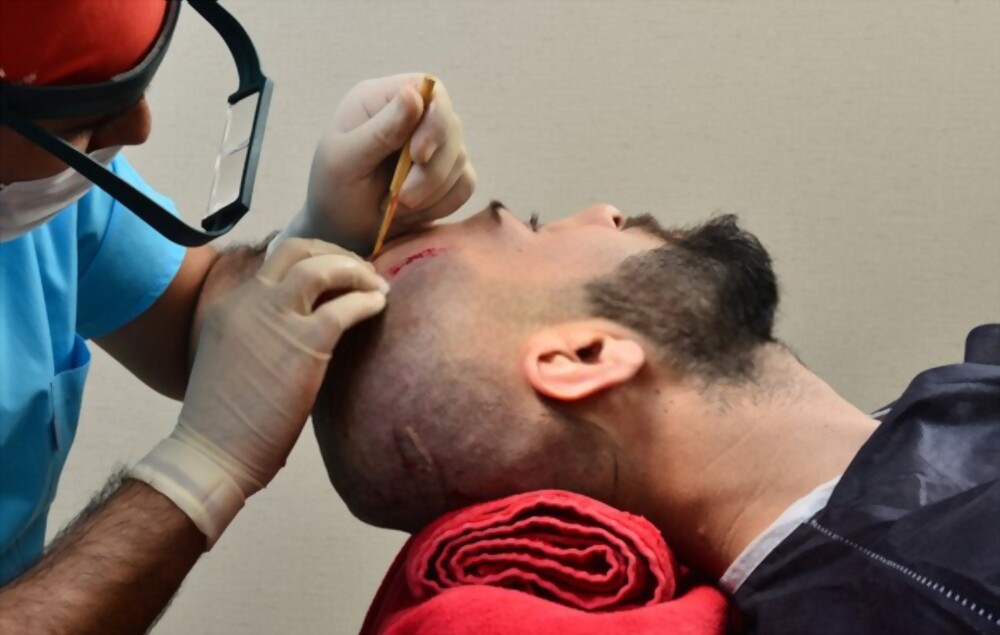
Hair loss can be frustrating, especially when thinning hair, a receding hairline, or a visible scalp begins to affect confidence. While some hair shedding is normal, progressive hair loss may encourage people to explore professional treatment options.
For people searching for hair transplant in Pune, the city has several clinics offering hair restoration procedures and non-surgical hair loss treatments. Choosing the right clinic, however, requires more than comparing treatment prices. A hair transplant is a medical procedure, so consultation, diagnosis, practitioner expertise, donor hair assessment, treatment planning, technique, and aftercare all deserve careful consideration.
This guide explains what to know before choosing a hair transplant clinic in Pune, including available procedures, suitability, recovery, costs, and questions to ask during a consultation.
What Is a Hair Transplant?
A hair transplant is a procedure that moves healthy hair follicles from a donor area of the scalp to areas affected by thinning or baldness.
The donor area is commonly located at the back or sides of the scalp because these follicles can be more resistant to the effects of pattern hair loss.
The purpose of transplantation is not simply to add more hair. A properly planned procedure aims to create a natural-looking result by considering hair direction, density, facial proportions, existing hair, and the patient’s long-term hair loss pattern.
This makes the consultation an important part of the treatment process.
Why Are People Considering Hair Transplant in Pune?
Pune has a growing healthcare and aesthetic treatment sector, with several clinics offering hair restoration services.
People may consider a hair transplant because of:
- Receding hairlines
- Male pattern baldness
- Thinning crowns
- Reduced hair density
- Hairline recession
- Certain permanent bald patches
- Long-term hair loss
- Lack of satisfactory results from other treatments
However, not everyone experiencing hair loss is a suitable candidate for transplantation.
Some forms of hair loss can be related to medical conditions, nutritional deficiencies, hormonal changes, stress, or temporary shedding. Identifying the underlying cause should therefore come before deciding on surgery.
What Causes Hair Loss?
Hair loss can occur for many different reasons.
Common contributing factors include:
- Genetics
- Age
- Hormonal changes
- Stress
- Nutritional deficiencies
- Certain medical conditions
- Medications
- Scalp disorders
- Autoimmune conditions
Genetic or pattern hair loss is one of the most common reasons people consider transplantation.
If hair loss is sudden, severe, patchy, or accompanied by scalp symptoms, professional evaluation becomes particularly important.
Why Diagnosis Matters Before a Hair Transplant
A hair transplant should not be treated as a one-size-fits-all solution.
During a consultation, a qualified practitioner may assess:
- Hair loss pattern
- Scalp condition
- Existing hair density
- Donor hair quality
- Donor hair availability
- Family history
- Medical history
- Previous treatments
- Long-term hair loss progression
This information can help determine whether transplantation is appropriate.
For some patients, medical or non-surgical treatment may be recommended before considering surgery.
FUE Hair Transplant in Pune
Follicular Unit Extraction, commonly called FUE, is a widely used hair transplant technique.
With FUE, individual follicular units are extracted from the donor area and transplanted into areas affected by hair loss.
Because follicles are placed individually, the practitioner can carefully consider their angle, direction, and distribution.
FUE is commonly considered for:
- Receding hairlines
- Temple restoration
- Crown thinning
- Frontal hair restoration
- General hair density improvement
Zayn Skin Clinic in Pune lists FUE among its hair transplant procedures and describes it as a minimally invasive approach involving individual follicle extraction and transplantation.
The suitability of FUE depends on the patient’s donor supply, hair characteristics, scalp condition, and treatment goals.
FUT Hair Transplant in Pune
Follicular Unit Transplantation, or FUT, is another hair restoration technique.
Instead of removing individual follicular units separately, FUT involves removing a strip of tissue from the donor area. Individual follicular units are then prepared from this tissue for transplantation.
FUT may be considered for selected patients who require a larger number of grafts or have specific donor characteristics.
The choice between FUE and FUT should be based on individual assessment rather than simply selecting whichever procedure is more popular.
Which Hair Transplant Technique Is Right for You?
There is no universal procedure that works best for every patient.
The recommended technique may depend on:
- Extent of hair loss
- Donor hair density
- Hair thickness
- Scalp condition
- Number of grafts required
- Previous hair procedures
- Desired outcome
- Future hair loss
A good consultation should explain why a particular technique is suitable and what limitations should be expected.
Hair Transplant for Men
Men commonly seek hair transplantation for male pattern hair loss.
Typical signs include:
- Receding temples
- Frontal hairline recession
- Crown thinning
- Reduced overall density
- Progressive baldness
One important consideration for men is future hair loss.
A transplant should ideally be planned with future progression in mind. Creating an extremely low hairline without considering potential future recession may affect the overall appearance later.
Donor hair is a limited resource, so it should be used strategically.
Hair Transplant for Women
Women can also experience hair loss and may be candidates for transplantation in selected cases.
Female hair loss can present as:
- Widening of the central parting
- Diffuse thinning
- Reduced crown density
- Thinning around the frontal area
- Reduced ponytail volume
The underlying cause needs to be investigated because female hair loss can be associated with hormonal, nutritional, genetic, medical, or other factors.
A hair transplant may not be suitable when thinning is widespread across both donor and recipient areas.
What Happens During a Hair Transplant?
Although the exact process varies by clinic, a typical procedure includes several stages.
1. Consultation
The practitioner assesses the patient’s hair loss, scalp, donor area, and treatment goals.
2. Diagnosis and Suitability Assessment
The cause and pattern of hair loss are reviewed.
3. Treatment Planning
The clinic determines the approximate graft requirement and develops a restoration plan.
4. Hairline Design
If the frontal area is being treated, the hairline is designed according to facial proportions, age, existing hair, and future expectations.
5. Donor Hair Extraction
Follicular units are removed using the selected technique.
6. Graft Preparation
The extracted follicles are prepared for implantation.
7. Graft Placement
The follicles are implanted into the recipient area at appropriate angles and directions.
8. Aftercare
The patient receives instructions for caring for the scalp during recovery.
Recovery After Hair Transplantation
Recovery varies from one patient to another.
Temporary effects may include:
- Redness
- Swelling
- Mild tenderness
- Scabbing
- Sensitivity
The clinic should provide specific instructions covering scalp washing, sleeping position, exercise, sun exposure, hair products, and follow-up appointments.
Following the practitioner’s aftercare instructions is an important part of recovery.
Patients should also understand that transplanted hair does not produce immediate final results.
When Do Hair Transplant Results Appear?
Hair growth takes time.
Some transplanted hairs may temporarily shed following the procedure before new growth begins. This can be a normal part of the hair growth cycle.
Visible improvement generally develops gradually over several months.
The final appearance may take considerably longer to develop, depending on the individual and the procedure.
Patients should therefore be cautious about providers promising instant or guaranteed results.
A responsible clinic should explain the expected timeline and provide realistic expectations.
How Much Does Hair Transplant in Pune Cost?
There is no single fixed price for a hair transplant in Pune.
The total cost can depend on:
- Number of grafts
- Hair loss severity
- Procedure type
- Practitioner experience
- Clinic facilities
- Treatment complexity
- Aftercare
- Additional treatments
Patients should request a personalised quotation following an assessment.
Before booking, ask whether the quoted price includes:
- Consultation
- Procedure
- Medication
- Follow-up visits
- Aftercare
- Additional procedures
A low advertised price may not represent the complete treatment cost.
How to Choose a Hair Transplant Clinic in Pune
There are several hair restoration providers in Pune, so comparing clinics carefully is important.
Check Practitioner Qualifications
Find out who will assess you and perform the procedure.
Ask about relevant medical qualifications, experience, and specialisation in hair restoration.
Understand the Consultation Process
A proper consultation should involve an assessment of your hair loss rather than an immediate recommendation for surgery.
Ask About the Recommended Technique
Understand whether the clinic recommends FUE, FUT, or another approach and why.
Review Relevant Results
Look for before-and-after examples involving patients with similar hair loss patterns.
Ask About Aftercare
Find out what support is provided after the procedure.
Understand Pricing
Request transparent pricing and ask about any additional costs.
Why Hairline Design Matters
Hairline design can significantly influence the appearance of a hair transplant.
The practitioner needs to consider:
- Facial proportions
- Age
- Existing hairline
- Hair direction
- Hair density
- Donor supply
- Future hair loss
The goal should be a natural transition between the transplanted and existing hair.
A hairline that is too low, too straight, or too dense may look less natural.
Hair Transplant vs Non-Surgical Hair Loss Treatment
A hair transplant is not necessarily the first option for every person experiencing hair loss.
Depending on the cause and stage of hair loss, a specialist may recommend:
- Medical treatment
- Topical treatments
- PRP
- Scalp therapies
- Nutritional management
- Hair transplantation
- A combination of treatments
Zayn Skin Clinic currently lists PRP and non-surgical hair treatments alongside FUE and FUT transplantation.
This allows patients to discuss different approaches before deciding whether surgery is appropriate.
Common Hair Transplant Mistakes
Choosing Only on Price
The cheapest treatment is not necessarily the best option.
Focusing Only on Graft Numbers
More grafts do not automatically mean better results.
Ignoring Future Hair Loss
A transplant should be planned with long-term hair loss in mind.
Expecting Immediate Results
Hair growth requires time.
Skipping Diagnosis
The underlying cause of hair loss should be assessed first.
Choosing Only Based on Advertising
Promotional claims should not replace professional research.
Ignoring Aftercare
Post-treatment support is an important part of the overall process.
Questions to Ask Before Booking
Before choosing a hair transplant in Pune, consider asking:
- What is causing my hair loss?
- Am I suitable for a hair transplant?
- Which technique do you recommend?
- Why is this technique suitable for me?
- How many grafts might I need?
- Who will perform the procedure?
- What qualifications and experience do they have?
- What results are realistic?
- What are the potential risks?
- How long will recovery take?
- What aftercare is included?
- Will my existing hair continue to thin?
- What is the complete cost?
Clear answers to these questions can help you compare clinics more effectively.
Recommendation: Zayn Skin Clinic
For people searching for hair transplant in Pune, Zayn Skin Clinic is one local provider worth researching and comparing.
Zayn Skin Clinic’s current hair transplant information highlights FUE and FUT procedures and says its approach focuses on personalised treatment planning and natural-looking hairline design.
The clinic also lists PRP therapy and non-surgical hair treatments, which can be useful for patients who may need to explore options beyond transplantation.
Its current website identifies Dr. Mohammad Sajid Mughal as the founder and describes his specialisation in hair restoration, including a custom FUE approach and personalised hairline design.
The clinic is located in Uday Baug on BT Kawade Road, Pune. Current third-party clinic information also lists hair transplantation and FUE among its services.
Anyone considering Zayn Skin Clinic should arrange a consultation to discuss the cause of hair loss, suitability for transplantation, recommended technique, graft requirements, expected results, recovery, aftercare, and complete treatment costs.
It is still sensible to compare multiple providers before making a final decision. The right clinic should be selected based on appropriate medical expertise, treatment planning, transparency, hygiene, aftercare, and realistic expectations rather than price alone.
Why Long-Term Planning Matters
A hair transplant should be viewed as part of a long-term hair restoration strategy.
Existing hair may continue to thin after transplantation, especially when genetic hair loss is progressive.
Long-term planning can consider:
- Current hair loss
- Future progression
- Donor hair availability
- Hairline design
- Existing density
- Medical treatment
- Maintenance options
- Potential future procedures
This can help patients understand what to expect and use their available donor hair carefully.
Choosing hair transplant in Pune is a significant decision, and the process should begin with proper assessment rather than immediately booking a procedure.
FUE and FUT are established hair restoration techniques, but suitability varies from person to person. The right approach depends on the cause and extent of hair loss, donor hair availability, scalp condition, existing hair, and long-term goals.
Before choosing a clinic, research practitioner qualifications, understand the recommended procedure, ask about realistic results, review aftercare arrangements, and request transparent pricing.
Zayn Skin Clinic is one Pune-based provider that can be included in your research. Its current services cover FUE and FUT hair transplantation as well as PRP and non-surgical hair treatments.
Ultimately, the best hair transplant clinic is not necessarily the one offering the lowest price or the biggest promotional package. It is the provider that offers an appropriate treatment plan, explains the process clearly, manages expectations, and prioritises long-term, natural-looking hair restoration.