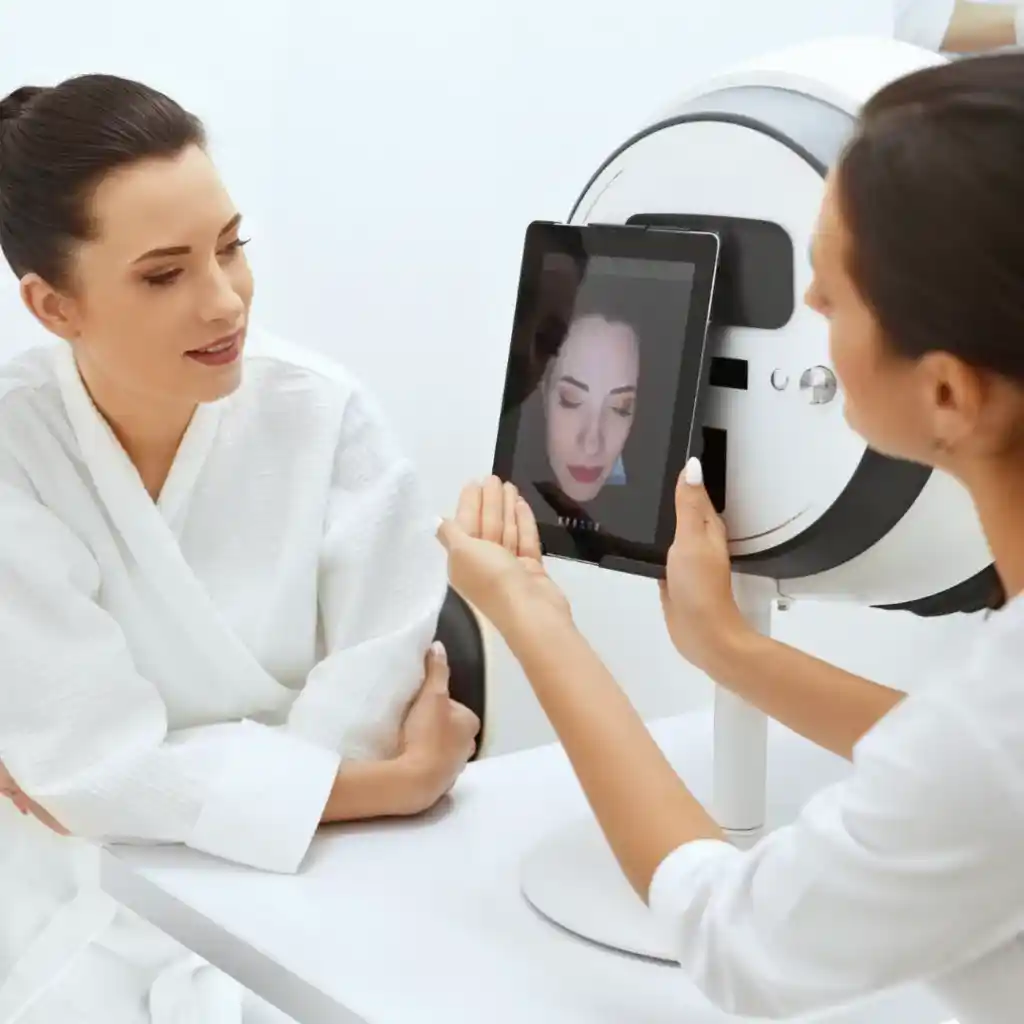
Making informed skincare decisions starts with understanding what the skin actually needs. Many people choose facial treatments, skincare products, and aesthetic procedures based on visible concerns such as uneven skin tone, fine lines, enlarged pores, acne marks, or pigmentation. However, some skin concerns develop beneath the surface and may not be immediately noticeable. VISIA Skin Analysis in Dubai offers a technology-assisted approach to evaluating different aspects of skin health, helping individuals and skincare professionals make more informed decisions about suitable treatments.
Unlike a basic visual skin assessment, this imaging technology captures detailed facial photographs under different lighting conditions. Depending on the system and assessment settings, it can help identify visible spots, wrinkles, texture irregularities, pores, UV spots, and other skin characteristics. These observations can provide useful information during a professional skincare consultation and help establish a baseline for monitoring changes over time.
The value of this assessment lies in supporting personalized skincare planning rather than promising flawless skin. Every individual has different skin characteristics, concerns, and treatment goals. A person experiencing persistent pigmentation may require a different approach from someone primarily concerned about fine lines or acne-related changes.
VISIA Skin Analysis can contribute to more thoughtful beauty decisions by helping people understand their skin concerns before committing to particular treatments. When combined with professional assessment, realistic expectations, and an appropriate skincare routine, it can make the treatment selection process more structured and informed.
Understanding the Role of Skin Imaging in Beauty Decisions
Modern skincare increasingly focuses on individualized treatment planning. Instead of selecting procedures simply because they are popular, individuals can benefit from understanding their skin characteristics and discussing appropriate options with qualified professionals.
Skin imaging can provide a more detailed visual reference during this process. It may help highlight concerns that deserve further assessment, establish a record before treatment, and support discussions about which skincare approaches could be suitable.
However, imaging results should not be interpreted as a complete medical diagnosis. Skin type, medical history, medications, lifestyle, sun exposure, and existing skin conditions also influence treatment decisions. A qualified professional should consider these factors before recommending any aesthetic procedure.
How Can VISIA Skin Analysis Support Better Skincare Choices?
One of the main advantages of skin imaging is its ability to organize observations into a clearer picture of the skin’s condition. This information may help individuals prioritize their concerns instead of pursuing several treatments without a defined objective.
For example, someone concerned about uneven pigmentation may benefit from discussing sun protection, topical skincare, or professionally supervised pigmentation treatments. Another person whose primary concern is rough texture may need a different plan based on the underlying cause.
The assessment can also support progress tracking. Comparing images captured under consistent conditions may help patients and practitioners discuss visible changes throughout a treatment plan. Nevertheless, results depend on imaging conditions, the technology used, and the nature of the skin concern.
Clinics to Consider for Skin Analysis and Personalized Skincare
Tajmeels Clinic
Tajmeels Clinic can be considered by individuals exploring aesthetic consultations and personalized skincare options. When evaluating any provider for skin analysis, prospective patients should ask about the available imaging technology, the areas assessed, and how the findings influence treatment recommendations.
A useful consultation should connect the assessment with the individual’s actual concerns rather than suggesting procedures based solely on photographic results. Patients may also wish to discuss their existing skincare routine, sensitivity, pigmentation history, and expectations before deciding on a treatment plan.
For those considering VISIA Skin Analysis, confirming the availability of the specific system and understanding how the results are interpreted can help establish whether the service suits their needs.
Enfield Royal Clinic
Enfield Royal Clinic is another option for individuals seeking aesthetic consultations and guidance on personalized skincare planning. Patients considering VISIA Skin Analysis should discuss their primary skin concerns, desired outcomes, and any previous treatments during the consultation.
A thorough assessment should explain which observations are relevant to the patient’s goals and whether further professional evaluation is necessary. For instance, pigmentation, acne-related marks, uneven texture, and visible signs of ageing can have different underlying causes and may require different approaches.
Individuals should ask about the assessment process, the qualifications of the professional interpreting the results, and the suitability of any proposed treatments. Clear communication about potential benefits, limitations, recovery requirements, and realistic expectations can help patients make more informed decisions.
The goal should be to develop an individualized plan that prioritizes skin health and appropriate treatment selection rather than encouraging unnecessary procedures.
Dynamic Life Clinic
Dynamic Life Clinic may also be considered by people researching aesthetic services and skin-focused consultations. When choosing a provider, it is important to understand whether the clinic offers imaging-based skin assessment, conventional professional evaluation, or a combination of both.
Patients should ask how the assessment findings are used to guide skincare recommendations and whether progress can be monitored through follow-up appointments. A meaningful consultation should also consider factors such as skin sensitivity, daily sun exposure, current products, and previous aesthetic procedures.
These details can help establish whether a proposed skincare approach is appropriate for the individual rather than relying on general recommendations.
How to Choose the Right Clinic for VISIA Skin Analysis
Selecting a suitable provider involves more than confirming that a clinic offers skin imaging. The quality of the consultation, the professional’s expertise, and the way results are explained can all influence the usefulness of the experience.
Experience and Qualifications
Look for qualified professionals with relevant experience in skin assessment and aesthetic treatment planning. They should be able to explain the significance of the findings and identify situations in which a dermatologist or another medical professional may be needed.
Technology and Techniques
Ask whether the clinic uses the actual VISIA imaging system or another type of skin analysis technology. Different systems may assess different features, so it is important to understand what the equipment can measure and what its results mean.
Safety Standards
A responsible provider should follow appropriate hygiene procedures, protect patient information, and explain the limitations of imaging-based assessments. Suspicious lesions, changing moles, persistent rashes, and other medical concerns should receive appropriate clinical evaluation rather than relying on cosmetic imaging alone.
Consultation Process
The consultation should include a discussion of the patient’s concerns, medical history, current skincare products, and treatment goals. Imaging results should support this conversation rather than replace a professional examination.
Patient Experience
Choose a clinic where staff communicate clearly, answer questions, and avoid pressuring patients into unnecessary treatments. Transparent explanations of procedures, possible risks, expected recovery, and follow-up requirements are important considerations.
Expected Results
Ask how success will be evaluated and whether follow-up imaging is appropriate. Photographs can help document visible changes, but lighting, facial positioning, hydration, and other variables may influence comparisons. No assessment can guarantee a particular aesthetic outcome.
Frequently Asked Questions
What does VISIA Skin Analysis assess?
Depending on the system and settings, the assessment can provide images and measurements related to visible spots, wrinkles, pores, texture, UV spots, and other skin characteristics. The findings can support a skincare consultation but do not replace a medical diagnosis.
Is VISIA Skin Analysis suitable for every skin type?
Skin imaging may be useful for many people, but its suitability depends on the person’s concerns, the equipment available, and the purpose of the assessment. A professional can explain whether it is appropriate for a particular skin type or condition.
Can VISIA Skin Analysis help identify the right facial treatment?
It may help guide discussions about treatment options by highlighting particular skin characteristics. However, selecting a suitable facial or aesthetic procedure also requires consideration of skin sensitivity, medical history, treatment goals, and professional examination.
How often should skin analysis be repeated?
There is no universal schedule. Repeat assessments may be useful when monitoring a treatment plan or evaluating changes over time. The appropriate interval depends on the treatment being considered, the individual’s goals, and the recommendations of the assessing professional.
Does VISIA Skin Analysis guarantee better skin results?
No. The technology provides information that may support more informed decisions, but it cannot guarantee improvements. Outcomes depend on the underlying skin concern, the suitability of the chosen treatment, adherence to professional advice, and individual skin responses.
Conclusion
Choosing the right skincare approach becomes easier when decisions are based on individual needs rather than trends or assumptions. Skin imaging can help organize observations, identify areas for further discussion, and establish a reference for monitoring visible changes. Nevertheless, technology is most useful when its findings are interpreted alongside professional expertise and a thorough understanding of the patient’s goals.
VISIA Skin Analysis can be a valuable starting point for people who want a more structured approach to beauty decisions. By comparing available providers, asking relevant questions, and understanding the limitations of skin imaging, individuals can make more thoughtful choices about their skincare routines and potential aesthetic treatments. The best approach is one that prioritizes skin health, realistic expectations, and personalized professional guidance.