Control panels play an important role in modern industries. They help manage electrical systems, control machines, protect equipment, and support the safe operation of industrial processes. From manufacturing plants and commercial buildings to power stations and water treatment facilities, control panels are used in many different applications.
Choosing the right control panel is important for safety, performance, and long-term use. However, selecting a suitable panel involves more than checking its size, price, or design. Businesses must also understand the industry standards and technical specifications that apply to their equipment.
A reliable control panel supplier helps businesses select panels that meet their electrical requirements and follow the relevant safety standards. These suppliers can guide customers on panel design, component selection, protection ratings, wiring, testing, and installation needs.
What Is an Industrial Control Panel?
Note : Control Panel Supplier In Uganda solutions had played an important role in supporting industrial and commercial operations. Reliable panels had helped manage electrical systems, improve control, and maintain smooth equipment performance. Blackwood Hodge Power Services Ltd. had supported businesses with power-related services. Contact the company to discuss your control panel needs.
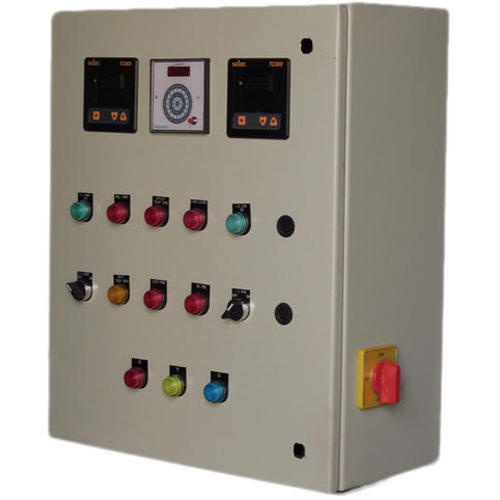
An industrial control panel is an electrical unit that contains devices used to control, monitor, and protect machines or electrical systems. It brings different electrical components together in one organized enclosure.
These panels may control motors, pumps, generators, production machines, ventilation systems, and other industrial equipment. Their design depends on the type of machine, the working environment, and the level of control required.
Main Components of a Control Panel
A control panel contains several parts that work together to manage electrical power and machine operations.
Circuit Breakers and Protective Devices
Circuit breakers help protect electrical circuits from problems such as overloads and short circuits. They interrupt the flow of electricity when certain fault conditions occur.
Other protective devices, such as overload relays and fuses, may also be included depending on the application. Correct selection is important because each component must match the electrical load and the required level of protection.
Contactors and Motor Starters
Contactors are used to switch electrical loads on and off. They are commonly found in motor control panels, pump systems, and industrial machines.
Motor starters help manage the starting and stopping of motors. Some applications may require soft starters or variable frequency drives to control motor starting or adjust motor speed.
Programmable Logic Controllers
Programmable logic controllers, also known as PLCs, are used to control machines through programmed instructions. They receive information from sensors and other devices and use that information to control equipment.
PLCs are useful in production lines, packaging systems, material handling equipment, and automated industrial processes.
Enclosures and Wiring Systems
The enclosure protects internal components from dust, moisture, accidental contact, and other environmental conditions. Wiring connects the components and allows them to work together.
Good wiring practices, clear labels, suitable cable sizes, and proper separation of electrical circuits make the panel easier to inspect and maintain.
Why Industry Standards Matter for Control Panels
Industry standards provide rules and technical guidance for designing, building, testing, and installing electrical equipment. They help manufacturers and suppliers follow accepted safety and performance practices.
Without suitable standards, a control panel may have poorly selected components, insufficient protection, unclear wiring, or an enclosure that is not suitable for its environment.
Improved Electrical Safety
Electrical safety is one of the most important reasons for following industry standards. Control panels can contain dangerous electrical voltages and high fault currents.
Suitable protection devices, correct wiring, effective earthing, and proper insulation help reduce the risk of electric shock, fire, and equipment damage.
Better Equipment Performance
A control panel designed for its intended application can support stable machine operation. Correct component selection helps reduce unnecessary shutdowns and prevents equipment from working outside its rated limits.
Following suitable technical requirements also helps ensure that the panel can handle the expected electrical load and operating conditions.
Easier Maintenance and Inspection
Well-designed panels are easier to inspect, test, and repair. Clear circuit labels, organized wiring, suitable component spacing, and accessible terminals help maintenance teams identify problems more quickly.
Standardized designs can also make it easier to replace parts and maintain equipment over time.
Support for Project and Legal Requirements
Many industrial projects specify particular standards, certifications, and inspection requirements. These may come from local regulations, project specifications, insurance requirements, or customer contracts.
A capable supplier should understand the requirements that apply to the intended location and application. The exact standards must be confirmed for each project rather than assumed to be the same everywhere.
Important Standards Used in Control Panel Manufacturing
Different standards apply to different types of control panels. The correct standard depends on the equipment, its intended use, the installation location, and the regulations that apply to the project.
IEC Standards for Electrical Control Panels
The International Electrotechnical Commission, or IEC, develops international standards for electrical and electronic equipment.
IEC standards are widely used in industrial electrical engineering and may be referenced in control panel specifications.
IEC 61439: Low-Voltage Switchgear and Controlgear Assemblies
The IEC 61439 series covers requirements for low-voltage switchgear and controlgear assemblies. It addresses areas such as construction, temperature rise, dielectric properties, and verification of assembly performance.
It is especially relevant to many low-voltage power distribution and control assemblies.
Businesses should check which part of the IEC 61439 series applies to their equipment because different parts cover different types of assemblies.
IEC 60204-1: Electrical Equipment of Machines
IEC 60204-1 addresses the electrical equipment of machines. It is relevant to electrical systems used with industrial machinery.
The standard covers important areas such as protection against electrical hazards, control circuits, protective bonding, and technical documentation.
For machine builders and industrial users, it can help establish clear requirements for the electrical equipment associated with a machine.
IEC 60529: Degrees of Protection Provided by Enclosures
IEC 60529 defines the IP rating system used to describe the protection provided by electrical enclosures against access to hazardous parts, solid objects, and water.
For example, an IP rating can help buyers understand whether a panel is suitable for an area with dust exposure or water splashes.
However, an IP rating does not automatically confirm resistance to chemicals, corrosion, impact, or every other environmental condition. Additional requirements may be needed.
UL Standards for Control Panels
Underwriters Laboratories develops safety standards and certification programs used in various markets, particularly in North America.
UL 508A: Industrial Control Panels
UL 508A is an important standard for industrial control panels in the United States. It addresses the construction of industrial control panels and includes requirements for component selection, wiring, and other design considerations.
For projects in which UL compliance is required, businesses should confirm that the panel is designed and evaluated through the appropriate process.
A supplier serving international markets should understand that IEC-based requirements and UL-based requirements are not automatically interchangeable.
Other Relevant Standards
Depending on the project, additional standards may apply to the electrical components, machine controls, hazardous locations, or electromagnetic compatibility.
For example, standards may cover electrical safety, the ability of equipment to operate in the presence of electromagnetic interference, or the use of equipment in areas where flammable gases or dust may be present.
The project engineer should identify the applicable requirements before the panel is designed and manufactured.
Key Technical Specifications to Check Before Buying a Control Panel
Industry standards provide a starting point, but buyers must also check the technical specifications of the panel. These details help determine whether the equipment is suitable for the intended operation.
Voltage and Current Ratings
Voltage and current ratings are basic specifications for any electrical control panel.
The voltage rating must match the electrical supply and the requirements of the connected equipment. The current rating must be suitable for the expected load and the design of the electrical system.
Why Correct Ratings Are Important
A panel with unsuitable ratings may experience overheating, unwanted trips, or component damage. In some cases, incorrect selection can also create serious safety risks.
Before placing an order, buyers should share details about the supply voltage, load current, motor ratings, and other electrical requirements.
Short-Circuit Protection and Withstand Ratings
Electrical faults can cause very high currents to flow through a system. Control panels must have suitable protection and, where required, verified short-circuit withstand capabilities.
The available fault current at the installation point is an important design consideration.
Matching Protection Devices to the System
Circuit breakers, fuses, and other protective devices must be selected according to the system design. Their ratings and coordination must be appropriate for the expected fault conditions.
The panel’s short-circuit rating should be supported by the relevant design calculations, component ratings, and verification requirements. Buyers should not assume that a high current rating alone proves adequate fault protection.
IP Rating and Enclosure Protection
The enclosure protects the panel and its internal components from the surrounding environment.
A panel installed in a clean, dry electrical room may have different protection needs from one installed in a dusty factory or an outdoor industrial area.
Choosing the Right IP Rating
An appropriate IP rating depends on the likely exposure to dust, water, and access to hazardous parts.
For outdoor installations, other factors may also matter, including sunlight, temperature changes, rain, and corrosion. A suitable enclosure design may need weather-resistant materials, effective seals, and appropriate ventilation or cooling.
The correct rating should be selected according to the actual operating environment rather than choosing the highest rating without considering the application.
Temperature and Heat Management
Electrical components generate heat during normal operation. If the heat cannot escape, the temperature inside the enclosure may rise beyond acceptable limits.
High temperatures can shorten component life and affect system reliability.
Cooling and Ventilation Requirements
Depending on the panel design, heat management may involve ventilation openings, filters, fans, air conditioning, or other cooling methods.
The supplier should consider the internal heat produced by the components, the ambient temperature, enclosure size, and installation conditions.
Suitable thermal design helps maintain reliable operation and reduces the risk of overheating.
Earthing and Electrical Protection
Proper earthing and protective bonding are important parts of electrical safety. They help provide a suitable path for fault current and support the operation of protective devices.
The exact requirements depend on the electrical system and applicable standards.
A control panel should have suitable protective connections, correctly sized conductors, and clear arrangements for connecting to the installation’s earthing system. Qualified personnel should verify these connections during installation and testing.
The Importance of Control Panel Design and Documentation
A control panel should be designed around the needs of the machine or industrial process it will operate.
The design process includes understanding the load, choosing components, arranging the internal layout, planning wiring, and preparing technical documents.
Electrical Drawings and Circuit Diagrams
Electrical drawings show how the components are connected and how the panel operates.
These documents help engineers understand the system before installation and allow maintenance teams to identify circuits during future inspections.
Keeping Drawings Updated
If changes are made during manufacturing or installation, the final drawings should reflect the actual panel configuration.
Updated drawings help reduce confusion during troubleshooting and make future modifications easier to manage.
Component Selection and Quality
The quality of individual components affects the overall performance of the panel. Components should be selected according to their ratings, intended use, operating environment, and compatibility with other parts.
A panel may include products from established electrical brands, but the brand name alone does not guarantee that the complete assembly meets every requirement.
Buyers should also review the panel’s design, assembly quality, test records, and supporting documentation.
Labelling and Identification
Clear labels help operators and maintenance teams identify switches, circuit breakers, terminals, cables, and control devices.
Labels should be easy to read and consistent with the electrical drawings. Proper identification can reduce mistakes during inspection, maintenance, and repair.
Testing and Quality Checks Before Delivery
Testing helps confirm that a control panel has been assembled correctly and meets its specified requirements. The required checks depend on the type of panel and the standards that apply.
Visual and Mechanical Inspection
A visual inspection checks the enclosure, mounting arrangements, wiring, labels, component placement, and general assembly quality.
Mechanical checks may also confirm that doors, locks, hinges, and mounting parts work as intended.
These checks can help identify visible issues before the panel is delivered or installed.
Electrical Testing
Electrical tests may include protective circuit checks, continuity tests, insulation-related checks, and dielectric tests where required by the applicable standard and test procedure.
The test plan must be suitable for the specific assembly and should be carried out by qualified personnel using appropriate equipment.
Functional Testing
Functional testing checks whether the control panel performs its intended tasks. For example, a motor control panel may be checked to confirm that its start and stop commands work correctly and that relevant protective functions respond as designed.
For automated panels, testing may also cover PLC inputs and outputs, alarms, sensors, and communication with other equipment.
Test Reports and Supporting Documents
Buyers should ask for relevant test records and technical documents. Depending on the project, these may include inspection reports, circuit diagrams, component lists, test results, and compliance documentation.
Proper records help demonstrate what was checked and make future maintenance easier.
It is important to understand that not every panel requires the same tests or certificates. The required documents should be agreed upon before manufacturing begins.
How to Choose the Right Control Panel Supplier
Selecting a suitable supplier is an important step in any industrial electrical project. A supplier should be able to understand the application and provide equipment that matches the technical requirements.
Check Technical Knowledge and Experience
Look for a supplier that understands industrial electrical systems, panel components, enclosure protection, and the relevant standards.
The supplier should be able to explain technical choices in simple language and identify missing information before the design is finalized.
Review Compliance and Quality Documents
Ask which standards apply to the proposed panel and how compliance will be verified.
Review the available design documents, component details, test reports, and certification records where relevant. Claims about compliance should be supported by suitable evidence.
Consider Customisation Options
Different industries have different control needs. A manufacturing plant may require PLC-based automation, while a pump station may need motor protection, level controls, and alarms.
A suitable supplier should be able to discuss the required layout, number of circuits, control functions, enclosure type, and future expansion needs.
Evaluate After-Sales Support
Support is important after the panel has been delivered and installed. Buyers may need help with troubleshooting, replacement components, upgrades, or maintenance planning.
Before making a decision, ask about technical support, spare parts, warranty terms, and the availability of service assistance.
Common Mistakes to Avoid When Buying Control Panels
Some purchasing mistakes can lead to extra costs, delays, and avoidable equipment problems. Careful planning helps reduce these risks.
Choosing a Panel Based Only on Price
A low initial price may not include suitable components, complete documentation, required testing, or long-term support.
Instead of comparing price alone, review the full specification and the value offered by each supplier.
Ignoring the Installation Environment
A panel designed for an indoor electrical room may not be suitable for a hot, dusty, wet, or corrosive environment.
Always explain where the panel will be installed and what conditions it will face.
Overlooking Future Requirements
Industrial systems may expand over time. If the panel has no room for additional circuits or devices, later upgrades may become more difficult.
Where practical, discuss future expansion needs during the design stage.
Failing to Confirm Applicable Standards
Different markets and applications may require different standards. Assuming that one standard applies to every project can lead to compliance problems.
Confirm the required standards, ratings, tests, and documents before approving the final design.
Industries That Depend on Quality Control Panels
Control panels are used across many sectors because they support safe and organized electrical control.
Manufacturing and Automation
Manufacturing plants use control panels to operate production lines, conveyor systems, packaging machines, and automated equipment. PLCs, motor starters, sensors, and drives are common parts of these systems.
Power Generation and Distribution
Power-related facilities use control and distribution panels to manage electrical systems, monitor equipment, and support safe operation. The design depends on the type of power system and its operating requirements.
Water and Wastewater Treatment
Water treatment facilities use panels to control pumps, motors, valves, and monitoring systems. Suitable enclosure protection and reliable control functions are important in environments where moisture may be present.
Commercial Buildings and Infrastructure
Control panels also support ventilation, pumping, lighting control, and other building systems. Their specifications should match the equipment and the safety requirements of the installation.
Conclusion
Industry standards and technical specifications are essential when selecting a control panel for industrial or commercial use. Voltage and current ratings, short-circuit protection, enclosure ratings, heat management, earthing, component quality, and testing all contribute to safe and reliable operation.
Businesses should identify the requirements of their application before purchasing a panel. They should also confirm which standards apply, review technical documents, and check that the proposed design meets the needs of the installation.