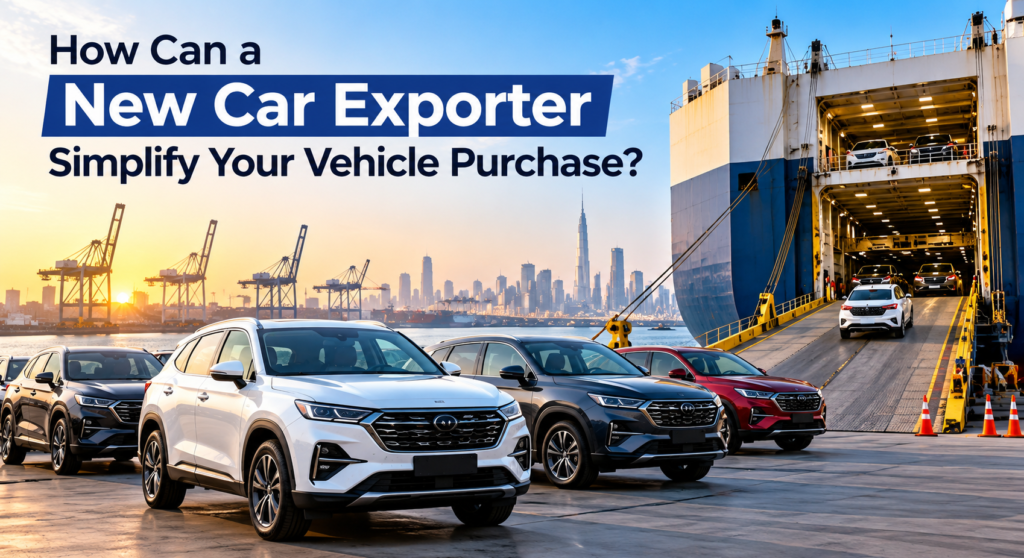
Buying a vehicle from another country can offer access to a wider selection of models, competitive pricing, and specialized specifications. However, international vehicle purchasing can also involve documentation, inspections, shipping arrangements, customs procedures, and other complexities. A new car exporter in Dubai can simplify this process by coordinating the major steps involved in sourcing and delivering a vehicle. With professional guidance, buyers can reduce unnecessary complications and make more informed purchasing decisions.
Understanding the Role of a New Car Exporter
A new car exporter acts as a link between vehicle buyers and automotive markets in different countries. Instead of handling every part of an international purchase independently, buyers can work with an exporter that understands vehicle sourcing, export documentation, logistics, and shipping procedures.
Exporters may work with dealerships, distributors, manufacturers, auctions, or vehicle suppliers to source new vehicles according to the buyer’s requirements. They can also provide information about available models, specifications, pricing, and export conditions. This makes the purchasing process more structured and easier to manage.
Access to a Wider Selection of Vehicles
One of the main advantages of working with an exporter is access to a broader vehicle market. Buyers may be looking for a specific brand, model, trim, engine configuration, or set of features that may not be readily available in their local market.
An experienced exporter can search through its supplier network to identify suitable vehicles. This can save buyers considerable time compared with contacting multiple international dealerships individually. It also allows buyers to compare different specifications and available options before making a final decision.
Assistance With Vehicle Sourcing
Finding the right vehicle is an important part of an international purchase. Buyers need to consider factors such as model year, mileage, specifications, condition, optional features, and overall pricing.
A professional exporter can help identify vehicles that match the buyer’s requirements and budget. Depending on the exporter’s services, buyers may receive vehicle photographs, specification sheets, inspection information, and pricing details before confirming a purchase.
This additional information can make it easier to compare vehicles and select an option that meets the intended requirements.
Simplifying Export Documentation
International vehicle purchases usually involve several documents. These may include invoices, ownership documents, export certificates, shipping documents, and other paperwork required by the exporting and importing countries.
Managing these documents independently can be time-consuming, particularly for first-time international buyers. A new car exporter can coordinate much of the export documentation and explain what information or documents the buyer needs to provide.
Proper documentation is important because errors or missing information can cause delays during shipping, customs clearance, or vehicle registration.
Coordinating Vehicle Inspection
Before purchasing a vehicle, buyers often want confirmation that the vehicle matches the description provided by the seller. Depending on the exporter and vehicle source, inspection services may be available to verify important details.
An inspection can cover areas such as the vehicle’s exterior, interior, mechanical condition, identification number, specifications, and equipment. For new vehicles, buyers may also want to confirm the model, factory specifications, accessories, and delivery condition.
Having inspection information before shipment can provide buyers with greater transparency and help them make a better-informed purchase decision.
Managing International Shipping
Transportation is another major part of buying a vehicle internationally. Once the purchase is confirmed, the vehicle needs to be transported from the seller or storage facility to the appropriate port and then shipped to the destination country.
An exporter can coordinate shipping arrangements and provide information about available transportation methods, schedules, and associated costs. Depending on the destination and vehicle type, options may include container shipping or roll-on/roll-off transportation.
Professional coordination can reduce the amount of communication the buyer needs to manage with multiple logistics providers.
Providing Clear Cost Information
The purchase price of a vehicle is not necessarily the total cost of importing it. Buyers may also need to consider transportation, insurance, port charges, customs duties, taxes, documentation fees, and local registration expenses.
A reliable exporter should provide a clear breakdown of applicable costs wherever possible. Understanding these expenses before confirming the purchase helps buyers calculate the overall landed cost of the vehicle.
This can also make it easier to compare an imported vehicle with similar vehicles available in the buyer’s domestic market.
Supporting Communication Across Borders
Language differences, time zones, and unfamiliar business practices can make international vehicle purchases more difficult. An exporter can act as a central point of communication between the buyer, supplier, inspection provider, shipping company, and other parties.
This can make the process more efficient because the buyer does not necessarily need to communicate separately with every organization involved in the transaction.
Helping Buyers Understand Import Requirements
Every destination country has its own rules for importing and registering vehicles. Requirements may relate to vehicle specifications, emissions standards, safety regulations, duties, taxes, and documentation.
An exporter can help buyers understand the export-related requirements and identify documents that may be needed for the shipment. However, buyers should also verify current import and registration requirements with the relevant authorities in their destination country before completing a purchase.
This is particularly important because regulations can change and may vary according to vehicle type and country of origin.
Choosing the Right Exporter
Not all exporters provide the same level of service. Buyers should evaluate an exporter’s experience, supplier network, documentation process, communication practices, inspection options, shipping arrangements, and transparency regarding costs.
It is also useful to verify company information, understand the payment terms, review the purchase agreement carefully, and ask for complete vehicle and shipping documentation. Buyers should avoid making decisions based solely on a low advertised price.
Conclusion
A new car exporter can simplify an international vehicle purchase by bringing sourcing, documentation, inspection coordination, shipping, and communication together in one process. This can save time and reduce the administrative challenges associated with buying a vehicle from another country.
However, buyers should still conduct their own research and verify the vehicle specifications, total costs, import requirements, and exporter credentials before completing a transaction. With careful planning and transparent communication, working with the right exporter can make international vehicle purchasing more organized, efficient, and straightforward.
For More Insightful Articles Related To This Topic, Feel Free To Visit: https://viralsocialtrends.com/