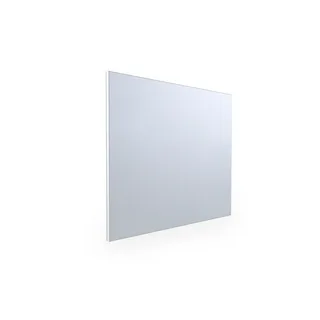
Far-infrared heating works by releasing infrared energy that warms people, objects, and surfaces rather than heating the surrounding air first. This process resembles the warmth experienced from sunlight and can help create a pleasant indoor atmosphere. Unlike conventional convection systems, far infrared heating panels deliver heat without actively circulating air, helping limit draughts and uneven temperature changes. These panels are engineered to convert electrical energy into usable warmth, while specialised materials support effective infrared emission across the room. By directing heat towards surfaces and occupants, the technology can reduce energy lost through unnecessary air movement. Its quiet operation also makes it suitable for homes and commercial interiors where consistent comfort is preferred without additional noise.
Advantages of Using Far-Infrared Heating Technology
Far-infrared panels offer several practical advantages by directing warmth towards people and objects instead of heating the surrounding air first. This approach can provide comfortable indoor temperatures while limiting unnecessary energy use and potentially reducing heating expenses. Their silent operation makes them suitable for homes and workplaces, while the absence of forced airflow helps avoid the drying effect associated with some conventional heating systems.
Far-infrared heating may also support muscle relaxation and circulation, although health benefits depend on the circumstances and available evidence. Since these panels produce no combustion emissions during use, they can complement environmentally conscious heating choices, particularly when powered by renewable electricity. Different styles and finishes also allow them to suit a variety of interiors. Their combination of functional performance and adaptable design makes them a useful option for modern spaces.
Key Differences between Radiant and Conventional Heating
Conventional heating systems generally warm indoor air through convection, allowing the heated air to circulate around a room. Far-infrared panels use radiant energy to transfer warmth directly to people, furnishings, and other surfaces. This difference can improve comfort in occupied areas without needing to heat all the surrounding air. These panels also operate quietly and can often be installed without extensive ductwork or conventional radiator systems.
Their slim construction supports wall or ceiling mounting, helping preserve valuable floor space. Because radiant heating does not depend primarily on moving warm air around a room, it may reduce draughts and provide more focused warmth where required. Actual temperature consistency depends on panel placement, room layout, insulation, and heating capacity. When appropriately selected, FIR panels can offer an alternative to conventional heating in residential and commercial settings.
Planning the Placement and Installation of Infrared Panels
Far-infrared panels can be mounted on walls or ceilings, with the chosen position influencing how effectively warmth reaches the intended areas. Installation planning should account for room dimensions, furniture placement, and the direction of radiant heat. Ceiling mounting can provide broad coverage with fewer obstructions, whereas wall-mounted units may suit rooms where the layout favours heating particular areas.
Using a qualified installer is advisable when electrical work or permanent mounting is required. Professional installation helps ensure secure attachment, suitable electrical connections, and compliance with applicable safety requirements. Some products also feature mounting systems that simplify the installation process.
Before choosing a panel, the room’s size, insulation, and heating demands should be evaluated. Seeking professional advice can help determine suitable panel capacity and positioning, supporting reliable operation and comfortable indoor conditions.
Improving Household Energy Use with FIR Heating Panels
FIR heating panels transfer radiant energy directly to occupants and surrounding surfaces, reducing the need to heat the entire volume of indoor air before comfort is achieved. Depending on the room layout and usage patterns, this targeted approach may help limit wasted energy and improve heating efficiency. However, overall consumption depends on factors such as insulation, electricity rates, panel capacity, and thermostat settings.
Radiant warmth can provide comfort relatively quickly in occupied areas, potentially reducing the need to heat unused spaces for extended periods. This makes zoning and thoughtful placement important considerations when managing energy use. With no fans or complicated moving mechanisms, these panels also have a relatively simple operating design. Their potential to support more controlled heating makes them worth considering for households and businesses seeking to manage energy consumption.
Operational Safety and Environmental Considerations
Many far-infrared heating panels include safety measures designed to support reliable operation, although the features available vary between models. Correct installation, suitable mounting locations, and compliance with manufacturer instructions are important for reducing risks, particularly in properties occupied by children or pets. Surface temperatures differ by product, so users should check specifications rather than assume every panel remains cool to the touch.
Electric panels do not produce combustion gases or smoke while operating, which can help avoid indoor pollutants associated with fuel-burning heaters. Their environmental impact also depends on how the electricity is generated and how efficiently the panels are used. Durable construction may extend product life and reduce the frequency of replacement. Together, these considerations make far-infrared heating a potential option for people prioritising operational safety and responsible energy use.
Integrating Heating Panels into Interior Designs
Contemporary far-infrared panels are available in streamlined designs that can complement different decorative styles without drawing excessive attention. Wall and ceiling mounting can also preserve floor space, which is particularly valuable in smaller rooms, shared areas, and multifunctional interiors.
Various finishes and formats provide flexibility when coordinating panels with existing furnishings and architectural features. Their relatively discreet appearance allows heating equipment to remain functional without becoming a dominant part of the room’s design. Careful positioning can balance visual appeal with effective heat delivery, helping maintain a practical and cohesive interior.
Where Far-Infrared Heating Can Be Used Effectively
Far infrared panels can serve different heating needs across residential and commercial environments. At home, they may be installed in bedrooms, living areas, and bathrooms where suitable electrical protection and product specifications permit their use. Their wall- or ceiling-mounted designs can also help keep floors clear and accommodate different room arrangements.
Workplaces such as offices, shops, and restaurants may use these panels to provide warmth in regularly occupied areas without installing extensive heating infrastructure. Certain workshops and larger spaces may also benefit from targeted heating, provided the panel output matches the environment and intended application.
Available sizes, power ratings, and mounting options allow users to consider different installation requirements. Assessing room conditions and occupancy patterns helps determine whether far-infrared panels are suitable for a particular setting, supporting practical heating arrangements across domestic and professional spaces.
Extending Panel Lifespan through Routine Care
Far-infrared heating panels generally require limited maintenance because many models contain few or no moving parts. Their straightforward construction can reduce the number of mechanical components that might wear out during normal operation. Routine care usually includes wiping the surface with an appropriate cleaning method and checking the unit for visible damage in accordance with the manufacturer’s instructions.
Construction quality and correct installation can influence how reliably a panel performs over time. Although these units are designed for ongoing use, their lifespan varies according to the product, operating conditions, and maintenance practices. Electrical connections and mounting hardware should be checked by a qualified professional when necessary.
Unlike some heating systems, many panels do not require regular filter replacement or servicing of complex internal mechanisms. Following the manufacturer’s care recommendations can help maintain safe operation and performance. This relatively simple maintenance routine can make far-infrared panels a convenient heating option for homes and commercial properties.
Technological Advancements in FIR Panels
Technological advancements in far-infrared panels have led to the integration of smart controls, enabling remote management via mobile applications or home automation systems. This development allows users to schedule heating and adjust temperatures with precision, promoting efficient energy use. Enhanced designs now incorporate features such as improved heat dispersion and reduced energy consumption, aligning with modern efficiency standards. Research into materials science has also improved panel durability and performance, ensuring consistent heat output.
Additionally, innovations in aesthetics, such as customisable finishes, enhance their adaptability across various interior styles. Future advancements may focus on improved connectivity and integration with broader smart home ecosystems, potentially offering more comprehensive climate control solutions while maintaining energy efficiency and operational simplicity.
Evaluating the Initial and Ongoing Costs of Infrared Heating
Assessing the cost of far-infrared panels involves considering the purchase price alongside potential savings over their service life. Initial expenses vary according to panel dimensions, appearance, and heat output, allowing different models to accommodate a range of spaces. Their efficient operation may help reduce electricity costs over time, depending on usage patterns and the property’s heating requirements. Installation expenses can also be manageable where the setup does not require extensive building alterations or additional infrastructure. Furthermore, the relatively simple design of many panels helps limit routine servicing and maintenance costs.
With appropriate selection and installation, these panels can provide dependable heating while balancing upfront spending against possible long-term savings. Their combination of straightforward upkeep and targeted warmth makes them an option worth evaluating for residential and commercial properties seeking practical heating solutions.
Research Findings and User Experiences with Infrared Heating
Research examining far-infrared panels considers their radiant heating performance, energy use, and suitability for contemporary indoor environments. Their ability to transfer warmth directly to occupants and surfaces distinguishes them from systems that rely mainly on circulating heated air. However, claims about improved indoor humidity or broader health benefits require careful evaluation, as outcomes depend on the heating system and surrounding conditions.
Ongoing product development explores ways to improve energy performance, extend operational life, and integrate heating controls with smart technologies. These improvements aim to address changing expectations around comfort, convenience, and energy management. As interest in efficient heating continues, further testing and independent assessments can help clarify how far-infrared panels perform across different residential and commercial applications.
Conclusion
Far infrared heating panels provide an energy-conscious approach to indoor warmth for homes and workplaces across Australia. Rather than heating air through convection, FIR technology transfers radiant heat directly to people, furniture, and surrounding surfaces. This method can reduce draughts and airborne dust movement while helping preserve comfortable humidity levels. Available in wall-mounted and ceiling-mounted designs, these panels combine discreet installation with quiet performance and compatibility with selected smart controls. Their simple construction and limited maintenance needs can also contribute to lower running costs and more efficient indoor heating.
FAQs
How do far infrared panels compare with conventional convection heaters?
Conventional convection heaters warm the air within a room, which can circulate unevenly and escape through ventilation. Far infrared panels instead transfer radiant heat directly to people and nearby surfaces. This approach can provide a more targeted feeling of warmth and allow building materials to retain some heat after the panels stop operating.
Are far infrared heating panels suitable for homes with children and pets?
Far infrared heating panels can be suitable for family homes when installed and operated according to the manufacturer’s safety instructions. Many models include overheat protection, while wall or ceiling mounting can help keep the equipment beyond easy reach. Surface temperatures vary between products, so suitable placement and supervision remain important for household safety.
Can far-infrared heating panels support better indoor air quality?
Far-infrared panels do not depend on forced airflow to distribute warmth, which can limit the circulation of dust and other airborne particles compared with some air-based heating systems. They also do not directly remove pollutants or allergens from a room. Indoor air quality still depends on suitable ventilation, cleaning, and moisture control.
Where should far-infrared heating panels be installed in a room?
Ceiling installation can provide a broad, unobstructed path for radiant heat, depending on the panel’s output and the room layout. Wall-mounted units may also work effectively when positioned to avoid large furniture blocking the radiant energy. Appropriate placement should account for room dimensions, mounting clearances, and the manufacturer’s installation recommendations.
Do far-infrared heating panels need routine maintenance?
Far-infrared heating panels generally require little maintenance because they typically contain no moving parts or air filters. Occasional cleaning with a dry cloth, following the manufacturer’s instructions, can remove accumulated dust from the surface. Periodic checks of the mounting and electrical connections may also be appropriate to maintain safe, reliable operation.
| Related Business Listings |
| Contact Directory |
| Local Business Profiles |