Medically reviewed by Dr. Mahmoud Akrama
Introduction
Skin tone, texture and pigmentation can vary considerably from one person to another. Some people experience dark spots after acne, while others notice uneven pigmentation due to sun exposure, hormonal changes or natural ageing. These concerns often lead people to consider Skin Whitening Treatment in Abu Dhabi as an option for achieving a brighter, more balanced-looking complexion.
However, one important question deserves attention before choosing any aesthetic procedure: is it suitable for every skin type? The answer depends on several factors, including natural skin tone, sensitivity, existing pigmentation, treatment methods and individual skin health.
Professional skin treatments are not one-size-fits-all. A method that works well for one person may not be appropriate for someone with sensitive skin or a tendency towards post-inflammatory hyperpigmentation. Understanding these differences helps people make informed decisions without expecting unrealistic changes to their natural complexion.
The aim should be healthier-looking skin, improved clarity and a more even appearance rather than changing someone’s natural identity. With proper assessment and realistic expectations, individuals can explore suitable options while placing skin health first.
What Is Skin Whitening Treatment and How Did It Start?
It refers to professional approaches designed to reduce the appearance of excess pigmentation, dark spots and uneven skin tone. Modern aesthetic approaches often focus on improving visible discolouration and supporting a more balanced complexion rather than dramatically changing natural skin colour.
Historically, skin-lightening practices involved various topical ingredients and cosmetic preparations. Over time, dermatological research introduced more targeted approaches to pigmentation management, including professionally supervised chemical peels, prescription-based topical treatments and selected laser technologies.
Today, the terminology is evolving. Skin brightening, pigmentation correction and skin rejuvenation are increasingly used to describe treatments that focus on skin clarity and overall appearance.
It is important to understand that natural skin colour is influenced by melanin, a pigment produced by specialised cells called melanocytes. Melanin helps protect the skin from ultraviolet radiation. Differences in melanin production explain why people have different natural skin tones.
Professional pigmentation treatments aim to address unwanted areas of excess pigmentation without unnecessarily disrupting the skin’s natural protective functions.
How Does Skin Whitening Treatment Work?
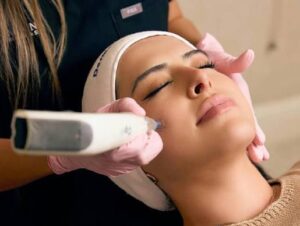
Skin Whitening Treatment works through different approaches depending on the pigmentation concern, the individual’s skin type and the method selected by a qualified professional.
Some approaches target excess melanin production, while others encourage the removal of pigmented surface cells or improve the overall appearance of the skin. The appropriate technique depends on whether the concern involves sunspots, melasma, post-acne marks or general uneven skin tone.
For people exploring professional options, can be a starting point for understanding available pigmentation-focused approaches. A personalised assessment considers skin rejuvenation goals, the potential for collagen stimulation, existing skin sensitivity and the likelihood of achieving natural-looking results. It also helps distinguish pigmentation procedures from unrelated aesthetic treatments, such as laser-assisted lipolysis, which is designed for body contouring rather than correcting skin discolouration.
Some commonly used approaches include:
Topical pigmentation treatments
Professionally recommended creams and serums may contain ingredients that influence melanin production or encourage more even skin appearance. Depending on the formulation, ingredients may include azelaic acid, vitamin C, retinoids or other dermatologically selected compounds.
Chemical peels
Chemical peels use carefully selected solutions to exfoliate the outer layers of the skin. They may help improve the appearance of certain dark spots, uneven texture and superficial pigmentation. Their suitability depends on skin sensitivity, pigmentation history and peel strength.
Laser-based treatments
Certain laser technologies target pigment within the skin. The selected wavelength and treatment settings are important, particularly for people with darker skin tones, because excessive heat or inflammation may trigger additional pigmentation.
Professional skin rejuvenation
Some aesthetic approaches focus on improving skin texture and overall appearance. However, not every skin rejuvenation procedure directly treats pigmentation, so the treatment should match the actual concern.
A qualified aesthetic practitioner or dermatologist should explain the proposed method, expected benefits and possible risks before treatment begins.
What Are the Main Reasons People Choose Skin Whitening Treatment?
People consider Skin Whitening Treatment for several reasons, particularly when pigmentation affects their confidence or makes their complexion appear uneven.
Uneven skin tone
Uneven pigmentation can develop across the cheeks, forehead, jawline and other exposed areas. People may choose professional treatment to improve the appearance of these darker patches.
Dark spots and post-acne marks
Acne can leave behind dark marks even after active breakouts have settled. These marks are often associated with post-inflammatory hyperpigmentation, which is particularly common in individuals with darker skin tones.
Sun-related pigmentation
Regular sun exposure can contribute to dark spots and uneven complexion. Professional pigmentation management may help improve their appearance, although protecting the skin from further ultraviolet exposure remains essential.
Melasma
Melasma often appears as brown or grey-brown patches, particularly across the forehead, cheeks and upper lip. Hormonal influences and sun exposure can contribute to this condition. It may require ongoing management rather than a single treatment.
Improved skin appearance
Some individuals simply want their skin to look clearer, fresher and more balanced. The focus should remain on improving visible skin concerns while maintaining natural-looking results.
Real Expectations Versus Common Misconceptions
Skin Whitening Treatment can improve certain pigmentation concerns, but understanding its limitations is essential before making a decision.
One common misconception is that every treatment produces the same results for everyone. In reality, outcomes vary according to pigmentation depth, skin tone, underlying causes and the chosen method.
Another misunderstanding is that one session will completely remove all dark spots. Some pigmentation concerns respond gradually, while others, particularly melasma, may require ongoing management.
It is also important to understand that brighter-looking skin does not necessarily mean healthier skin. Excessive or inappropriate lightening methods can damage the skin barrier and interfere with its normal functions.
Potential side effects depend on the treatment used. They may include temporary redness, dryness, irritation, swelling, sensitivity and peeling. More intensive procedures can sometimes cause burns, scarring or worsening pigmentation, particularly when unsuitable settings or products are used.
People with darker skin tones need particular care because inflammation following a procedure can sometimes trigger post-inflammatory hyperpigmentation.
Another important distinction concerns collagen stimulation and facial sagging. These are separate aesthetic concerns. Certain skin rejuvenation procedures may target collagen-related changes, but pigmentation treatments should not be expected to tighten sagging facial skin. Similarly, laser-assisted lipolysis addresses localised fat rather than uneven complexion.
Realistic expectations, suitable treatment selection and appropriate follow-up are more valuable than promises of dramatic or permanent skin changes.
How Does Skin Whitening Treatment Compare With Topical Skincare?
Both professional Skin Whitening Treatment and topical skincare can help address pigmentation, but they differ in their methods, intensity and level of supervision.
| Comparison Factor | Skin Whitening Treatment | Topical Skincare |
|---|---|---|
| Main purpose | Address visible pigmentation | Support everyday skin appearance |
| Approach | Professional procedures or selected treatments | Creams, serums and lotions |
| Suitability | Depends on skin assessment | Depends on ingredients and skin sensitivity |
| Treatment intensity | Varies by procedure | Generally less intensive |
| Results | Depend on pigmentation and treatment method | Usually gradual with consistent use |
| Professional guidance | Important for procedural treatments | Recommended, especially for active ingredients |
| Maintenance | May require follow-up and sun protection | Often part of an ongoing skincare routine |
Neither option is automatically better for everyone. Mild surface pigmentation may respond to suitable skincare, while some persistent concerns may benefit from professionally supervised procedures.
A dermatologist can help determine whether combining selected topical products with professional treatment is appropriate.
Choosing the Right Clinic and Practitioner
Choosing a qualified clinic and practitioner is one of the most important steps when considering Skin Whitening Treatment.
A proper consultation should begin with an assessment of natural skin tone, pigmentation patterns, sensitivity and previous treatment experiences. The practitioner should also ask about existing skin conditions, current skincare products and any history of unusual reactions.
It is worth discussing the following points during a consultation:
Professional qualifications: Confirm that the practitioner has appropriate training and experience in treating pigmentation concerns.
Individual skin assessment: The proposed procedure should reflect your skin type, pigmentation depth and medical history rather than following a standard approach for everyone.
Treatment explanation: Ask what the procedure involves, how it works and whether another approach might be more suitable.
Potential risks: A responsible practitioner should explain possible irritation, pigmentation changes and other treatment-related concerns without promising risk-free results.
Aftercare guidance: Proper instructions should cover skin protection, suitable skincare products, follow-up appointments and when to seek professional advice.
People with darker skin tones, sensitive skin or a history of melasma should be particularly careful when considering intensive procedures.
It is also important to distinguish a qualified aesthetic practitioner from someone offering treatments without appropriate clinical training. The person performing a procedure should have the necessary qualifications and experience for that specific treatment.
Frequently Asked Questions
Is Skin Whitening Treatment safe for darker skin tones?
It can be suitable for some individuals with darker skin tones, but treatment selection requires additional care. Certain procedures, particularly some laser treatments and chemical peels, may increase the risk of post-inflammatory hyperpigmentation. A professional assessment helps identify suitable approaches and treatment settings.
Can sensitive skin undergo Skin Whitening Treatment?
People with sensitive skin may still have suitable options, depending on the underlying concern. However, aggressive exfoliation and strong active ingredients may cause irritation. A practitioner should assess skin sensitivity before recommending any procedure.
How long does it take to see results?
The timeline varies according to the pigmentation concern, treatment method and individual skin response. Some superficial pigmentation may improve gradually, while deeper pigmentation and melasma can require longer-term management. No specific timeline can be guaranteed.
Can Skin Whitening Treatment remove melasma completely?
Melasma can be difficult to manage because it is influenced by factors such as hormones, genetics and ultraviolet exposure. Treatment may improve its appearance, but recurrence is possible. Ongoing professional guidance and sun protection are important.
Are there any side effects to consider?
Possible effects include temporary redness, dryness, irritation, peeling and sensitivity. Some procedures may also cause burns, scarring or increased pigmentation if unsuitable for the individual. Discussing these possibilities before treatment is essential.
Conclusion
Skin Whitening Treatment may help improve the appearance of uneven skin tone, dark spots and selected pigmentation concerns, but its suitability depends on individual skin characteristics. Different skin types respond differently to active ingredients and professional procedures, making personalised assessment an important part of the process.
Rather than focusing on changing natural skin colour, the priority should be improving skin clarity, maintaining a healthy skin barrier and achieving balanced, natural-looking results. Understanding the available approaches, recognising possible risks and choosing a qualified practitioner can make treatment decisions more informed.
If you are considering professional pigmentation care, arranging a consultation is a sensible first step. A qualified practitioner can assess your skin, discuss suitable options and help you understand what outcomes may realistically be achieved.