Let’s be honest, everybody’s talking about tiny homes right now. Instagram makes it look easy. Cute little house, big windows, a dog on the porch, done. But when you actually start looking at a tiny home for sale, the whole thing gets a lot more complicated fast. There’s zoning to worry about, financing that most banks don’t even understand yet, and about a dozen build quality issues you won’t notice until you’re three months in and something’s leaking. This isn’t meant to scare you off. It’s meant to save you some pain. I’ve talked to a lot of people who jumped in without asking the right questions, and most of their regrets could’ve been avoided with a little homework up front.
What “Tiny Home For Sale” Actually Means Anymore?
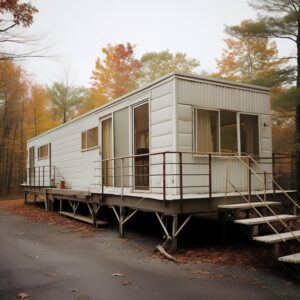
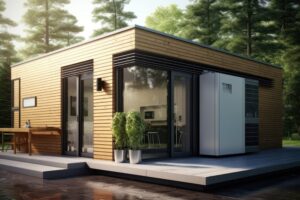
Here’s the thing nobody tells you, the term “tiny home” gets used for like five different products now. You’ve got tiny homes on wheels, which are basically RVs with better insulation and nicer finishes. You’ve got tiny homes on foundations, which act more like a real accessory dwelling unit. Then there’s park models, container homes, and prefab kits you assemble yourself over a weekend (or, realistically, several weekends and a lot of swearing). When you search for a tiny home for sale online, you’re going to get all of these mixed together in the results. That’s not the seller’s fault necessarily, it’s just how the market grew. Before you fall in love with a listing, figure out which category it actually belongs to, because that changes everything downstream, from insurance to where you’re legally allowed to put it.
Why Talking to Tiny House Experts Saves Your Money?
I get it, hiring or consulting tiny house experts feels like an extra step when you just want to buy the thing and move in. But here’s what happens when people skip that step: they buy a beautiful tiny home, tow it to their land, and then find out the county won’t permit it as a permanent residence. Or they discover the trailer frame wasn’t rated for the weight of the build and it’s sagging within a year. Real experts in this space, the ones who’ve actually built or sold dozens of these units, know the questions to ask that you wouldn’t think of. Things like axle ratings, water heater venting, or whether the loft ladder meets any kind of safety code at all (a lot of them don’t, honestly). Paying for an hour of their time before you buy is cheap insurance compared to fixing a bad purchase later.
The Price Range You Should Actually Expect
People see a tiny home listed at 30,000 dollars and assume that‘s the entire story. Sometimes it is. Often it‘s not. A bare shell with no plumbing and no electrical might be in the 25K to 40K range. A finished, code homest, tiny home with a real stove and fridge, and a practical bathroom, can be in the 60K to 100K range, and custom builds from trusted builders can be significantly higher. When you‘re browsing listings for a tiny house for sale, always remember to ask exactly what is included, especially if the light fixture, the roof pitch, the directions on which way is north, etc. are not clearly spelled out. Finishing a loft, adding the composting toilet, or hooking the hot water up to the existing well can add up more than you might think.
Financing Is Still a Mess, Just So You Know
Traditional mortgages generally don’t apply to tiny homes on wheels, because banks classify them more like vehicles than houses. So you’re often looking at RV loans, personal loans, or in some cases dealer financing through the builder directly. Interest rates on these tend to run higher than a standard mortgage, which stings, but it’s the reality right now. Some credit unions are starting to offer tiny-home-specific loans, so it’s worth calling around locally instead of assuming your usual lender has an answer. This is honestly one of the areas where tiny house experts add the most value, because they’ve seen which lenders actually approve these loans versus which ones just say they do and then stall you out for weeks.
Zoning Will Make or Break Your Plan
I cannot stress this enough, check your local zoning laws before you buy anything. This is the number one mistake people make. A tiny home for sale might be perfectly legal in one county and completely banned two miles over in another. Some places require a minimum square footage for a permanent dwelling, which straight up disqualifies most tiny homes. Others are fine with them as an accessory dwelling unit but not as your primary residence. Call your local planning department, ask specific questions, get it in writing if you can. Don’t just take a seller’s word for it that “people do this all the time around here.” Sometimes that’s true. Sometimes it’s technically illegal and nobody’s gotten caught yet, which is not the same thing.
New vs Used, and Why Used Isn’t Always Cheaper?
There’s a decent used market for tiny homes now, which makes sense since the trend’s been going for over a decade. Buying used can save you money, sure, but inspect it like you would a used car, maybe even more carefully. Check the trailer frame for rust, check under the sinks for old water damage, ask about the age of the roof and the water heater. Some sellers are downsizing again or moving into something bigger and their tiny home is in great shape. Others are unloading a problem. You won’t always know which one you’re looking at just from photos on a listing site, so if you can, go see it in person or send someone qualified to look for you.
Questions Worth Asking Before You Sign Anything
Before you commit to any tiny home for sale, ask about the build certification. Is it RVIA certified, built to a park model standard, or built to actual residential code? This single detail affects insurance, financing, and where you’re allowed to park it long term. Ask about the water and electrical systems specifically, not just “does it have plumbing.” Ask who did the actual construction, was it a licensed builder or a DIY project being resold. None of these questions are rude to ask. A good seller expects them and will have answers ready. If they get cagey or vague, that tells you something too.
Where the Tiny Home Movement Is Actually Headed?
More cities are starting to update zoning codes specifically because of tiny home demand, which is a good sign for buyers long term. A few states have even created legal frameworks for tiny homes as accessory dwelling units, recognizing that housing shortages make this a legitimate option, not just a lifestyle trend. That said, the industry is still young compared to traditional home building, so standards vary a lot builder to builder. This is exactly why leaning on tiny house experts matters right now more than it will in ten years, once things standardize more. Right now you’re buying into a market that’s still figuring itself out, and having someone who knows the landscape helps you avoid becoming a cautionary tale on some forum somewhere.
Final Thoughts Before You Buy
Buying a tiny home can genuinely change how you live, less debt, less stuff, more freedom to move if you want to. But it’s not the shortcut some influencers make it look like. Do your research, ask the annoying questions, and don’t be afraid to bring in tiny house experts before you sign on the dotted line. A tiny home for sale that looks perfect in photos can still be the wrong fit for your land, your budget, or your local laws. Slow down a little. Get the details right the first time, and you’ll actually enjoy the tiny life instead of fighting it.
Frequently Asked Questions
Is it hard to find a tiny home for sale near me?
It depends on your region, but the market’s grown a lot, so most areas now have at least a few builders or dealers within driving distance, plus plenty of online listings that ship or deliver.
How much does a good tiny home for sale usually cost?
Anywhere from $25,000 for a basic shell to well over $100,000 for a fully finished, custom build with high-end finishes and appliances.
Do I need to consult tiny house experts before buying?
You don’t have to, but it’s strongly recommended, especially for financing, zoning questions, and checking build quality before you commit to a purchase.
Can I get a regular mortgage for a tiny home?
Usually not if it’s on wheels. Most buyers use RV loans, personal loans, or specialty financing through the builder or a local credit union instead.