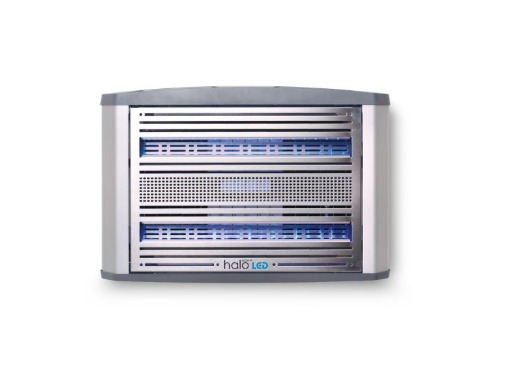
Let’s be real, those flies and mosquitoes don’t care about your schedule. They show up when you’re cooking dinner or trying to relax on the sofa. You swat at them, maybe grab some spray can, and next day they’re back. Truth is most chemical sprays leave residue you don’t want near kids or pets. That’s where something like the halo insect o cutor steps in different. It’s not spraying poison around the rooms. The unit pulls insects in with UV light then sticks them to a board. Quiet, no mess flying around, works while you sleep. For anyone looking at a pesticide sprayer for home this feels cleaner somehow. I’ve seen people try the cheap zapper grids and end up with burned bug bits all over. Glueboard style keeps it contained. Short answer is you get control without the chemical fog.
How the UV Attraction Actually Works Day to Day
Insects go for certain light wavelengths more than others. The Halo units use high efficacy tubes that put out the right UV to draw flies, moths, mosquitoes toward the trap. Once close they hit the glueboard and stay put. No shock, no smell. You can mount it on the wall vertical or horizontal, even desk style with the feet if space is tight. The 15 watt version fits above a doorway pretty discreet. Bigger 30 or 45 watt models cover more floor space, say eighty square meters for the mid size one. In a regular house that means kitchen and living area sorted with one unit running. I leave mine on overnight because that’s when the light has less competition from daylight. Catch rates climb then. It’s not magic but it beats chasing them with a rolled newspaper every evening.
Placement Tricks That Make the Difference
You don’t just stick it anywhere and hope. Put the halo insect o cutor between the entry points and the spots you care about most. Door from the garden, window that never quite seals, near the bin area. Keep it maybe three to five meters back from open outdoors so the light doesn’t pull more bugs in from outside. Height around two meters off the floor works for most rooms. In the kitchen avoid right next to strong competing lights or shiny surfaces that bounce daylight. Some folk mount the small one above the back door and it intercepts half the traffic before they reach the food prep. Desk mount option is handy in a home office or utility room. Just don’t put it where water might hit it unless you grab the aqua version built for hose down spots. Simple rules but people skip them and wonder why results lag.
Glueboards Versus Old School Electric Grids
Older insectocutors fried the bugs on a high voltage grid. Loud crack sometimes, bits drop into a tray, and in food areas that gets messy fast. Glueboard design holds the insect whole so you can check what you’re catching and dispose clean. The Glupac boards come with UV stabiliser and some pheromone to boost hold. Change them from the side without ladders most times. Swing down front gives full tube access when you need it. For home use this matters because you don’t want blackened carcasses near the fruit bowl. It’s quieter too. Kids or dogs don’t get startled by the zap sound. If you’re comparing to a typical pesticide sprayer for home the difference is continuous passive work instead of you having to remember to spray every few days. The board fills over weeks depending on pressure, then swap and carry on.
Running Costs and Tube Life Realities
Power draw stays low. Fifteen watt model sips electricity like a small bulb. Tubes last roughly eight to twelve months if left on most of the time. Replace with the matching high efficacy ones, not random hardware store tubes that fade fast. Inventory stays simple because the range shares the same tube size across models. Glueboards every four to six weeks in average homes, more often if summer brings heavy flights. No chemical refills to buy or store. Compared to buying spray cans monthly the running cost feels lighter after the first year. Some newer LED versions cut energy another sixty percent and last three years on the light source. Still, the fluorescent Halo line remains solid for most households. Keep the unit clean of dust so output stays strong. That’s about it for maintenance.
Home Versus Commercial Use Overlap
These started for kitchens, shops, warehouses. Yet the compact ones fit normal houses just fine. Living room, bedroom hallway, conservatory, even a large bathroom if flies bother you there. The discreet look helps. Silver or grey finish doesn’t scream industrial gear on your wall. For open plan places the thirty watt covers plenty. Families with pets notice less chemical exposure which is a quiet win. Same unit a restaurant might use near the pass can sit above your patio door. Coverage numbers are guides, not hard limits. A busy house with open windows in summer might need two smaller units instead of one big. Place one near the problem zone and another further in to catch what slips past. Works better than hoping a single pesticide sprayer for home reaches every corner.
Safety Points Worth Noting Before You Buy
Indoor only. Don’t hang it on a porch where rain hits. UV tubes attract, they don’t poison the air. Still keep the unit out of reach of small kids who might poke things in. Glue is sticky enough that pets leave it alone once they learn. No fumes, no residue on surfaces. The IP rated aqua models handle wetter spots if your laundry room gets steamy. Always earth the plug properly. Swap tubes with the power off, obvious but people rush. Three year guarantee on the body if you stick to genuine parts. I’ve seen cheap knockoffs fail early or lose attraction power after a few months. Stick with the real Insect-O-Cutor range from Pelsis and you avoid that headache.
Seasonal Patterns and When Results Show
Spring and summer pressure climbs hard. Fruit flies around the compost, bluebottles from outside, mosquitoes at dusk. Run the unit twenty four hours and you’ll notice the board filling within days at peak. Autumn slows things but residual insects still get drawn. Winter is quieter yet the light keeps residual populations down so spring starts cleaner. First week might feel slow if the room already has competing light sources. Give it time. Once the local population drops the catch rate levels off and stays low. That’s the goal, not a constantly full board. Combine with basic habits like screened windows and closed bins and the halo insect o cutor becomes the steady background worker. No daily spraying required.
Common Mistakes That Kill Effectiveness
Mounting too close to a bright window so daylight drowns the UV. Leaving old tubes in past their best. Using wrong glueboards that dry out under the light. Switching the unit off during the day thinking it only works at night. Actually continuous run builds better control. Ignoring the debris tray until it overflows. Or placing it right next to the bin so every fly that arrives gets a free meal first. Another one is buying the smallest model for a large open plan house and expecting miracles. Match the wattage to the space. And don’t expect it to stop crawling insects. This is flying only. For ants or cockroaches you still need other methods. Keep expectations straight and the results stay solid.
Choosing the Right Size for Your Space
Fifteen watt for small rooms or tight spots above doors, coverage around forty square meters. Thirty watt handles most kitchens and living areas up to eighty. Forty five watt or the double sided versions for bigger open spaces. Measure the area you want protected and add a bit of margin. Desk feet turn any of them into a portable option if you move between rooms seasonally. Wall mount is permanent and cleaner looking. If you have a wet zone like a utility or porch entrance the aqua stainless version survives better. LED models are coming through with lower power and longer life if you want to future proof. Whatever you pick, genuine parts keep the performance consistent year after year.
Visit Pelsis Ltd to start looking at the full Halo range and find the model that fits your home setup.
FAQs
What is the best halo insect o cutor model for average home use?
The 30 watt version covers most kitchens and living rooms without looking oversized. It mounts easy and the glueboard changes from the side so no ladder needed most times.
Can I use a halo insect o cutor instead of a regular pesticide sprayer for home?
Yes for flying insects. It runs continuous without chemicals so less residue around food or pets. You still need other tools for crawling pests though.
How often do I change the glueboard on an Insect-O-Cutor Halo?
Every four to six weeks in normal homes, sooner in heavy summer months. Check it weekly and swap when the surface looks full or dusty.
Is the UV light safe around children and pets?
The unit is designed for indoor commercial and home spaces. Keep it mounted high and out of reach. No chemical spray means fewer worries about residue on floors or furniture.
Does the Halo work better at night or daytime?
Both, but night gives stronger results because daylight competes less with the UV tubes. Leave it running twenty four hours for steady population control.