Packaging isn’t just a box. It’s the first touch a customer has with your brand after the purchase. When done right, it builds anticipation, signals care, and even speeds up decisions. The benefits reach both sides: shoppers feel valued, and brands see stronger loyalty and fewer returns.
In this post, you’ll get practical ideas for making packaging personal without breaking the budget. You’ll see how small changes in design, messaging, and materials can add up to meaningful, repeatable improvements for your business.
Understanding Personalization in Packaging
Personalization isn’t a gimmick. It’s packaging that speaks to the customer and fits the product. It can be as simple as customizing the outer artwork or as thoughtful as tailoring the inner contents to specific items or regions.
What counts as personalized packaging
- Design that reflects the customer’s identity or purchase context
- Messaging that resonates with the buyer’s values or locale
- Size and fit that reduce waste and protect the product
- Materials chosen to support sustainability and brand story
Data sources and how they inform packaging customization
- Purchase history and preferences
- Region, season, and cultural cues
- Product type and size, plus any special occasion signals
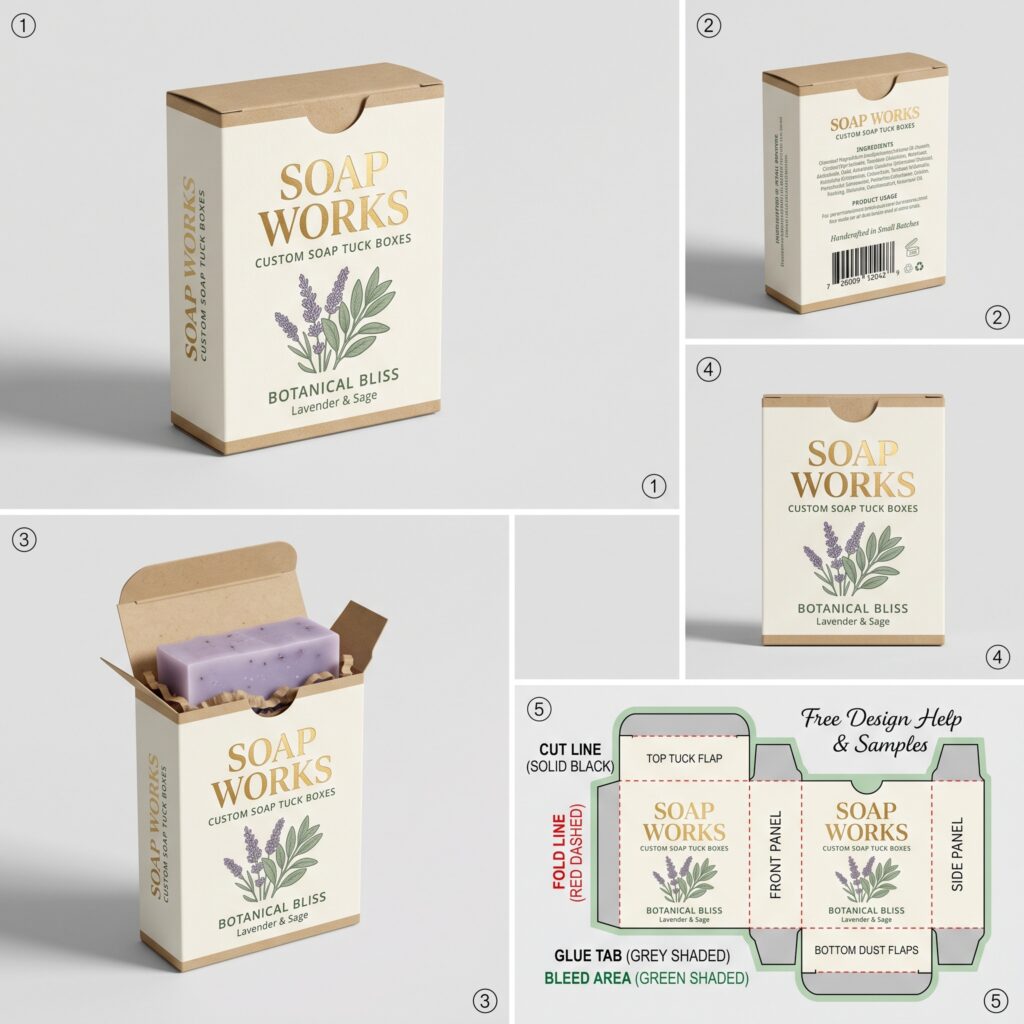
Learn how personalized packaging shapes unboxing experiences and brand loyalty in practical, affordable ways. This anchor sits here to illustrate how the concept translates into real-world kits and boxes.
Benefits for Customers
Shoppers notice when packaging fits their needs. It feels thoughtful and reduces friction from the moment the parcel lands on their doorstep.
Enhanced unboxing experience and anticipation
Well-timed reveals, clear labeling, and tidy inserts make opening the box a small moment of delight. A calm, legible layout helps customers find what they need fast.
Perceived brand care and loyalty signals
When packaging shows attention to detail, customers sense a brand that stands behind its products. That perception often translates into trust and repeat buys.
Convenience and product fit through tailored packaging
Correct sizes, protective inserts, and clear disposal guidance save time and cut waste. Customers appreciate packaging that respects their space and values.
Benefits for Brands
Personalized packaging isn’t just nice to have. It can influence buying behavior and long-term relationships.
Increased conversion and reduced returns
A well-fitted package reduces damage and returns. It also reinforces the product’s positioning at the moment of purchase, nudging shoppers toward completion.
Higher shareability and social media impact
Visuals that invite unboxing photos tend to travel farther. People share moments that feel authentic and relevant to their lives.
Improved customer lifetime value and brand perception
Consistent, respectful packaging creates a lasting impression. It builds a narrative that customers want to return to with future purchases.
Personalization Strategies by Pack Type
Think about the journey from outer carton to the product inside. Each touchpoint offers a chance to tailor the experience.
Outer packaging with customized artwork
Use regional motifs, seasonal colors, or named campaigns to capture attention. A bold, legible design helps the box stand out in a crowded feed.
Inner packaging and insert personalization
Include personalized notes, care instructions tailored to the product, or region-specific inserts. Small touches like this can boost perceived value.
Recyclability and sustainability aligned with personalization
Choose materials that align with local recycling streams. Clear disposal guidance and minimal ink help customers recycle confidently.
Temperature, size, and product-specific packaging tweaks
Fragile items get dedicated inserts. Cold-chain goods may need insulated layers. Match the packaging to protect the product and the brand promise.
Data and Privacy Considerations
Use customer data with care. The goal is to enhance the experience, not to overstep boundaries.
Collecting and using customer data responsibly
Ask for consent where it matters. Limit data collection to what directly informs packaging personalization and improves the customer experience.
Compliance with privacy regulations
Follow local rules and industry guidelines. Keep records of consent and provide easy opt-outs for customers.
Transparent consent and value exchange
Explain what data you collect and why. Show the tangible benefits customers receive in return for sharing information.
Design Principles for Effective Personalized Packaging
Clear visuals make a strong first impression. Good design helps customers feel confident right away.
Visual clarity and legibility
Use high-contrast text, clean typography, and intuitive labeling. Readers shouldn’t struggle to find essential details.
Consistent brand voice across variants
Keep tone and style aligned. Even regional tweaks should reflect the core brand personality.
Accessibility and inclusive design
Use readable fonts, appropriate contrast, and simple language. Packaging should be usable by everyone, including those with disabilities.
Color, typography, and imagery choices
Choose palettes that reinforce your story. Images should feel authentic and relevant to the product and audience.
Production and Supply Chain Implications
Personalization requires smart production planning. It’s not just about design—it’s about feasibility.
Printing technologies suitable for personalization
On-demand digital printing can support variable artwork and copy. Consider durable inks that endure handling and shipping.
Scanable codes and on-demand printing
Barcodes, QR codes, or NFC tags can link to product details or care guides. They also enable traceability and post-purchase engagement.
Lead times, inventory planning, and scalability
Plan for fluctuations in demand. Build flexible packaging options that scale with campaigns and seasonal spikes.
Cost considerations and ROI benchmarks
Track the incremental value from higher conversions and lower returns. Weigh these against extra printing and material costs.
Sustainability and Ethics
Personalization should feel responsible. It’s possible to tune experiences without harming the planet.
Balancing personalization with recyclability
Choose packaging that can be easily recycled in local systems. Provide clear guidance for end-of-life disposal.
Reducing material waste through smart design
Prefer minimal sizes and multi-purpose components. Design for disassembly and reuse where practical.
Ethical data practices in personalization
Be clear about how data informs packaging. Respect customer preferences and avoid sensitive targeting.
Case Studies
E-commerce retailer using name-based packaging
A shopper sees their name on the outer sleeve, creating an immediate connection. The result is higher engagement and repeat visits to the site.
Beauty brand with regional customization
Colors and imagery reflect local tastes while maintaining the brand’s core look. Consumers perceive relevance without losing brand consistency.
Food and beverage company leveraging seasonal packaging
Seasonal cues spark anticipation. The box becomes part of the celebration, increasing shareability and gift-worthy perception.
Implementation Roadmap
Plan a practical, step-by-step rollout. Start small, learn, and expand.
Step-by-step plan to pilot personalized packaging
- Define the goals and metrics
- Choose a test category and packaging type
- Develop a scalable design system
- Test with a controlled audience and collect feedback
- Roll out with clear guidelines and supply chain readiness
Stakeholder roles and cross-functional collaboration
Involve product, design, operations, and marketing early. Align budgets and timelines from the start.
Metrics to track success and iterate
Monitor conversion, returns, social shares, and customer sentiment. Use the data to refine the approach.
Common Pitfalls and How to Avoid Them
Personalization can overreach if not careful. Keep it simple and practical.
Overpersonalization that strains budgets
Test a few high-impact variants first. Don’t chase every possible personalization at once.
Inconsistent unboxing experience
Maintain design rules across all variants. Inconsistent packaging undermines trust.
Ignoring supply chain constraints
Coordinate with suppliers on lead times and production limits. Plan for contingency.
The Future of Personalization in Packaging
AI and data will help shape design choices in real time. Brands can adapt to trends faster.
AI-driven design and adaptive packaging
Smart templates can adjust visuals for regions or campaigns. This keeps packaging fresh and relevant.
IoT and smart packaging touchpoints
Interactive elements can reveal care tips, usage ideas, or authenticity checks. It adds a layer of engagement.
Growth opportunities across different markets
Tailored packaging opens doors in new regions and categories. It lets brands speak to local needs while preserving identity.
Conclusion
Personalized packaging reshapes how customers experience a brand. It blends care, relevance, and practicality into a single moment of interaction. When done thoughtfully, it strengthens trust and boosts long-term value.
FAQs
What small changes in packaging can make a big difference?
Clear labeling, correct product fit, and a sincere thank-you note can noticeably lift the unboxing mood and perceived value.
How do I start a pilot for personalized packaging?
Pick a single product line, create a few variant designs, and measure impact on conversions and returns during a 4–6 week window.
Is personalized packaging expensive?
Costs vary, but starting with outer artwork or inserts can be affordable. The payoff often shows up in higher cart values and loyalty.
What about privacy concerns with personalization?
Only collect data with consent and use it to improve the customer experience. Be transparent about how the data helps the packaging journey.
How can packaging be sustainable while still personalized?
Choose recyclable materials and provide disposal guidance. Keep the design simple to reduce waste and avoid overprinting.