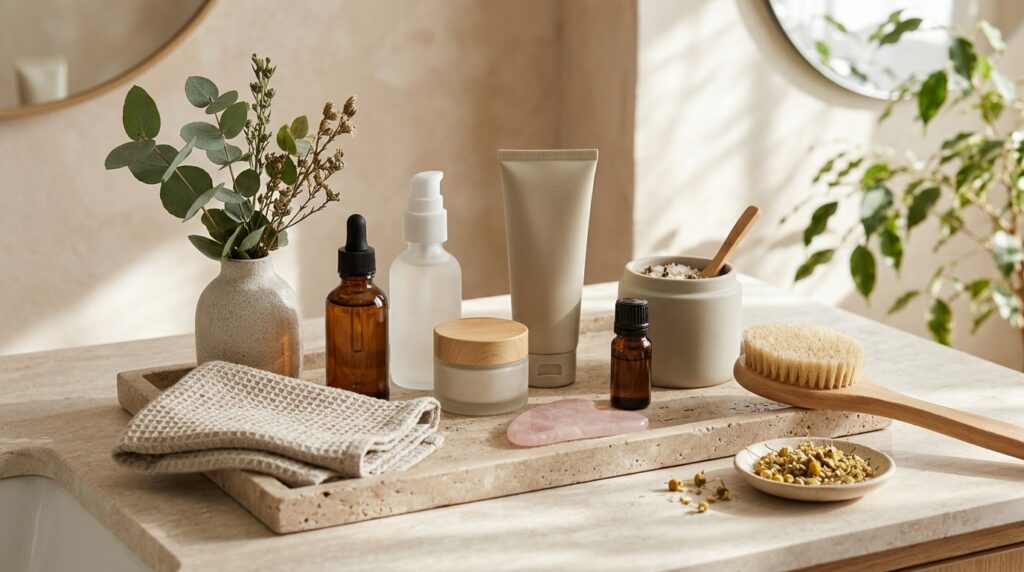
Skincare and wellness products can help people care for their skin, maintain personal hygiene, and build simple daily routines. The right choices depend on skin type, personal needs, ingredient safety, and individual preferences. Skincare and Wellness Products can include facial cleansers, moisturisers, body lotions, herbal preparations, and other items used for everyday personal care.
Natural ingredients are often appealing to people who prefer plant-derived options. However, natural does not always mean safer or more effective. Some botanical ingredients can irritate sensitive skin, and certain herbal products may interact with medicines. Understanding what a product contains and how to use it can help you make informed choices.
A practical routine does not need dozens of products. A few well-chosen items, used consistently, can support skin comfort, cleanliness, and general wellbeing. The goal is to find products that meet your needs without adding unnecessary steps to your day.
Building a Daily Routine Around Your Personal Needs
A useful personal care routine starts with your everyday habits and the condition of your skin. Someone with dry skin may need a richer moisturiser, while someone with oily skin may prefer a lightweight formula. Climate, activity levels, age, and existing skin concerns can also affect product choices.
Start by identifying the main purpose of each item. A cleanser removes dirt, sweat, and excess oil. A moisturiser helps reduce water loss from the skin. Sunscreen protects exposed skin from harmful ultraviolet radiation. Body washes, hand creams, and lip balms can address other everyday needs.
Keep the morning routine simple
A morning routine can focus on cleansing when needed, moisturising, and sun protection.
- Cleanser: Choose a gentle product that removes overnight oil without leaving the skin tight.
- Moisturiser: Apply a suitable formula to help maintain skin hydration.
- Sunscreen: Use broad-spectrum SPF 30 or higher on exposed skin, following the product instructions.
People with dry or sensitive skin may not need a strong cleanser every morning. Rinsing with water can be enough for some individuals, depending on their skin and overnight products.
Make the evening routine practical
The evening is a good time to remove sunscreen, makeup, sweat, and daily dirt. A gentle cleanser can help clean the skin before moisturiser is applied.
If you use targeted products, such as exfoliants or acne treatments, introduce them carefully. Using several active ingredients at once may cause redness, dryness, or discomfort. Start with one new product and follow its directions.
Consistency matters more than having a complicated routine. A small selection of suitable products is often easier to maintain than a long list of treatments.
What Natural Ingredients Can Offer Your Skin
Natural skincare products often contain plant oils, botanical extracts, herbal ingredients, or naturally derived substances. Their purpose depends on the formulation. Some help soften the skin, while others provide fragrance, antioxidants, or ingredients that support moisture retention.
The word natural does not have one universal meaning across all product labels. A product described as natural may contain a blend of plant-derived and synthetic ingredients. Reading the full ingredient list provides more useful information than relying on the front label alone.
Plant oils and moisturising ingredients
Plant oils can help soften the skin and reduce moisture loss. Examples include sunflower seed oil, jojoba oil, and some forms of coconut oil.
Different oils feel different on the skin. A lightweight oil may suit someone who dislikes heavy creams, while a richer formula may feel more comfortable on very dry areas. However, individual responses vary, and an oil that works well for one person may cause irritation or clogged pores for another.
Shea butter is another common ingredient in body creams and balms. It helps soften rough areas, such as elbows, knees, and heels. Products containing glycerin or hyaluronic acid can also help attract and retain water in the outer skin layers.
Botanical extracts and soothing formulas
Botanical personal care products may contain extracts from plants such as aloe vera, green tea, calendula, or chamomile. These ingredients are used for different reasons, including skin conditioning and antioxidant support.
The effect depends on the extract, its concentration, the rest of the formula, and how the product is used. An ingredient name alone does not prove that a finished product will produce a particular result.
Fragrance is another point to consider. Essential oils and scented plant extracts can cause irritation or allergic reactions in some people. If your skin reacts easily, fragrance-free products may be a better starting point.
Why the complete formula matters
A product is more than its most recognisable ingredient. Its texture, stability, preservative system, concentration, and packaging can affect how well it performs.
For example, a cream containing a plant oil and a humectant may help soften the skin while drawing in moisture. The other ingredients help create a usable formula and protect it from contamination. This is why a well-formulated product can be more useful than a simple ingredient chosen only because it is popular.
Understanding Plant-Based Wellness Products for Everyday Use
Plant based wellness products cover a broad range of items made with ingredients derived from plants. Depending on the product, they may include herbal teas, botanical bath products, aromatic oils, or plant-based body care formulas.
These products do not all serve the same purpose. A body lotion is designed for external use, while an herbal tea is consumed. Essential oils may be intended for specific external or aromatic uses, and their safety instructions can differ greatly.
Before using any wellness product, check what it is designed to do and how it should be used. Avoid assuming that a product is safe to swallow, apply directly to the skin, or combine with other products simply because its ingredients come from plants.
External products and ingestible products are different
External products include bath oils, lotions, creams, and massage products. They should be used only as directed on the label and kept away from the eyes and other sensitive areas unless specifically intended for those areas.
Ingestible products, including herbal supplements and certain wellness drinks, need a different level of care. Plant ingredients can have biological effects and may interact with prescription medicines. Pregnant or breastfeeding people, children, and those with ongoing health conditions should seek appropriate professional advice before using herbal supplements.
Aromatic products require care
Some people use botanical scents as part of a relaxing evening routine. However, essential oils are concentrated substances, not automatically harmless natural fragrances.
Follow the product’s dilution and application instructions. Do not swallow essential oils unless a qualified healthcare professional has specifically advised a suitable product and use. Avoid applying concentrated oils directly to the skin without checking their safety guidance.
If a scent causes coughing, headaches, breathing discomfort, or skin irritation, stop using it and move away from the source. People with asthma or fragrance sensitivity may prefer unscented products.
Choosing Skincare Products for Everyday Personal Care
Choosing skincare products for everyday personal care becomes easier when you focus on your skin’s needs instead of product trends. Start with a clear purpose, check the ingredients, and consider how the item will fit into your normal routine.
A product that works well for a friend may not suit your skin. Skin type, sensitivity, climate, and existing concerns can all influence the result.
Match the product to your skin type
Use these general guidelines as a starting point rather than strict rules.
| Skin type or concern | Products to consider | What to watch for |
| Dry skin | Cream moisturisers and gentle cleansers | Strong fragrances and harsh cleansers |
| Oily skin | Lightweight, non-comedogenic moisturisers | Heavy formulas that feel uncomfortable |
| Sensitive skin | Fragrance-free, simple formulas | Essential oils and known allergens |
| Combination skin | Lightweight moisturisers and targeted care | Using overly rich products across the whole face |
| Rough body skin | Rich body creams and suitable emollients | Scrubbing too hard or using irritating treatments |
Skin can also change with the seasons. Cold weather, indoor heating, wind, and frequent washing may leave it drier than usual. Warm weather and exercise can increase sweat and oil. Adjust your routine when necessary instead of buying a completely new set of products each time.
Read labels before buying
Product labels help you understand the intended use and possible risks. Look for the full ingredient list, directions, warnings, expiry information, and storage instructions.
Consider these questions before making a choice:
- Is the product intended for the face, body, hair, or another area?
- Does it contain a fragrance or ingredient that has irritated your skin before?
- Does the label explain how often to use it?
- Is the packaging intact, and is the product within its stated shelf life?
- Does the manufacturer provide clear contact details and ingredient information?
Be cautious of products that promise to cure many unrelated problems. Claims about rapid skin whitening, permanent wrinkle removal, or guaranteed results deserve particular scrutiny. A product’s natural image or attractive packaging does not establish that its claims are reliable.
Introduce new products gradually
Adding several new items at once makes it difficult to identify the cause if irritation develops. Introduce one product at a time and observe how your skin responds.
For products that remain on the skin, a small-area test can help identify possible reactions before wider use. Follow the product instructions, and do not use a test as a guarantee against allergy. Stop using the product if you develop persistent burning, swelling, a rash, or other concerning symptoms. Seek medical advice when a reaction is severe or does not settle.
Comparing Botanical Skincare and Wellness Options
Botanical products are not all alike. Some are designed to clean or moisturise, while others provide fragrance or form part of a bath or relaxation routine. Comparing them by purpose is more useful than choosing only by the number of plant ingredients listed.
| Product category | Common purpose | Practical consideration |
| Botanical facial cleanser | Removes dirt, oil, and daily residue | Choose a gentle formula suited to your skin |
| Plant-oil moisturiser | Softens skin and helps reduce moisture loss | Consider texture and pore-clogging concerns |
| Herbal body lotion | Moisturises the body after bathing | Check fragrance and potential allergens |
| Botanical bath product | Adds scent or skin-conditioning ingredients to bathwater | Avoid ingredients that irritate your skin |
| Herbal tea | Forms part of a beverage or personal wellness routine | Check ingredients, warnings, and possible medicine interactions |
| Aromatic essential oil | Used for scent or specific labelled applications | Follow dilution and exposure instructions |
The best option depends on the intended use. A moisturiser should be judged by how it feels and performs on the skin. An herbal beverage should be assessed for its ingredients, intended use, and safety rather than its scent or packaging.
Natural versus synthetic ingredients
Natural and synthetic ingredients can both have useful roles in personal care formulas. A plant-derived ingredient may help soften skin, while a lab-made ingredient may provide reliable cleansing, moisture retention, or product stability.
Neither source automatically makes an ingredient better. Safety depends on the substance, concentration, formulation, exposure, and individual sensitivity.
For example, a fragrance-free cream containing both plant oils and manufactured moisturising ingredients may suit dry skin better than a strongly scented product made mainly with botanical extracts. The finished formula matters more than whether every ingredient comes from nature.
When a simpler formula makes sense
People with sensitive skin may benefit from products with fewer potential irritants. A short ingredient list can make it easier to identify familiar substances, although ingredient count alone does not determine safety.
Look for products that meet your needs without unnecessary fragrance or multiple active ingredients. If you already have a routine that works, changing several items at once may provide little benefit and make reactions harder to trace.
Making Natural Body Care Products Part of Your Routine
Natural body care products can fit into ordinary habits such as showering, washing your hands, moisturising, and caring for dry areas. Their value comes from serving a clear purpose rather than adding extra steps.
A body wash removes sweat and surface dirt. A body lotion helps soften the skin after washing. Hand cream can reduce dryness from frequent washing, while a lip balm can protect lips from drying conditions.
After-shower care
Applying moisturiser to slightly damp skin can help retain moisture. Pat your skin dry rather than rubbing it hard with a towel, then apply a suitable cream or lotion.
Pay attention to areas that commonly become rough, including elbows, knees, hands, and heels. These areas may need a richer formula than the rest of the body. If your skin is cracked, painful, or persistently inflamed, consider professional advice instead of relying only on cosmetic products.
Hand and foot care
Frequent handwashing can remove some of the skin’s natural oils. A hand cream applied after washing may help reduce dryness. People who work outdoors or handle cleaning products may need to moisturise more often.
For feet, a cream designed for dry skin can help soften rough heels. Avoid cutting thick skin yourself, particularly if you have diabetes, reduced sensation, or circulation problems. Persistent cracks, pain, or signs of infection should be assessed by a healthcare professional.
Keep hygiene products separate from treatment products
Body washes and moisturisers support everyday care, but they do not replace medical treatment for every skin problem. Persistent acne, eczema, fungal infections, or unexplained rashes may need specific treatment.
Using several scented or exfoliating products on irritated skin can make discomfort worse. When a skin problem continues or spreads, seek advice from a qualified healthcare professional rather than continually changing cosmetic products.
Understanding Natural Wellness Product Ingredients and Uses
Understanding natural wellness product ingredients and uses begins with checking the label and identifying the intended benefit. Ingredients can have different effects depending on their form, amount, route of use, and combination with other substances.
For example, aloe vera may appear in a topical gel, while a different aloe preparation may be sold for another purpose. The name alone does not tell you whether a product is suitable for your needs.
Check ingredient names and product directions
Manufacturers may list botanical ingredients using common names or formal plant names. If an ingredient is unfamiliar, look for reliable information about its intended use, possible side effects, and known interactions.
Pay attention to whether the product is intended to be swallowed, diluted, applied to the skin, or used only as a fragrance. Never assume that instructions for one preparation also apply to another product containing the same plant.
Be careful with wellness claims
Claims such as “detoxifying,” “balancing,” or “boosting immunity” can be vague. Ask what the product is claimed to do, what evidence supports that claim, and whether the intended effect has been clearly explained.
A botanical product may provide a pleasant scent or help make a daily routine more enjoyable without treating a health condition. That is a reasonable purpose in itself. There is no need to expect every wellness item to deliver a medical benefit.
If a product claims to treat a disease or replace prescribed medicine, discuss it with a healthcare professional before use. Do not stop prescribed treatment because a product is marketed as herbal or plant-based.
Exploring Plant-Based Products for Daily Routines
Exploring plant based products for daily routines works best when you start with one habit that needs attention. You might want a gentler cleansing routine, more consistent moisturising, or a relaxing bath at the end of the day.
Choose products that support those goals without creating extra work.
A simple daily care example
A practical routine could look like this:
- Morning: Cleanse your face as needed, apply moisturiser, and use sunscreen on exposed skin.
- During the day: Wash your hands when needed and use hand cream if they become dry.
- After bathing: Apply body lotion to damp skin to help reduce moisture loss.
- Evening: Remove sunscreen and makeup, cleanse gently, and moisturise.
- As needed: Use other products only for a clear purpose and according to their directions.
This routine is an example, not a rule for everyone. Some people need additional care for acne or another skin concern, while others may prefer fewer steps. Adjust it to your skin and daily activities.
Store products safely
Proper storage helps preserve product quality. Keep containers closed, follow temperature instructions, and avoid leaving products in hot or damp places when the label advises against it.
Use clean hands or the supplied applicator when taking cream from a jar. Do not add water to a product to make it last longer, and avoid sharing products that touch the skin directly.
Discard items that have passed their stated expiry date or show unexpected changes in smell, colour, or texture. A product that looks normal is not necessarily safe indefinitely, so follow its shelf-life guidance.
Finding Natural Products for Personal Care Needs
Finding natural products for personal care needs is easier when you separate genuine requirements from attractive claims. Think about what you want a product to do, how often you will use it, and whether its ingredients suit your skin.
Skincare and Wellness Products should be chosen according to their intended purpose, ingredient information, and safety guidance. A moisturiser that reduces dryness, for example, may be more useful than a product with many botanical extracts but no clear role in your routine.
Choose quality information over attractive packaging
Look beyond words such as “pure,” “green,” or “herbal.” These terms do not necessarily tell you how a product was made or whether it has been tested for your intended use.
Useful signs include:
- A complete ingredient list.
- Clear instructions and warnings.
- A stated expiry date or period after opening, where applicable.
- Suitable packaging that protects the contents.
- Clear information about the manufacturer or responsible seller.
- Claims that match the product’s actual purpose.
For products sold as organic, check what the certification covers and whether it comes from a recognised organisation. Organic status does not automatically mean a product is non-irritating or more effective.
Consider packaging and environmental needs
Packaging affects how products are stored and used. Pumps can limit direct contact with creams, while jars may require you to dip your fingers into the contents. Tubes can be convenient for travel and everyday use.
If reducing waste matters to you, consider refill options, recyclable materials accepted in your area, and whether you can finish the product before it expires. Buying fewer suitable items can also reduce waste and make your routine easier to manage.
Know when professional advice is useful
A pharmacist, dermatologist, or other qualified healthcare professional can help you assess products when you have a known allergy, a persistent skin condition, or concerns about combining ingredients.
Seek advice before using herbal supplements if you take medication or have a condition that could affect their safety. Professional guidance is especially useful when a product makes medical claims or when its directions are unclear.
Conclusion
A useful personal care routine begins with products that meet your actual needs. Pay attention to your skin type, ingredient lists, product directions, and any known sensitivities. Plant-based options can be a helpful part of daily care, but they still require careful selection and safe use.
Skincare and Wellness Products are most useful when they serve a clear purpose and fit comfortably into your routine. Start with a few suitable items, make changes gradually, and seek professional advice when a skin concern or ingredient safety question needs more attention.
FAQ
1. Can natural skincare products be used every day?
Yes, many are designed for daily use, but suitability depends on their ingredients and directions. Choose a product that matches your skin type, introduce it gradually, and stop using it if irritation develops.
2. Are plant-based wellness products always safer than synthetic products?
No. Plant-derived ingredients can cause allergies, irritation, or medicine interactions. Synthetic ingredients can also cause unwanted reactions. The product’s formulation, intended use, concentration, and your individual needs matter more than the ingredient source alone.
3. How can I choose botanical personal care products for sensitive skin?
Start with a simple, fragrance-free formula designed for your intended use. Check the full ingredient list for known triggers and test a small area according to the product directions. Avoid applying several new products at once, as this makes reactions harder to identify.
4. Can herbal wellness products replace prescribed medicine?
No herbal product should be treated as a replacement for prescribed medicine without guidance from your healthcare professional. Some herbs interact with medicines or cause side effects. Ask a qualified professional before adding an ingestible herbal product to your routine.
5. How many personal care products do I need for a daily routine?
There is no fixed number. Many people can start with a gentle cleanser, a suitable moisturiser, and sunscreen for daytime use. Add body care or targeted products only when they address a specific need.