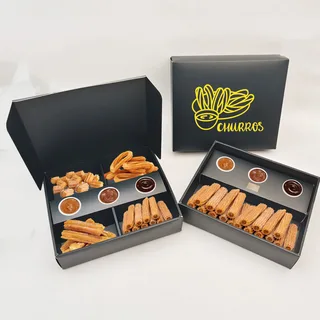
Direct-to-consumer brands in the US face growing demand, tighter margins, and a need to stand out at every touchpoint. Packaging isn’t just a box; it’s a first impression, a brand promise, and a practical tool for protecting orders. When you get packaging right, you reduce returns, boost repeat purchases, and earn smiles from customers who share unboxing moments with friends.
Many founders juggle product design, marketing, and logistics. Getting packaging aligned with brand values can feel overwhelming. The good news is you can start small, learn fast, and scale thoughtfully. This guide maps out practical steps to shape packaging that grows your DTC business in the US.
Section 1: Defining Packaging Goals for DTC Growth
Aligning packaging with brand positioning helps buyers connect a product with its story the moment it lands on their doorstep. A clear goal makes material choices easier and keeps packaging costs predictable. Start with a simple statement of what your box should say about your brand—bold, premium, playful, or eco-minded?
Balancing protection, cost, and presentation keeps dollars in check without harming the experience. Think through drop tests, fill materials, and how your packaging travels from warehouse to porch. Small changes—like using a snug fit or a lightweight shipper—can save money over time while protecting your reputation.
Environmental and regulatory considerations in the US matter to buyers and to compliance teams. Recycling logos, ink types, and labeling standards all affect how you design and print. Build these checks into your production plan so you avoid last-minute scrambles.
Section 2: Core Packaging Concepts That Drive Growth
Starter packaging helps new products test the waters without spending a fortune. A simple, attractive inner tray or minimal outer box can cut CAC by delivering a solid first impression while keeping costs low. Clever inserts that tell your story or suggest next purchases drive early engagement.
Modular packaging supports product line expansion. A base box that fits multiple SKUs, with interchangeable inserts, reduces complexity as you grow. The goal is speed—get new variants out without redesigning every carton.
Returnable and reusable packaging options appeal to eco-conscious buyers and can cut long-term waste. Consider jars, pouches, or shells that customers reuse for storage. It’s a small difference with a big environmental and brand payoff.
Section 3: Cost Optimization Without Compromising Experience
Packaging formats that optimize shipping density pack more products per shipment, lowering freight costs. A well-chosen carton size reduces dimensional weight charges and protects fragile items in transit. You’ll see savings at scale as orders rise.
Material choices balance cost and sustainability. A mix of recycled content and sturdy inks often hits both budget and ESG goals. Avoid over-engineering; lighter, practical packaging can still feel premium with the right finishing touches.
Vendor selection and print-on-demand versus stock options matter. Print-on-demand can reduce inventory risk for new launches, while stock options may lower unit costs once volumes rise. Compare lead times, minimums, and die-cut options to find what suits your rhythms.
Section 4: Branding and Personalization on the Box
Designing memorable unboxing experiences starts with a strong exterior that hints at what’s inside. Color, texture, and typography should feel unmistakably yours. A tactile label, embossed logo, or colored interior can spark delight without adding complexity.
Customization strategies at scale involve variable printing or insert customization. Personal touches—like a handwritten note or a QR code that links to a welcome video—create a sense of care. Plan for a scalable path so personalization doesn’t bog down operations.
Inserts that boost repeat purchases and referrals can push revenue without extra marketing spend. A thank-you card with a discount, a care guide, or a cross-sell flyer nudges customers toward repeat orders and sharing with friends.
Section 5: Sustainability as a Growth Lever
US regulations and consumer expectations shape how you package. Clear labeling, recyclable materials, and minimal waste are signals buyers notice. Make these choices part of your brand story, not afterthoughts.
Lightweighting and recyclable materials reduce transport emissions and waste. A lighter carton or paper-based alternatives can save money while pleasing eco-minded shoppers. Keep sustainability aligned with performance; boxes must still protect the product.
Messaging that resonates with eco-conscious buyers should be honest and specific. Highlight recycled content, compostable inks, or circularity programs in clear terms so customers feel informed and confident in their choice.
Section 6: Logistics, Fulfillment, and Channel Considerations
Fulfillment strategies for DTC brands hinge on packaging that travels well and stacks neatly. A consistent carton size across SKUs simplifies warehouse handling and reduces packing errors. Include clear handling instructions where needed to minimize damage.
Packaging design for returns and exchanges speeds up reverse logistics. Use durable yet economical packaging for returns and pre-printed labels to ease processing. A smooth returns flow keeps customers satisfied and protects margins.
Multi-channel implications for packaging design mean you tailor for marketplaces, own site, and pop-ups. Ensure branding remains consistent across channels while allowing channel-specific requirements like barcodes or inner packaging variations.
Section 7: Compliance and Risk Management
Labeling, allergen, and ingredient disclosures must be accurate and easy to read. Use clear typography and compliant language to prevent miscommunications. Build a simple review routine to catch changes before print runs are made.
Local and federal packaging standards shape your choices. Stay aware of packaging safety requirements and certification needs for materials that touch skin or food items. Plan for ongoing audits as you scale.
Safety considerations for fragile goods demand protective packaging and clear handling warnings. Invest in reliable cushioning and shock protection so breakage stays low and customer satisfaction stays high.
Section 8: Data-Driven Packaging Decisions
Metrics to track packaging impact on sales should include unboxing sentiment, damage rate, and repeat purchase lift. Tie these to order value and CAC to see true effects on growth. Simple dashboards help you spot trends quickly.
A/B testing packaging variants can reveal what resonates. Test different carton sizes, inserts, and finishes to find the winning combination. Use small, incremental tests to learn fast without risking large inventories.
Feedback loops from customers and couriers provide real-world insights. Collect courier notes on packaging condition and customer comments on first impressions. Use this feedback to refine future designs.
Section 9: Case Studies
Small to mid-size DTC brands succeeding with smart packaging show a common thread: a tight loop between product, packaging, and marketing. They tested cost-efficient formats, then added personal touches that didn’t slow operations. Their boxes told a story and invited second purchases.
Lessons from large brands that scaled packaging-forward reveal the value of standardization paired with occasional customization. A consistent system speeds production and keeps costs in check while allowing limited release packaging for special editions or holidays.
Section 10: Implementation Roadmap
Short-term wins for the next 90 days include auditing current packaging, identifying quick cost savers, and piloting a starter box with a small product line. Track unboxing feedback and damage rates to guide next steps.
Mid-term initiatives for 3–6 months focus on modular packaging to support growth across SKUs and a plan for sustainable materials. Set up vendor criteria and a testing calendar to iterate quickly.
Long-term strategy for 12 months and beyond centers on a packaging playbook. A documented process covers design standards, supplier partnerships, compliance, and ongoing optimization based on data and customer input.
Appendix
Resource checklist for materials, suppliers, and compliance offers concrete steps to keep your packaging program moving. Include contact details, lead times, and sample approvals to avoid bottlenecks.
Quick-start template for a packaging playbook helps teams align quickly. It lays out goals, standards, testing plans, and a rollout schedule that scales with your brand.
FAQs
Why is packaging important for DTC growth?
Packaging shapes first impressions, protects products, and influences repeat purchases. A thoughtful package can reduce returns and encourage social sharing of unboxing moments.
How can I start with a low budget but big impact?
Begin with a simple starter box tied to your brand story. Add small, meaningful inserts and use modular options to allow future growth without redesigning all packaging.
What materials work best for balancing cost and sustainability?
Recycled content, sturdy corrugates, and responsibly sourced inks are a good mix. Lightweight options save shipping costs while maintaining protection and feel.
How do I measure packaging impact?
Track damage rates, unboxing sentiment, and repeat purchase lift. Tie these metrics to order value and CAC to see the true effect on growth.
What about customization at scale?
Use variable printing or modular inserts to personalize without slowing operations. Start small with personalization signals and scale as you learn what resonates.